
New Research: Dirty water from industries will be cleaned with earthworms, plants and hydroponics.

Scientists at Central University have developed a very interesting and eco-friendly technology to clean industrial waste water. The special thing is that earthworms, aquatic plants, microorganisms and the technology of soilless plants i.e. hydroponics have been combined together in this system.
Scientists of NIT Rourkela have developed this technology to clean the dirty water of dairy industry. Actually, the water coming out of factories making cheese, curd and cheese is quite polluted. It contains very high amounts of fat, protein and carbohydrates. When this water reaches rivers or ponds directly, the oxygen in the water reduces and poses a threat to aquatic organisms.
In many traditional technologies used till now, filters get clogged quickly. To solve this problem, Professor of NIT Rourkela, Prof. Kakoli Karar Paul and researcher Dr. Pragyan Das have prepared a multi-level biological system. The special thing is that this technology has also received a patent.
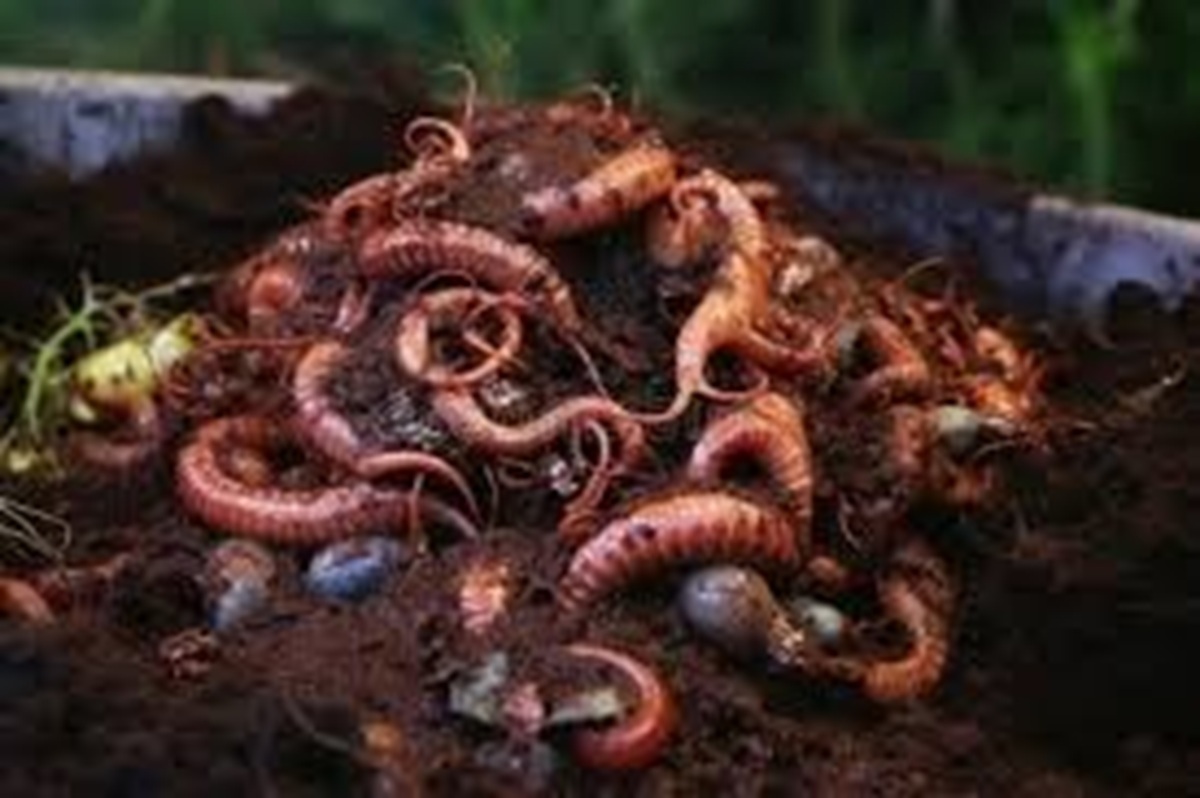
Through this system, firstly the dirty water goes into a reactor where earthworms and aquatic plants are present. Earthworms break down large organic waste into smaller pieces, which makes it easier for microorganisms to break them down. The roots of the plants prevent the filter from getting clogged. The water then passes through a layer of sand, which filters out the solid dirt present in it.
In the third stage, pellets made of fly ash absorb phosphorus and other pollutants present in the water. The water then passes through a layer of pebbles, where beneficial microorganisms clean up any remaining dirt.
The last step of this process is the most special. Here the water reaches the hydroponic chamber, where the roots of the plants live directly in the water. These roots release oxygen into the water, allowing good bacteria to grow rapidly and further reduce pollution. According to the researchers, this entire system has been prepared at the laboratory level at a cost of approximately Rs 10,000.
It can treat about 30 liters of dairy waste water per day. It can also be developed on a larger scale as per the need. The best part is that the treated water can be used in agriculture, because useful nutrients like phosphates are present in it.
The aquatic plants used in this process can also be used to make animal feed, biogas and biodiesel. This means that this technology not only cleans dirty water, but can also prove to be a big step towards creating ‘resources from waste’.
Also read:
Heat havoc across the country; All India’s among the world’s 50 hottest cities
2.25 kg cocaine worth Rs 11.25 crore seized at Mumbai airport, four foreign nationals arrested
Mumbai: Bandra Pond revival campaign started for the first time in history; Aquatic life has ended due to pollution

Comments are closed.