
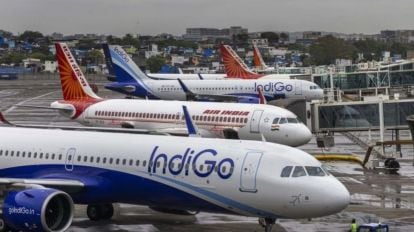
Government Steps In to Regulate Soaring Airfares as IndiGo Cancellations Disrupt Travel Nationwide

The central government on Saturday invoked its regulatory powers to curb surging airfares amid widespread disruptions caused by IndiGo’s ongoing operational crisis. The move follows rising concerns that some airlines were charging unusually high fares on affected routes, creating financial stress for passengers.
In a press release, the ministry of civil aviation announced that it has imposed fare caps to ensure fair and reasonable pricing until flight operations stabilise. The directive, issued to all airlines, mandates strict adherence to the prescribed limits and warns that any deviation will invite immediate corrective action in the public interest.
“The objective is to maintain pricing discipline, prevent exploitation of passengers in distress, and ensure that citizens — including senior citizens, students, and patients — are not subjected to financial hardship during this period,” the ministry stated.
Officials added that fare levels will be monitored closely through real-time data and ongoing coordination with airlines and online travel platforms. The government has emphasised that it will take swift action if airlines fail to comply.
IndiGo’s Widespread Disruptions
IndiGo continues to face what it has described as an “operational crisis,” resulting in more than 1,000 cancellations on Friday alone. While the situation showed slight improvement on Saturday, the disruption remained significant, with over 440 flights cancelled nationwide.
Major airports, including Delhi’s Indira Gandhi International Airport, Mumbai’s Chhatrapati Shivaji Maharaj International Airport, and Bengaluru’s Kempegowda International Airport, reported some of the highest levels of impact. Long queues, delays stretching for hours, and limited communication have left travellers frustrated across metropolitan hubs.
As of December 6, 2025, more than 440 IndiGo flights were cancelled across multiple cities, marking one of the most severe operational breakdowns in recent years.

Comments are closed.