
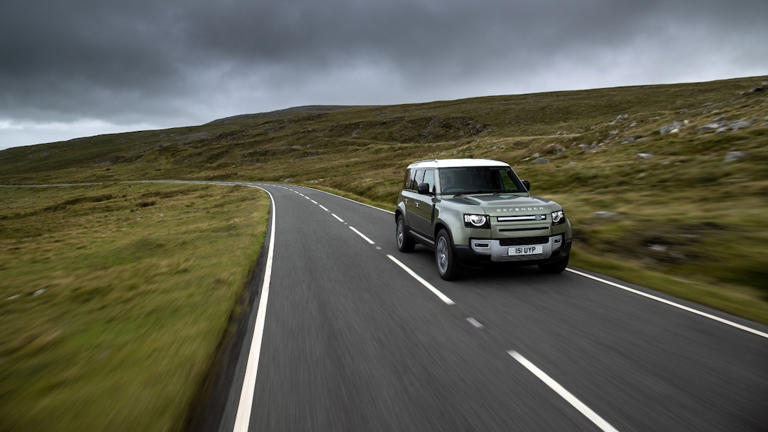

The automotive industry just witnessed the most interesting blind date of the decade. Stellantis, the sprawling 14-brand empire, and Jaguar Land Rover (JLR), the crown jewel of British luxury that is currently feeling a bit dusty, have officially signed a memorandum of understanding (MOU). This isn’t just a casual handshake; it’s a calculated move to stop the bleeding and find some common ground in the cutthroat United States market.
A Marriage of Absolute Necessity
Let’s call it what it is: a survival play. For JLR, the situation in the U.S. has reached a point of “now or never.” The Jaguar side of the house is essentially a ghost, with no vehicles currently hitting American showroom floors as it prepares for a total brand reboot. Land Rover keeps the lights on, but the brand needs more than just heritage to compete with the localized efficiency of German and American rivals.
Stellantis isn’t exactly cruising on easy street either. While they have the footprint, several of their brands are essentially rounding errors in the annual sales charts. When you have 14 brands and some struggle to move even 1,000 units a year, you start looking for friends in high places—or at least friends with a shared interest in survival.
Trading Tech for a Pulse
The collaboration focuses on product and technology development. In human terms, that means sharing the astronomical costs of building modern cars. Stellantis CEO Antonio Filosa talked about “synergies,” but what he really means is that reinventing the wheel is too expensive to do alone. By pooling resources, they can actually afford to build the high-tech, electrified platforms that the American market is starting to demand—even if the adoption curve is currently looking a bit jagged.
JLR’s CEO, PB Balaji, is betting on “complementary capabilities.” This is code for: Stellantis has the American infrastructure, and JLR has the luxury DNA. If they can mix those two without diluting the brands, they might actually have a fighting chance at staying relevant in a market that forgets losers very quickly.
The Great Tariff Escape
The most interesting part of this deal isn’t what’s on the dashboard; it’s where the dashboard is put together. JLR has long been hampered by the logistical nightmare and cost of importing vehicles into the States. This partnership whispers about the possibility of JLR accessing Stellantis’s North American manufacturing plants.
If JLR can start rolling cars off a line in the U.S., they instantly dodge the heavy import tariffs that have been eating their margins alive. For Stellantis, filling those factories with more high-value production is an easy win for their bottom line. It’s a classic “scratch my back, and I’ll build your car” arrangement.
The Verdict: Genius or Desperation?
Before anyone gets too excited, remember this is a “non-binding MOU.” It’s an early-stage feasibility study. In the corporate world, this is the equivalent of “let’s grab coffee and see if we actually like each other.” Both companies are keeping their cards close to their chests, refusing to name specific brands or manufacturing sites yet.
However, the intent is clear. The era of the lone-wolf automaker is dying. If you want to conquer America, you need a partner who knows the terrain and a factory that doesn’t require a trans-Atlantic shipping container. This Stellantis JLR US partnership might be the spark Jaguar needs to come back from the dead and the boost Stellantis needs to finally justify its massive brand portfolio.

Comments are closed.