

84
Law and order, drugs and unemployment emerge as key electoral concerns in Punjab.
Punjab’s ruling Aam Aadmi Party (AAP) is gearing up for the next Assembly election facing growing political and governance challenges, as opposition parties intensify attacks on the Bhagwant Mann-led government over law and order, unemployment, drugs and farmer issues. While AAP leaders continue to express confidence about returning to power with a stronger mandate, political observers say the party no longer enjoys the overwhelming wave of support that swept it to victory in 2022. Instead, the upcoming election is expected to test whether voters still believe the party can deliver the “badlav” or change it had promised.
One of the biggest challenges before the Mann government is the perception surrounding law and order in the state. Opposition parties have repeatedly targeted the government over incidents linked to gang violence, extortion and organised crime. Congress and BJP leaders have accused the government of failing to control criminal networks despite promising strict action after coming to power.
“People expected Punjab to become safer after 2022, but many still feel insecure,” said Rajinder Kumar, a businessman from Jalandhar. “The government has taken action in some cases, but the overall perception has not improved much.”
The issue of drugs continues to remain politically sensitive in Punjab. AAP had made anti-drug action one of its major election promises. Although the government claims to have increased crackdowns and arrests, critics argue that addiction remains widespread in many districts.
“Every political party talks about ending drugs, but people judge governments by what they see in villages and neighbourhoods,” said social activist Harpreet Kaur. “Families still feel this problem is far from over.”
Unemployment and migration are also emerging as major concerns among young voters. Thousands of Punjabi students continue to move abroad every year in search of better opportunities, especially to Canada, Australia and the United Kingdom. Opposition parties have accused the government of failing to create enough private-sector jobs or attract major investment into the state.
“There are degrees, but there are not enough opportunities,” said college student Manveer Singh in Mohali. “Most young people still think their future is outside Punjab.”
Farmer dissatisfaction could further complicate AAP’s electoral prospects. Punjab’s politics remains deeply connected to agriculture, and several farmer groups have criticised the government over handling of protests and agricultural demands. While BJP still faces anger over the now-repealed farm laws, Congress is attempting to regain support among rural voters by focusing on agrarian distress.
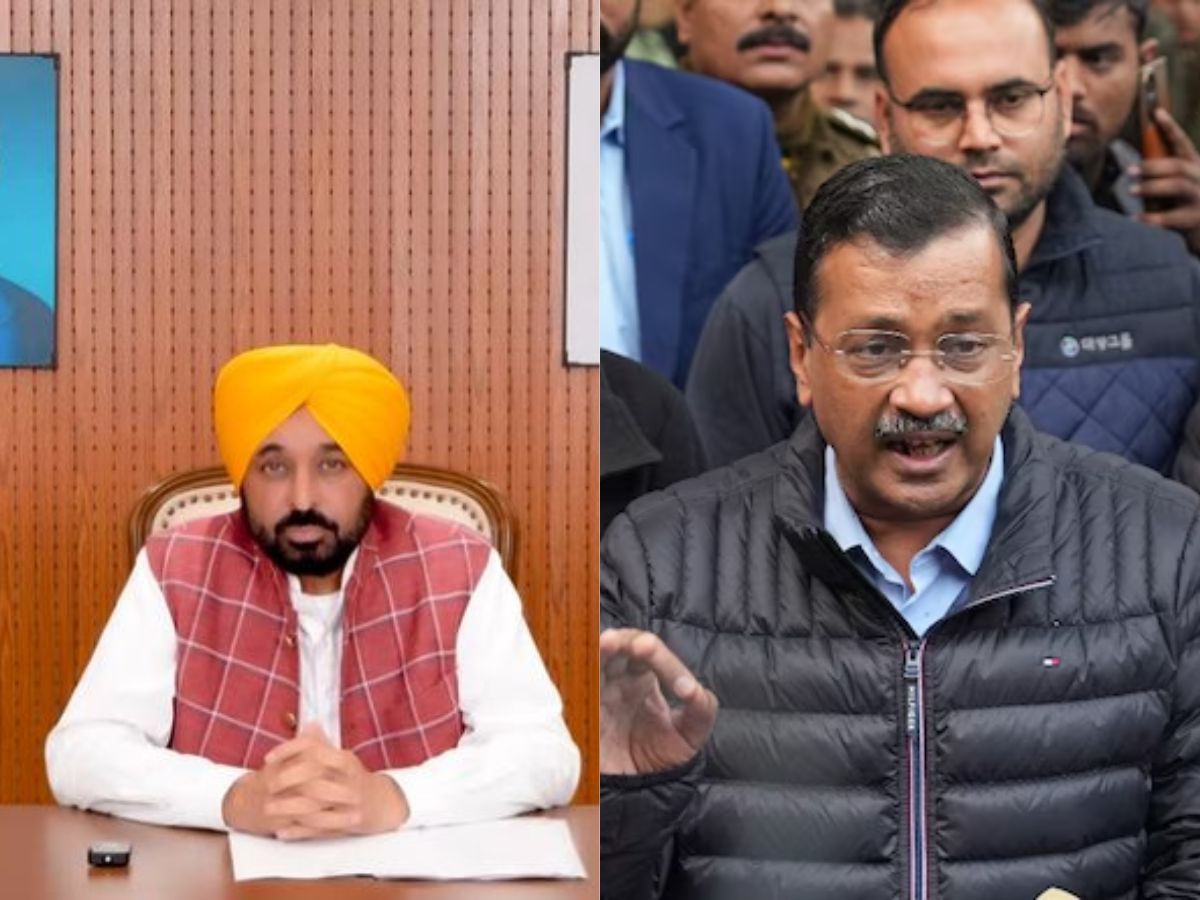
AAP is also battling the opposition narrative that Punjab is being controlled by the party’s Delhi leadership rather than local leaders. Rival parties have repeatedly accused AAP of “remote-controlling” Punjab through national convener Arvind Kejriwal, a charge the party has denied.
Despite these challenges, AAP continues to retain key advantages. Chief Minister Bhagwant Mann remains personally popular among many voters, particularly in rural areas. Welfare measures such as free electricity and social assistance schemes have also helped the party maintain support among lower-income households.
Importantly, Punjab’s opposition remains fragmented. Congress continues to face internal factionalism, while the Shiromani Akali Dal is still struggling to recover from years of declining support. Political analysts say this division could work in AAP’s favour.
“AAP’s biggest strength is that many voters are unhappy, but they are also uncertain about the alternatives,” said a Chandigarh-based political analyst wishing not to be named. “The election may ultimately depend on whether anti-incumbency becomes stronger than voter distrust of the opposition.”
As Punjab moves closer to another high-stakes electoral contest, AAP faces the challenge of convincing voters that it can still deliver the promises that once fuelled its historic rise in the state.

Comments are closed.