
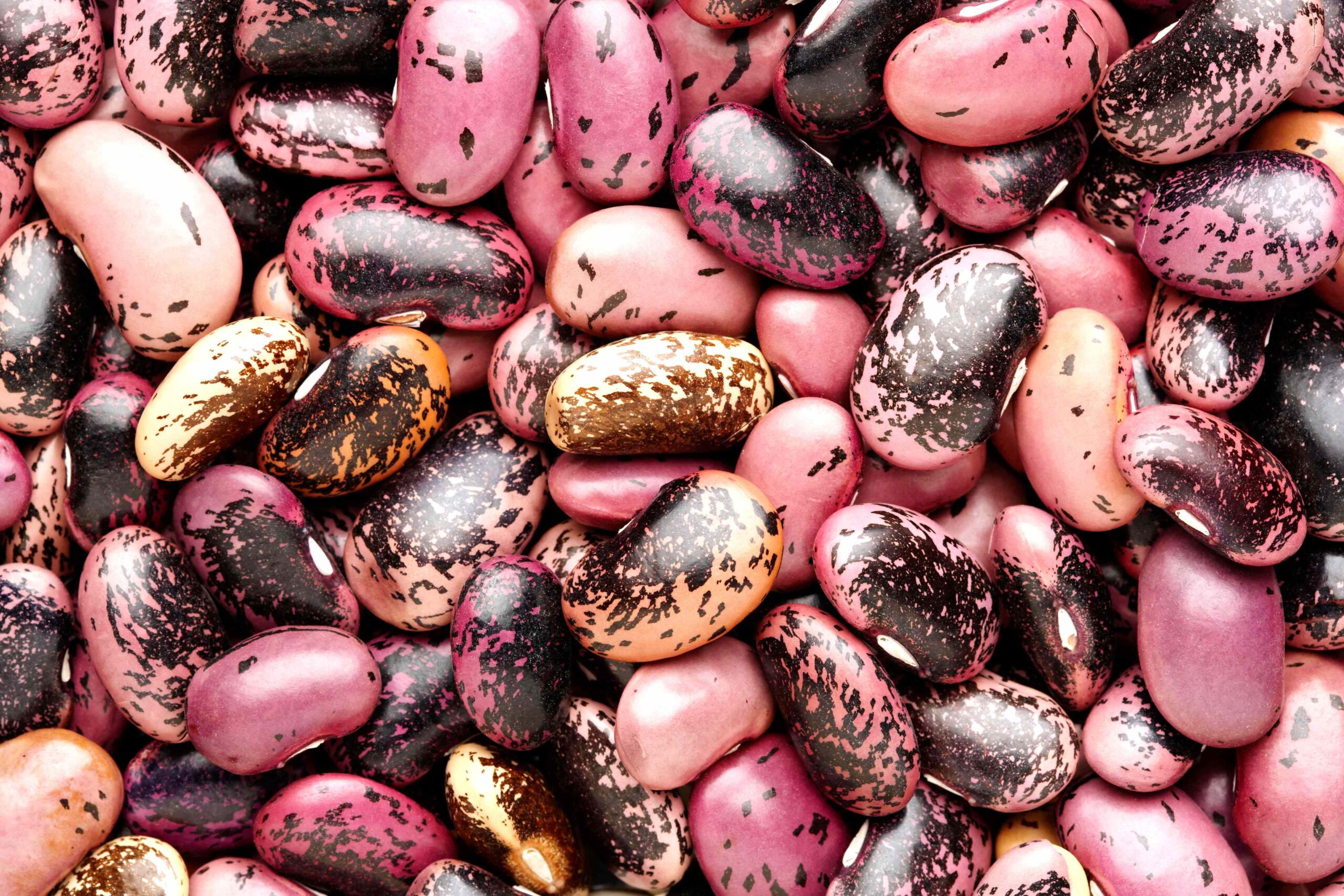

When most people think of beans, staples like black beans, kidney beans, and chickpeas usually come to mind. But chefs around the world are increasingly turning to lesser-known bean varieties that offer unique flavors, textures, and culinary possibilities. From creamy French beans perfect for cassoulet to drought-resistant desert legumes, these underappreciated beans deserve a spot in your pantry.
Here are nine lesser-known bean varieties that chefs say are worth discovering.
1. Tepary Beans
Native to the deserts of the American Southwest and Mexico, tepary beans are known for their rich, nutty flavor and impressive drought tolerance.
Why Chefs Love Them:
- Dense, creamy texture
- Earthy flavor
- Excellent in soups and stews
- High in protein and fiber
Tepary beans hold their shape well and work beautifully in Southwestern dishes.
2. Tarbais Beans
Grown in southwestern France, Tarbais beans are a key ingredient in the classic French dish cassoulet.
Why Chefs Love Them:
- Thin skin
- Creamy interior
- Absorb flavors exceptionally well
- Luxurious texture
Their delicate texture makes them one of Europe’s most prized beans.
3. Cranberry Beans
Also known as borlotti beans, these beautiful speckled beans are popular throughout Italy.
Best Uses:
- Pasta e fagioli
- Salads
- Rustic soups
- Braised dishes
They offer a slightly sweet, chestnut-like flavor.
4. Flageolet Beans
Often referred to as the “caviar of beans,” flageolets are small pale-green beans commonly used in French cuisine.
Flavor Profile:
- Delicate
- Mildly grassy
- Buttery
They pair especially well with roasted meats and fresh herbs.
5. Ayocote Beans
A staple in Mexican cooking, ayocote beans are large, colorful beans with a rich flavor.
Why They’re Special:
- Large size
- Meaty texture
- Excellent in slow-cooked dishes
- Available in several striking colors
They make a satisfying substitute for meat in many recipes.
6. Good Mother Stallard Beans
This heirloom American bean has gained popularity among chefs seeking heritage ingredients.
Characteristics:
- Rich, creamy texture
- Deep bean flavor
- Beautiful maroon-and-white markings
They’re ideal for baked beans and hearty soups.
7. Scarlet Runner Beans
Originally grown as an ornamental plant, scarlet runner beans are equally impressive on the plate.
Highlights:
- Large size
- Firm texture
- Slightly nutty flavor
They work particularly well in salads and Mediterranean-inspired dishes.
8. Black Turtle Beans
While related to common black beans, heirloom black turtle beans often have a richer flavor and creamier consistency.
Perfect For:
- Latin American dishes
- Soups
- Rice bowls
- Vegetarian meals
Many chefs appreciate their versatility and depth of flavor.
9. Christmas Lima Beans
Despite their festive name, these large heirloom beans are enjoyed year-round.
What Makes Them Unique:
- Chestnut-like flavor
- Creamy texture
- Attractive maroon markings
They are excellent in soups, casseroles, and vegetable-forward meals.
Why Chefs Are Rediscovering Heritage Beans
Many chefs are embracing lesser-known beans because they offer:
- Unique flavors and textures
- Greater culinary diversity
- Sustainable agricultural benefits
- High nutritional value
- Connections to regional food traditions
These beans often bring more character and complexity to dishes than conventional supermarket varieties.
Final Thoughts
From the buttery elegance of French Tarbais beans to the rugged resilience of tepary beans, these lesser-known varieties prove that the world of beans extends far beyond the basics. Whether you’re making a hearty cassoulet, a rustic stew, or a simple side dish, experimenting with heritage and specialty beans can add new flavors, textures, and culinary inspiration to your cooking.
The next time you’re stocking your pantry, consider reaching beyond the familiar and giving one of these chef-approved beans a try.
Comments are closed.