
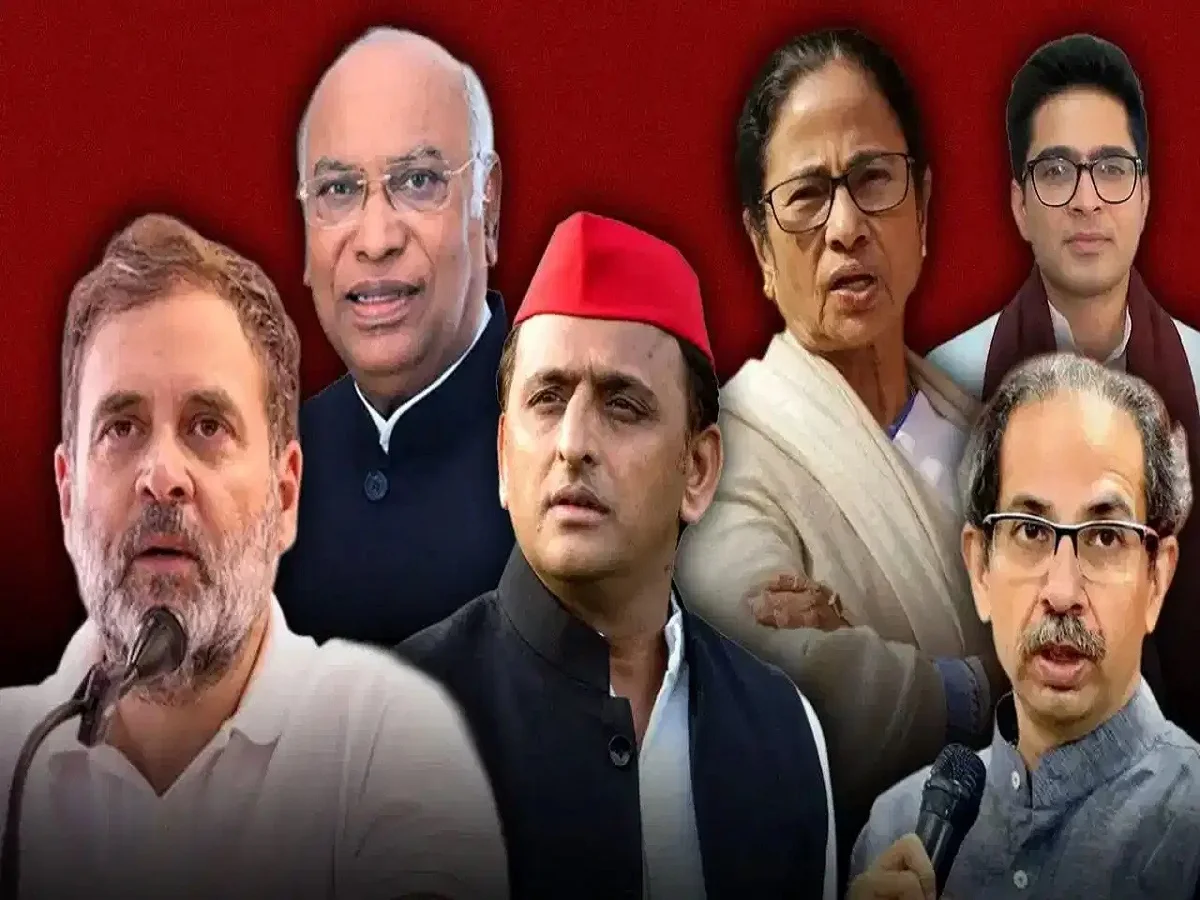
Politics News- 23 parties participated in the meeting of India Alliance to topple Modi government, election atmosphere will be like this

Friends, as we told you that on June 8, the meeting of INDIA alliance was held at the Constitution Club in New Delhi, in which the current political situation of the country, strengthening the unity of the opposition and making a joint strategy for the 2029 Lok Sabha elections were discussed. A total of 23 parties participated in this meeting aimed at presenting a united front against the BJP-led central government.
23 political parties
According to Congress leaders, representatives of 23 political parties attended the meeting. Prominent leaders who attended the meeting include:
Congress President Mallikarjun Kharge
Leader of Opposition in Lok Sabha Rahul Gandhi
Samajwadi Party chief Akhilesh Yadav
Trinamool Congress leader Mamata Banerjee
RJD leader Tejashwi Yadav
Shiv Sena (UBT) representative Sanjay Raut
NCP (Sharad Pawar faction) leader Supriya Sule
There was talk of this meeting becoming a platform to discuss common political issues and increase coordination between opposition parties.
DMK did not attend the meeting
Despite being part of the INDIA alliance, Dravida Munnetra Kazhagam (DMK) did not attend the meeting. Sources say that the party has decided to stay away from this particular meeting, although no detailed reason has been given officially.
Jairam Ramesh gave information about the meeting
Congress general secretary and Rajya Sabha MP Jairam Ramesh confirmed that 23 parties had attended the meeting. He said some of the alliance partners could not attend due to their circumstances, but they were expressing their concerns about the policies and functioning of the central government.
Opposition expressed concern over government policies
Ahead of the meeting, Jairam Ramesh criticized the central government, alleging that many of its policies have adversely affected democratic institutions and public welfare.
Key issues likely to be discussed include:
Concerns about the security of voting rights.
Perceived challenges before constitutional institutions.
Allegations of misuse of investigative agencies against opposition leaders.
Rising inflation and its impact on the domestic budget.
Unemployment and limited opportunities for youth.
Economic challenges affecting business and investment.
Concerns about the government’s foreign policy approach. According to opposition leaders, these issues have deeply impacted the livelihoods of millions of citizens and require a collective political response.

Comments are closed.