
Sacrifices, silence, and a shot at glory: Everything we learnt from the Women’s T20 World Cup Captains’ Day

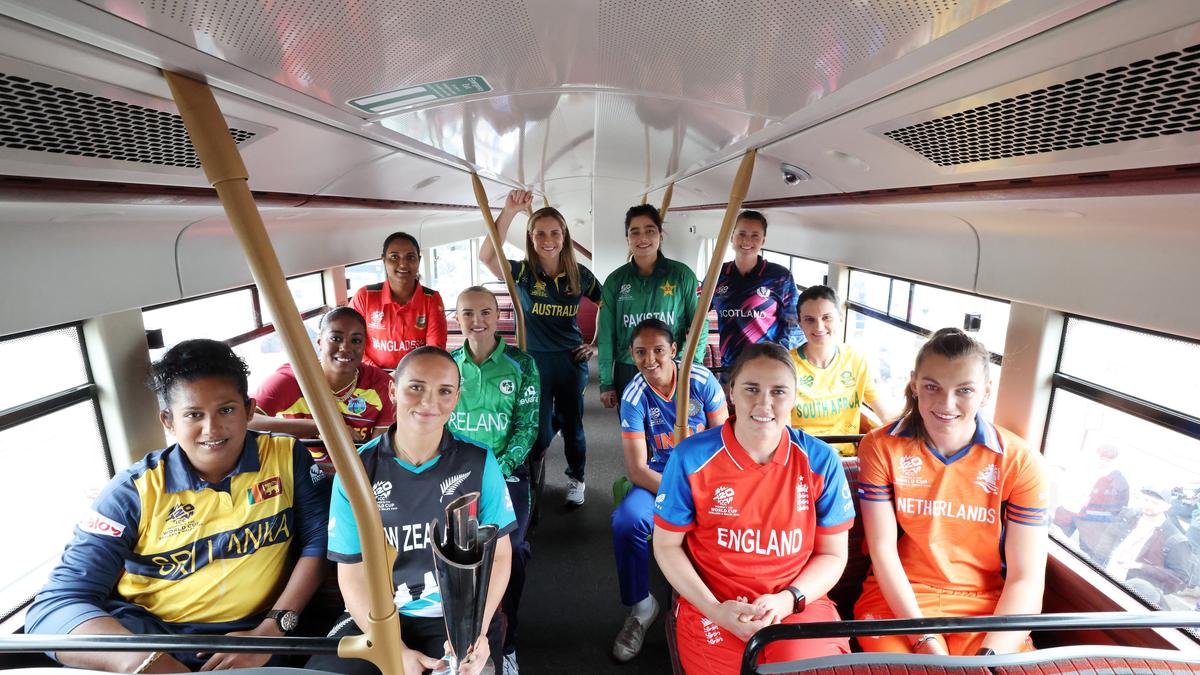
Under the baking Dubai sun two years ago, the captains of all 10 participating nations in the Women’s T20 World Cup came together for an iconic photograph at the centre of the Dubai International Stadium. There were peregrine falcons, camels, and ambitions that could potentially fill every seat in that venue.
Contracts, equal pay, franchise opportunities, administrative support, and more game time between Associate nations and Full Members were all discussed. An event designed to capitalise on the commercial advantages of the shortest format also had captains vouching for Test cricket somewhere in the middle.
Two years on, as a similar exercise unfolded in London, it served as a sobering reminder of how much things have grown and yet how much has stayed the same.
In 2024, Scotland was the story of the World Cup: players balancing their careers on part-time contracts, persistent issues with access to high-performance facilities, and challenges in talent identification to keep the pipeline flowing. Thereafter, Cricket Scotland announced full-time contracts and rolled out a Women and Girls Action Plan in 2025. But the new kid on the T20 World Cup block, the Netherlands, arrives at its maiden women’s T20 showpiece as the only side without contracts of any kind.
In fact, qualifying for this stage opened doors the Dutch team did not know existed.
“To compete and to have this exposure is massive for us, not just as a team and as players, but also for the whole Dutch cricket community back home. I think it’s a massive opportunity,” a seemingly nervous Netherlands skipper, Babette de Leede, told the gathered press at Savoy Place in the English capital.
“We’ve never had so many support staff with us, and also everyone that’s been supporting us, especially coming in as the underdog… People would love to see some upsets, and I’m sure we will do our best to cause them.”
That journey has demanded some tough sacrifices.
“One of our teammates – Caroline de Lange, our leg-spinner – had to quit her job. She is a doctor. All of us have to study or work alongside being a cricket player. I have a lot of respect for everyone who sacrificed so much of their time, especially since the qualifier to train full-time and work, or study full-time and play. I think that (Caroline’s) was the biggest sacrifice,” de Leede added.
Australia seeks redemption. India faces succession questions. The Netherlands dreams of upsetting the order. Behind the smiles, every captain arrives with a different burden and the same destination.
| Photo Credit:
Getty Images

Australia seeks redemption. India faces succession questions. The Netherlands dreams of upsetting the order. Behind the smiles, every captain arrives with a different burden and the same destination.
| Photo Credit:
Getty Images
A shot at redemption
Watching the telling of the Dutch tale from the other end of the stage, almost symbolic of the contrasting positions these two nations occupy in the global cricketing order, was Australian skipper Sophie Molineux.
For a nation that has cemented its place as one of the most formidable sides in the world, Australia’s semifinal exits at the 2024 T20 and 2025 ODI World Cups triggered a rare bout of introspection. The system appeared sound, but something was not clicking. Meg Lanning’s departure threw the gauntlet down to a new generation of leaders, who have learned the hard way that the Australian captaincy can be a poisoned chalice.
“A big part of it is just looking forward rather than looking back,” Molineux conceded.
“We’ve been really successful over the last decade, but we’ve probably got more learnings out of the last two World Cups than we had from the seven or eight before that. Hopefully, we’re setting a bit of a platform for this World Cup and for a long time afterwards,” she added.
India and South Africa skippers Harmanpreet Kaur and Laura Wolvaardt could not agree more. While neither nation has enjoyed Australia’s sustained success, both have come close to tasting glory at this tournament only to fall short.
South Africa, in fact, finished second-best in the last two T20 World Cups and the 2025 ODI World Cup. The desperation to get across the line was enough to galvanise a deeply fractured national setup, with the management bringing the imperious but disillusioned veterans Dane van Niekerk and Shabnim Ismail back into the fold.
For defending champion New Zealand, the challenge now is to prove that the 2024 triumph was not a flash in the pan. The White Ferns benefited from finding their rhythm when their competitors lost theirs. For new full-time skipper Amelia Kerr, there is the added emotional charge of watching three stalwarts of New Zealand cricket, Sophie Devine, Suzie Bates and Lea Tahuhu, walk away into the sunset together.
“The most special thing for that group was getting the win for Sophie, Suzie, and Lea – three players who paved the way for us. To have played when they weren’t getting paid, to the setup becoming semi-professional, and now being fully professional… it did so much for a nation like ours, a small country with a small population where we’re constantly punching above our weight…. They probably will be in New Zealand’s best-ever eleven. Three huge personalities and great people to have around our group, so we’ll want to make this last World Cup special for them. Winning in 2024 helps us believe we can do it, and it is big for faith when we are put under pressure on the biggest stage,” Kerr said.
At the other end sits Ireland. Back in the World Cup fold after missing out in 2024, skipper Gaby Lewis sounds relieved more than anything else.
“So good to be back. I think it makes you cherish the experience a lot more. There was huge devastation after that. But it made it even more special qualifying in Nepal. And there’s massive excitement around the group.”
Lewis leads a side featuring several experienced campaigners who have felt the sting of the ‘easy target’ perception. Pride and a maiden World Cup win sit high on the Irish priority list.
“(One goal is) To win a match at a T20 World Cup,” Lewis declared without hesitation.
“We’ll take it one match at a time. That first game against Scotland and getting a first victory at this tournament would be amazing. After that, you never know what a bit of momentum does,” she added.
Reading between the lines
Pakistan skipper Fatima Sana Khan was asked whether there was support from the men’s side of the board or the wider administrative setup for the women’s team.
“Some of the boys are supportive, some are not,” Fatima began in response. There was a coy smile on the faces of the other five captains seated alongside her: Molineux, Harmanpreet, Wolvaardt, Nigar Sultana and de Leede.
“It depends entirely on them,” Fatima continued awkwardly, with several shoulder shrugs underlining her point. The ICC media liaison even prompted the panel: “Would anyone else like to answer that question?” Crickets. Harmanpreet burst out laughing, while Fatima turned to Nigar and shrugged helplessly again.
That silence potentially said more than any words could.
A few minutes later, a reporter posed another question to Harmanpreet on whether this would be her last World Cup.
“No, just checking. Glad to hear it’s not your last World Cup,” they added.
Harmanpreet cheekily shut it down. The internet slammed the question and cheered her response, but lost in that entire conversation was the elephant in the room: India’s succession plan. Who comes after Harmanpreet is no longer the question. Nor is it life after Harmanpreet, as the batter still has plenty to offer this Indian side. The real question is whether that contribution should continue in a leadership capacity, or whether it is time to blood someone new, much like Harman herself was during the reign of another legend.
Sri Lanka’s Chamari Athapaththu and Bangladesh’s Nigar face similar questions. Who comes after them, and when can the next generation make these teams their own?
Much like in 2024, there is a jigsaw of questions and potential answers laid out before the tournament, waiting to be pieced together.
Published on Jun 09, 2026

Comments are closed.