
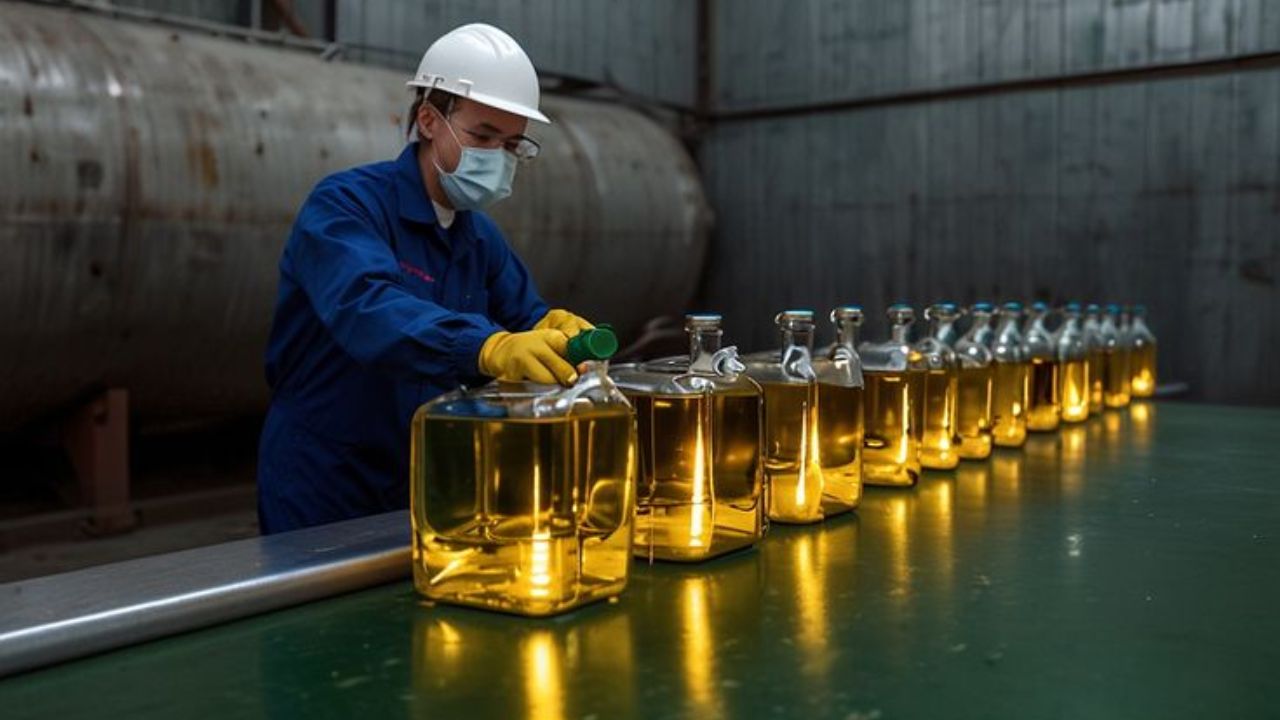
2G Ethanol: 2G Ethanol will now be made from crop residues; End fuel crisis forever, know ‘this’ new technology

- Production of ‘Black Gold’ from waste
- Food security is not a shock
- Double benefit to farmers and freedom from pollution
Benefits of second generation ethanol for farmers: Petrol and diesel prices and their increasing consumption have become a matter of great concern in India in recent times. India has to import a large part of its requirements from foreign countries, which drains the country of immense money. To overcome this problem, the central government has introduced ethanol blends (Ethanol Blending) route is selected. But now this discussion is not limited to ordinary ethanol. A new and highly advanced technology has emerged in the automotive and fuel sector, which is called 2G Ethanol or second generation ethanol. This technology will not only solve India’s fuel crisis, but has the potential to change the face of the country’s farming system and environment.
What exactly is 2G ethanol technology and why is it special?
There are mainly different types of ethanol. The ethanol that was used earlier was called first generation or ‘1G ethanol’. Ethanol is mainly produced from sugarcane juice, sugarcane, or edible grains (such as maize, damaged rice). This provides fuel, but experts fear that food shortage or food security may arise in the future.
Also Read: Four cars in one house! Is car craze the cause of traffic jams?
Scientists discovered ‘2G Ethanol’ (Second Generation Ethanol) as a solution. Its biggest feature is that this ethanol is not made from any food grains or sugarcane juice. It is produced from the waste that remains after harvesting the crops in the fields. These mainly include waste materials such as rice straw, wheat straw, bagasse, maize kernels, bamboo and even dried grass. This has made it possible to produce high quality bio-fuel without affecting the food security of the country.
Complex and modern process of making 2G ethanol
The process of making high-tech fuel that runs vehicles from simple farm waste is very interesting and based on modern technology. This process is mainly completed in the following steps:
Also Read: Is the world of automobiles getting lost in the colors of Black-White? Various colored cars are a collection of history
Not only for cars, but also for aircraft and plastics industry!
The usefulness of 2G ethanol is not limited to driving a car or bike, it has many great benefits on a global scale. Efforts are currently underway worldwide to reduce carbon emissions from the aviation sector. This 2G ethanol is being used to produce Sustainable Aviation Fuel (SAF), which will be used in future aircraft.
#EBP Programme
Key Achievements & What’s Next
⮞ Saved ₹1.84 lakh crore in foreign exchange
⮞ Substituted 302 lakh metric tonnes of #crude oil
⮞ Reduced CO₂ emissions by 909 lakh metric tonnes
⮞ Generated an additional ₹1.58 lakh crore in income for farmers➥ E85, a… pic.twitter.com/l1ZDqmxAg1
— PIB India (@PIB_India) June 5, 2026

credit – social media and Twitter
Apart from this, it is in great demand in the manufacture of various chemicals, pharmaceuticals, cosmetics and paints. Most importantly, 2G ethanol is also emerging as a key raw material for producing biodegradable bioplastics that are readily soluble in soil without harming the environment.
Farmers and Environment: India’s bumper gains on both fronts
In India, especially in North India (Punjab, Haryana, Uttar Pradesh) burning of field stubble or crop residue is a highly undesirable practice every year at the beginning of winter. This leads to severe air pollution levels in Delhi and surrounding areas, endangering the health of citizens. 2G ethanol technology could end this problem forever.
Now farmers can sell this waste to ethanol companies without burning it in the fields. This will provide additional and guaranteed income to the farmers from crop yield as well as waste. On the other hand, the use of this waste for fuel will reduce air pollution in the country and reduce carbon emissions, giving India a major boost against the global warming crisis. This technology will truly make India self-sufficient and eco-friendly.

Comments are closed.