
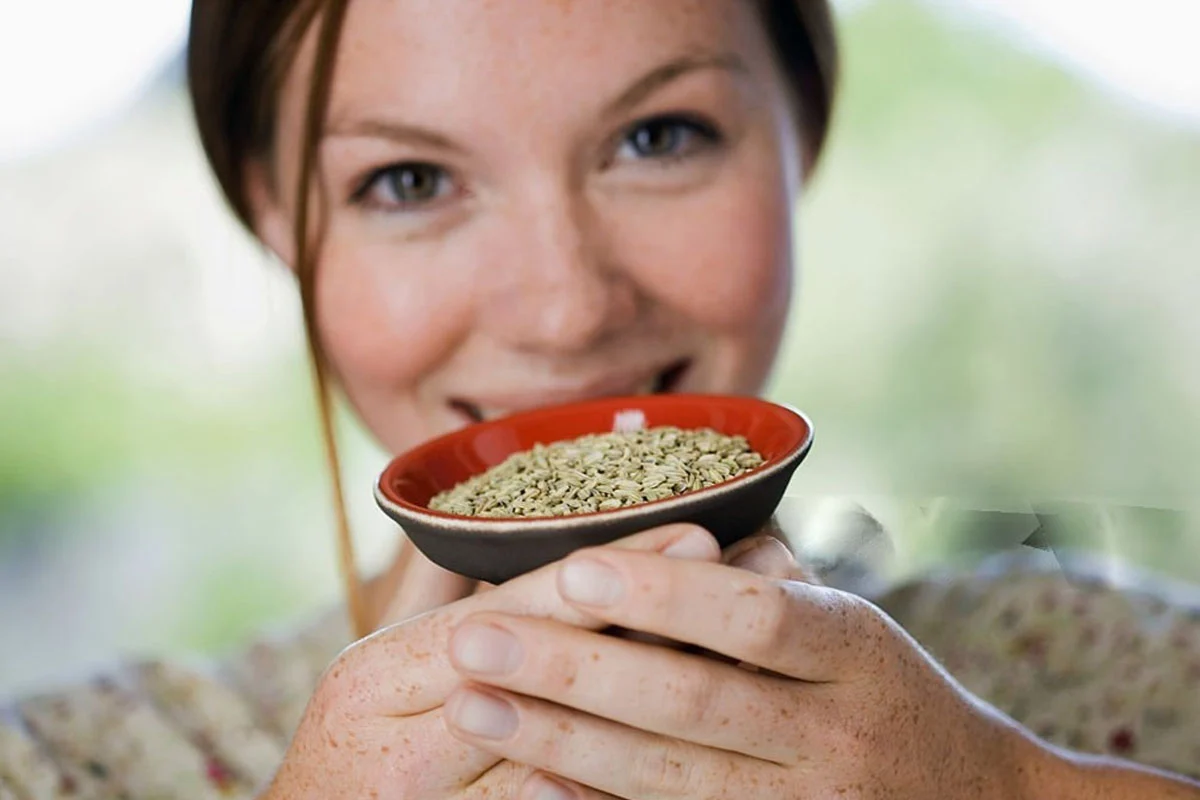

As soon as you finish eating at a Bengali rice hotel or canteen, small fennel seeds are available. Many households also have the habit of eating fennel after every heavy meal. If the taste of fennel is not in the mouth, many people do not think that the food has been eaten! Nowadays, however, in keeping with the busy life, most Bengalis have given up eating fennel at the end of the meal. Many famous restaurants also serve colored sugar granules or special candy pieces instead of fennel.
Nutritionists, however, say fennel is nothing to sneeze at. Fried fennel served at the end of the meal is aptly named ‘mukhshuddhi’.
1. Fennel helps in digestion. Heavy food like fish and meat often does not want to be digested. As a result, the stomach swells shortly after eating. The body tightens. Neglecting digestion-related problems, sleeping in that state also increases the risk of heart attack.
2. Fennel contains fiber. Contains anti-inflammatory properties like ‘Anethole’. As a result, digestion is improved, as well as eliminating the possibility of constipation. Helps in metabolism.
3. Heartburn can easily cause bad breath. Fennel removes it.
4. Fennel increases saliva secretion. Does not dry the mouth.
5. Fennel provides antioxidants to the body.
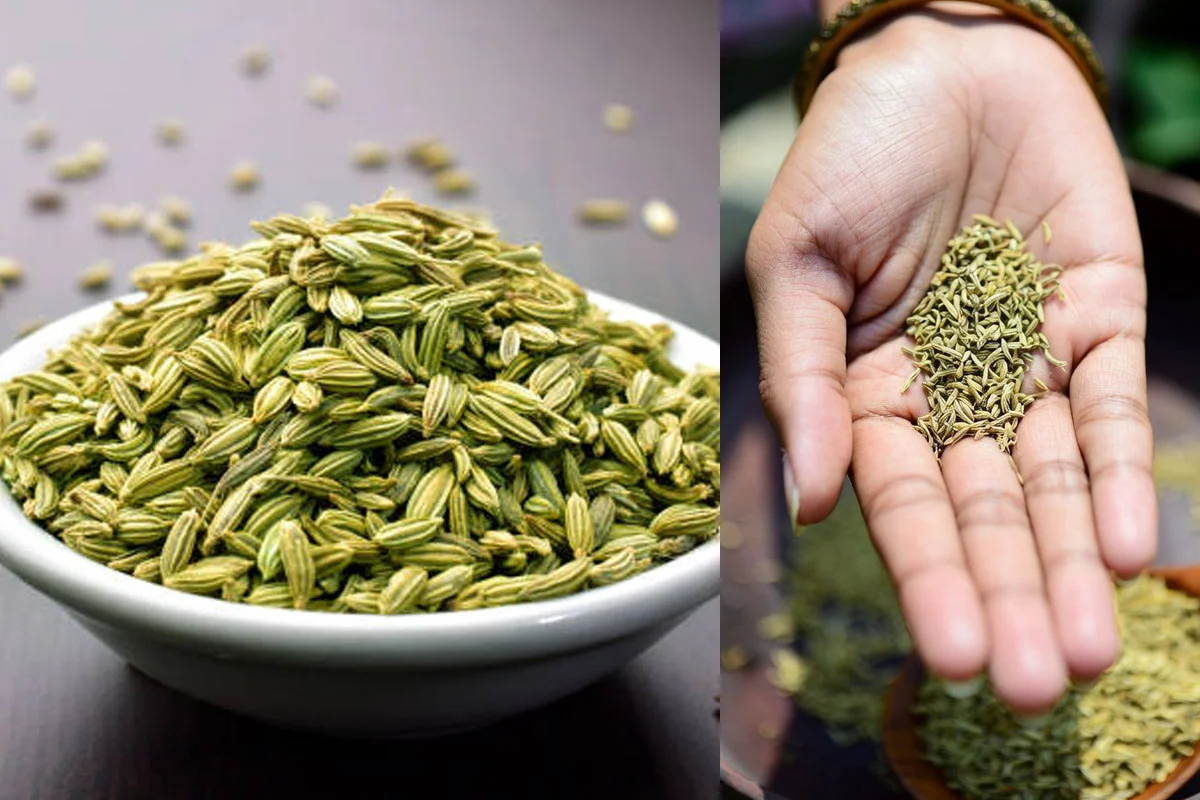
It is very easy to eat. Raw fennel can be dry roasted. Remove as soon as the light aroma comes out. Be careful not to burn. Because if it is fried too much, the nutritional value of fennel is lost. Many people add lemon juice to fried fennel. But if the dampness takes hold, the fennel remains prone to spoilage. Eating a small amount of dry roasted fennel after a meal removes any digestive concerns.
Comments are closed.