
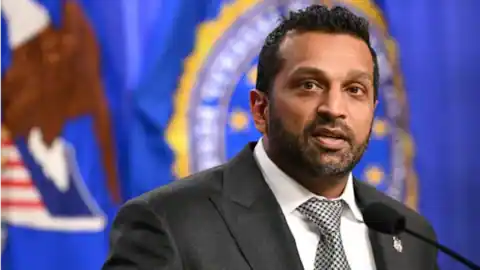
Kash Patel’s “Based Apparel” E-Commerce Website Taken Offline After Targeted Malware Cyberattack

In a troubling development highlighting the persistent cyber vulnerabilities surrounding prominent political figures, the personal merchandise website of FBI Director Kash Patel, Based Apparelwas abruptly taken offline on Friday, May 22, 2026.
The emergency shutdown followed alarming technical reports revealing that the platform had been thoroughly breached by malicious actors. According to cybersecurity researchers, the attackers systematically compromised the site’s underlying infrastructure to actively distribute “infostealer” malware to unsuspecting digital visitors, turning a partisan apparel shop into a weaponized hub for cyber contagion.
The cyberattack targeting Based Apparel, an online storefront dedicated to selling conservative-themed merchandise and apparel associated with Patel was initially uncovered by vigilant users on the social media platform X. Security researchers immediately moved to intercept and analyze the malicious payload embedded within the e-commerce framework.
The analysis revealed a highly aggressive strain of infostealer malware. Unlike traditional ransomware attacks designed to lock a system down for financial extortion, infostealer scripts operate silently in the background of a consumer’s web browser. The malware was specifically programmed to scrape, copy, and export sensitive user data the exact moment a customer interacted with the website. The primary targets of the code included:
Saved web browser credentials and passwords
Autofill banking information and credit card data
Personal identity parameters and digital session cookies
Faced with a rapidly spreading digital infection capable of compromising thousands of supporters, the website’s administrators executed an absolute shutdown, pulling the platform completely offline to halt further malware distribution.
The Political Bullseye: A Pattern of Conservative Platform Breaches
Cybersecurity experts note that the attack on Based Apparel is not an isolated technical failure, but rather part of a highly coordinated, escalating campaign targeting online platforms tied to high-profile figures.
In a striking coincidence, the emergency closure of Patel’s merchandise store occurred on the exact same Friday that another politically adjacent enterprise, Trump Mobilesuffered a massive security failure. Trump Mobile confirmed that a separate security exposure had leaked sensitive customer databases online, exposing the real names, email addresses, physical mailing locations, and phone numbers of thousands of consumers.
The overlapping timelines of these digital breaches underscore a dangerous reality for public officials in 2026: commercial and merchandise operations are increasingly viewed by threat actors as soft, poorly defended entry points to execute political corporate sabotage and harvest mass citizen data.
Following the Digital Trail: The Escalating Siege on Patel
For FBI Director Kash Patel, the compromise of his commercial apparel site marks the second major digital breach targeting his personal ecosystem in less than two months.
In late March 2026, an elite, pro-Iranian hacking collective operating under the moniker Handala Hack Team successfully breached Patel’s personal, non-governmental Gmail inbox. During that high-profile incident, the foreign threat actors leaked private photographs, historical resumes, and years of personal travel records onto the internet. While the FBI quickly clarified that the March inbox breach contained absolutely no classified government intelligence, the subsequent malware injection into Based Apparel indicates that cybercriminals and foreign adversaries are actively and relentlessly auditing every corner of Patel’s digital footprint for weaknesses.
The Shared Vulnerabilities of E-Commerce Infrastructure
The weaponization of Based Apparel exposes a structural weakness inherent across standard e-commerce architectures, which frequently rely on third-party plugins, open-source shopping carts, and external payment gateways.
| Platform Targeted | Compromise Mechanism | Ultimate Objective |
| Based Apparel (Patel) | Infrastructure Hijack / Script Injection | Spreading Infostealer Malware to Visitors |
| Trump Mobile | Database Exposure / Lack of Access Control | Mass Credential Exfiltration & Data Leaks |
| Personal Email (Patel – March) | Phishing / Credential Harvesting | Political Embarrassment & Intelligence Scouting |
Because retail storefronts prioritize user experience and transactional speed over hardcore, military-grade defensive firewalls, they are deeply vulnerable to supply-chain injections. Cybercriminals know that while breaching official FBI communication channels is nearly impossible, hacking the merchandise store of the FBI Director requires a fraction of the effort and can still yield massive reputational damage.
As Based Apparel remains dark, the incident serves as a stern warning for modern political and public figures who operate parallel commercial, media, or retail empires.
In the hyper-volatile digital landscape of 2026, there is no longer any separation between a public figure’s political identity and their commercial operations. Threat actors do not care if a platform is selling t-shirts or hosting government communications; if a website carries a high-profile name, it will be relentlessly targeted. Until public figures apply the same rigid security standards to their commercial side-ventures as they do to their official operations, their digital storefronts will continue to function as dangerous staging grounds for global cyber warfare.

Comments are closed.