
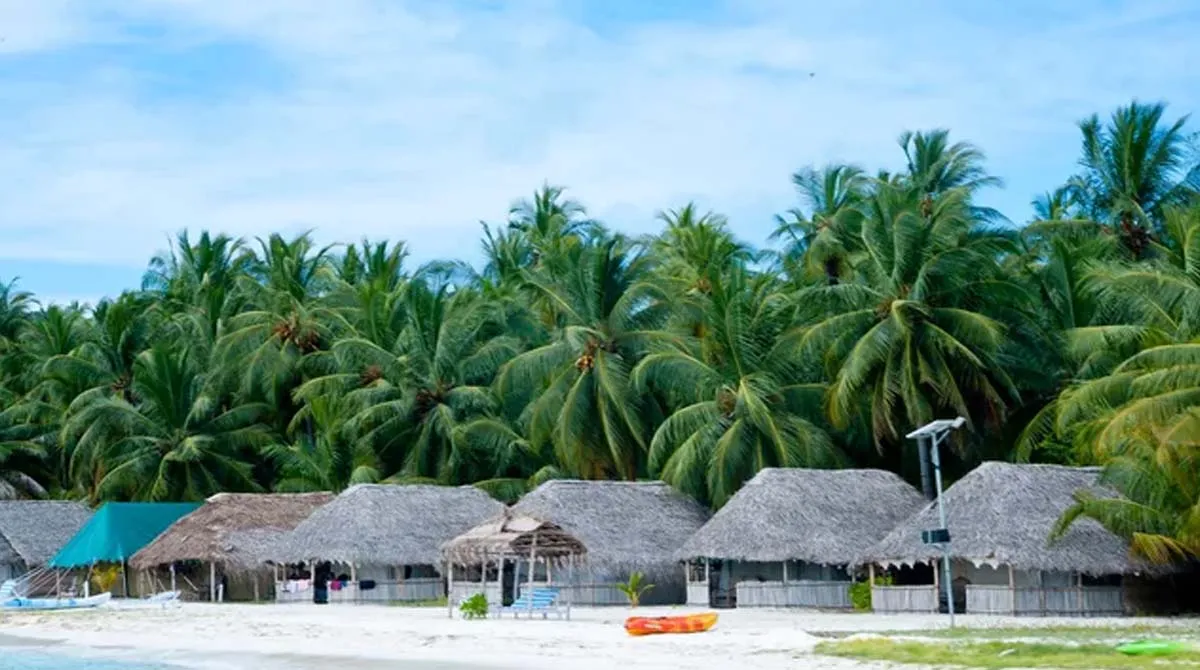
Lakshadweep: Ban on liquor lifted after 47 years, new rule implemented with the approval of the President on this island with 97% Muslim population

After complete prohibition for almost 47 years, the sale of liquor has now been legally approved in the Union Territory of Lakshadweep. This is a huge and historic policy change in this beautiful and strategically important archipelago of the country. After the official approval of the country’s President Draupadi Murmu, the new Lakshadweep Excise Regulation-2026 has come into force here. With the implementation of this new rule, the complete prohibition law that had been in effect on the islands since 1979 has been completely abolished.
With this big decision, a completely new and controlled legal system has now been implemented in Lakshadweep regarding the manufacturing, import-export, transportation and sale of liquor. About 96.5 percent or about 97 percent of the population of Lakshadweep is Muslim. Due to this social background, complete prohibition was implemented here in the year 1979, because consumption of alcohol is completely restricted and prohibited in the religion of Islam. For the last five decades, this system of prohibition had remained an important part of the social, religious and cultural identity here. However, now the Central Government has made such a big change in this old policy with the aim of promoting tourism and accelerating economic development.
Administration took this big step to compete with Maldives
The logic of the Lakshadweep administration behind this decision is that this beautiful archipelago is being developed as an excellent tourism center of international level. It is considered extremely important to expand modern tourism facilities in Lakshadweep to directly compete and compete with the world famous island tourist destinations like Maldives.
Let us tell you that till now liquor was available in a very limited and controlled manner only in some selected resorts built on Bangaram Island of Lakshadweep. But, under this new system brought by the government, now other hotels, big resorts and licensed establishments authorized by the administration will also be able to serve and sell liquor to tourists in a controlled manner as per the prescribed rules.
There will be a bumper increase in the number of foreign and domestic tourists
The Central Government has full hope that this historic step of lifting the prohibition will lead to a huge increase in the number of foreign and domestic tourists coming to Lakshadweep, which will give a new impetus to the local economy. Apart from this, with the start of sale of liquor, the administration will also get a huge additional revenue (state earnings) through excise duty, hefty license fees and other taxes. The government says that this earning can be used for regional development of Lakshadweep and completing local public welfare projects.
However, the administration has not given complete freedom to the sale of liquor in the market. Under the new excise policy, heavy tax has been imposed on liquor, which will make it very expensive. According to the new rules, heavy excise duty of up to 400 percent will be imposed on Indian and foreign liquor. Apart from this, 200 percent tax will be levied on beer and 80 percent tax on wine. The most important thing is that only government authorized agencies, government corporations and very select private institutions will be able to do liquor business by obtaining its license.
Strict adherence to rules and growing controversy at local level
Social security has also been taken care of under the new policy. According to this, youth below 21 years of age will be strictly prohibited from buying or consuming liquor in Lakshadweep. Along with this, the administration has also reserved the special right that if the need arises in future, they can again impose a complete ban on liquor in any particular island or sensitive area or impose additional controls.
Despite all this, the controversy in Lakshadweep has deepened over this decision to lift the liquor ban. Local social organizations, religious groups and political representatives there have started openly opposing this policy. Many prominent local leaders, including the current MP of Lakshadweep, Mohammad Hamdullah Sayeed, have clearly said that no comprehensive consultation was held with the local people of the islands before taking such a sensitive and important decision. The leaders’ direct allegation is that this decision is completely against the wishes of the local people and it has been imposed from above.

Comments are closed.