
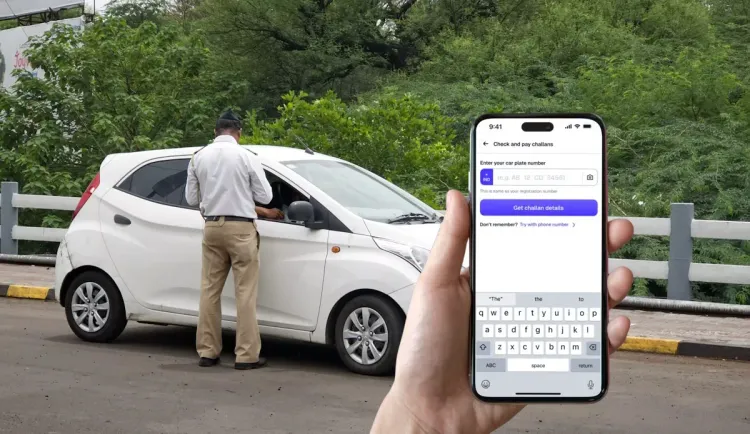
Maharashtra DGP To Cops: Cannot Force Motorists To Pay Fine On The Spot, No Seizing Vehicles

After receiving a number of complaints, the Maharashtra State Traffic Police Department has issued strict instructions to traffic police across the state. It has highlighted that the traffic police cannot force motorists to pay e-challans on the spot. Also, the police authorities cannot seize vehicles due to the non-payment of e-challans. Instead, they will need a court order to seize any vehicle.
Pravin Salunkhe, Additional Director General of Police (Traffic), sent the official circular. The state traffic police department has reiterated that traffic officers have no legal authority to compel drivers to immediately pay pending e-challan fines during roadside checks. The payment can only be made voluntarily by the vehicle owner. It has been clearly mentioned that no traffic personnel can pressure, threaten, or coerce motorists to make immediate payments.
Cannot seize vehicles
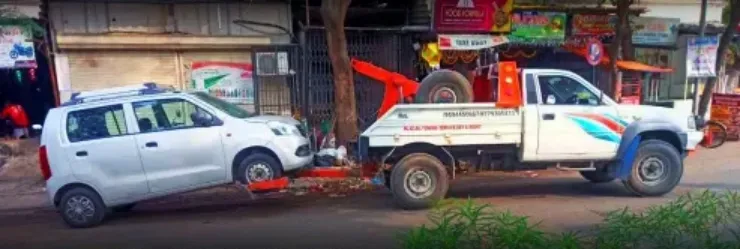
In addition to this, the circular has also highlighted that the traffic police do not have the authority to seize vehicles because a motorist has pending challans or unpaid fines. If the vehicle has to be seized, then it needs to be mandated through proper legal procedure, including court orders and legal proceedings initiated through the judicial system.
This directive from the Additional Director General of Police (Traffic) has come after serious complaints from transport unions across Maharashtra. These concerns were raised during a high-level meeting which was chaired by the Maharashtra Transport Minister. Representatives from multiple transport organisations and unions attended the meeting, as unions had earlier planned a nationwide strike.
During the meeting, the transport unions reported that drivers were getting stopped by the traffic police authorities without any valid reason. They were then getting pressured to clear all pending e-challans immediately. Additionally, the vehicles were getting detained for long periods until fines were paid.
The union leaders also highlighted that officers were seizing vehicles and documents without legal authority. Many drivers also reported demands for unofficial payments. Apart from these, the transport unions also stated that there have been numerous incidents where authorities have used abusive language and threatening behaviour.
As a result of these complaints, the Maharashtra State Transport Minister, Pratap Sarnaik, expressed serious dissatisfaction over the complaints. He stated that such conduct by traffic police damages the public image of the department. He added that authorities need to take immediate corrective actions.
SOPs have already been there
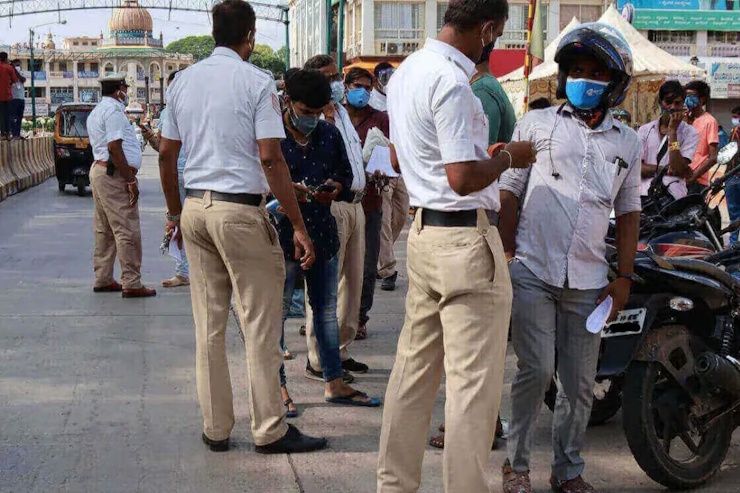
The most recent circular from the Additional Director General of Police (Traffic) highlighted that there is already an official Standard Operating Procedure (SOP) which governs challan recovery. The original SOP was issued on November 11, 2024. This SOP highlights how the traffic police personnel should handle recovery of pending e-challans, vehicle seizures, and interactions with motorists.
Additionally, the latest circular has stated that any police officer violating the SOP will face strict disciplinary action. It added that senior officers across the state have been instructed to ensure that there is strict compliance and monitoring of traffic personnel closely, and actions should take place against any misconduct immediately.
Vehicles cannot be stopped: High Court
Recently, Telangana High Court ruled that traffic police cannot stop vehicles solely to force payment of pending challans. It added that the authorities also cannot snatch the vehicle keys or restrain motorists. Additionally, they cannot force motorists to clear fines immediately.
The High Court also highlighted that the payment of traffic challans must remain voluntary when stopped on the side of the road. Also, if a motorist refuses to pay immediately, authorities must follow proper legal procedure. Recovery of fines should only happen through court notices, judicial proceedings, and orders from a competent magistrate. The court added that the traffic police cannot act as recovery agents.
Source

Comments are closed.