
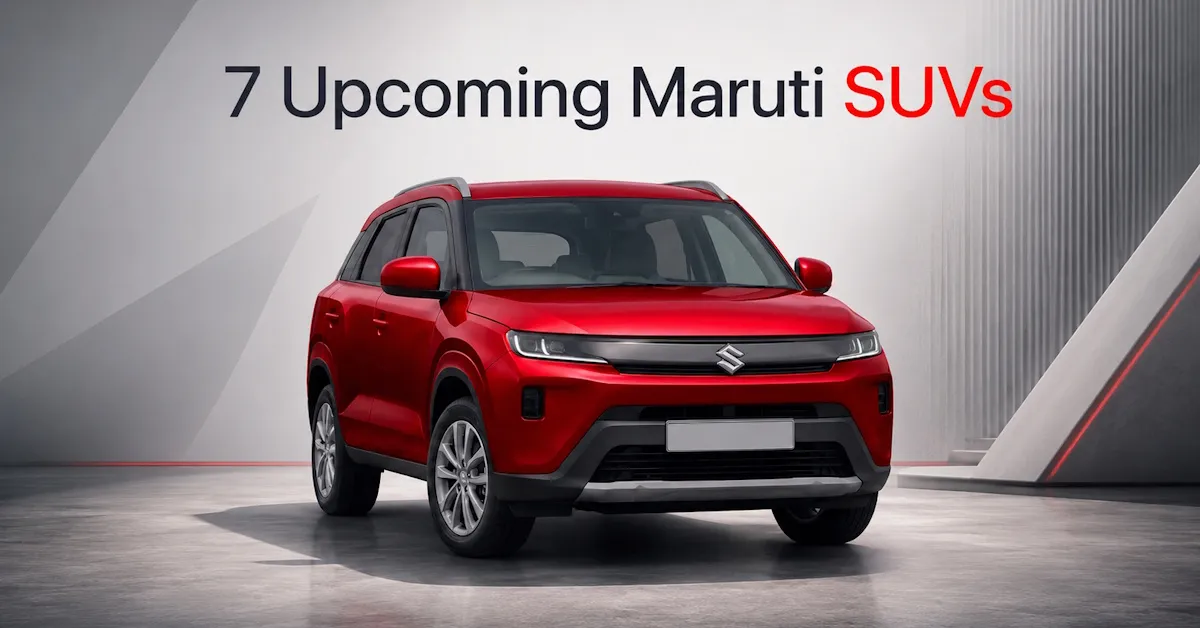

Maruti Suzuki is preparing for one of the most aggressive product rollout programs in its history. Over the next three years, it will launch nine new models, seven of which will be SUVs. These will include internal combustion vehicles, EVs, hybrids, and even CNG/CBG models. The carmaker is reportedly working towards shortening development timelines as well. Here’s what we think the seven SUVs are going to be…
Maruti Suzuki is working on a facelift to the Brezza. Test mules have been spotted multiple times in the last few months indicating that the market launch is fast-approaching. Being a mid-life update, this revision is not expected to bring dramatic changes to the Brezza’s exterior design. Going by spy sightings, the facelift will likely come with new bumpers, updated fog lamp housings and new wheels. The cabin will have a larger touchscreen infotainment unit- most likely borrowed from the Victoris, a new instrument cluster, front ventilated seats and several other features.
The outgoing Brezza is offered with 1.5-litre petrol and CNG powertrains. Maruti Suzuki is expected to introduce the Fronx-sourced 1.0L turbocharged petrol engine on the facelift. This engine will come mated to a six-speed manual transmission.
It is unclear if this would replace the 1.5L petrol unit or will be limited to just the higher variants as a peppier engine option. The introduction of the smaller engine could allow the facelifted Brezza to qualify for a lower 18 percent GST. Currently, it is taxed at 40%.
The CNG version will come with an underbody CNG tank, just like the Victoris. This will ensure usable boot space- something that the current Brezza CNG misses out on.
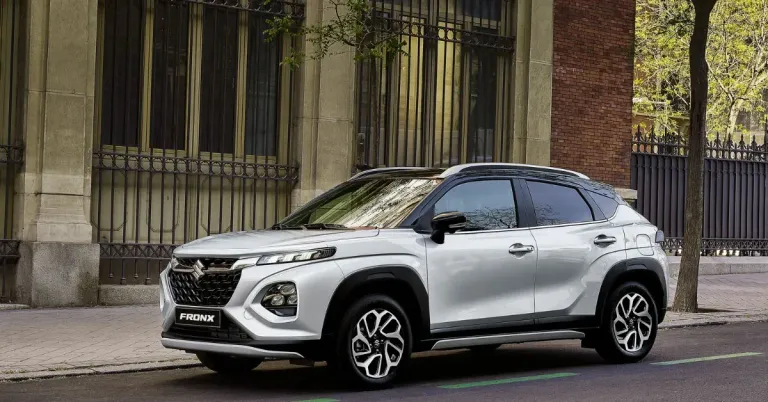
Another launch expected from Maruti Suzuki is the facelifted Fronx. It will feature subtle design changes, notable feature additions and even come with a cost-effective series hybrid powertrain. Level 2 ADAS, ventilated seats, and a larger touchscreen will all be added to the updated Fronx.
In addition to the outgoing powertrains, it will also get the option of a series hybrid setup. In this, the wheels will be driven by the electric motor. The petrol engine- a 1.2L (Z12E) 3-cylinder naturally aspirated unit, will work as a generator to recharge the battery pack. This battery will power the electric motor. This setup is claimed to return a fuel efficiency of around 35 kpl.

Maruti Suzuki is also known to be working on a flex-fuel version of the Fronx. It will be able to run on blends of up to E85 (85% Ethanol) and will make its market debut sometime in the near future.
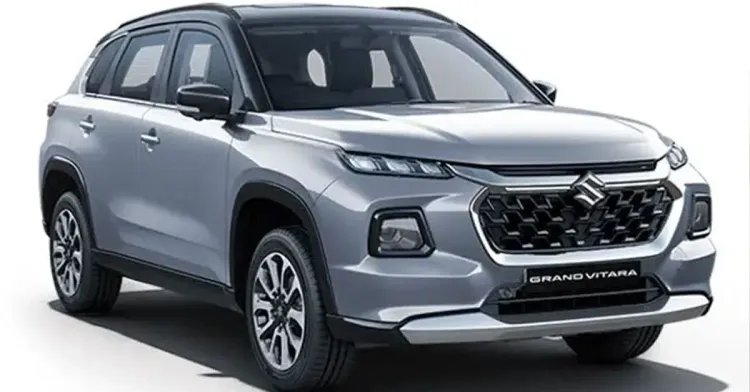
Another launch expected this year is the Grand Vitara facelift. Maruti Suzuki first launched this SUV in 2022. It is now due for a mid-cycle update. Expected to launch around the festive season, it will bring subtle design improvements to the SUV. We expect to see a tweaked front grille, new bumpers, updated lighting and a new set of wheels. The facelift is also likely to get a larger 10.1-inch infotainment system, digital instrument cluster, level 2 ADAS and several other features. Powertrains are likely to remain unchanged- 1.5L petrol, strong hybrid, and CNG.
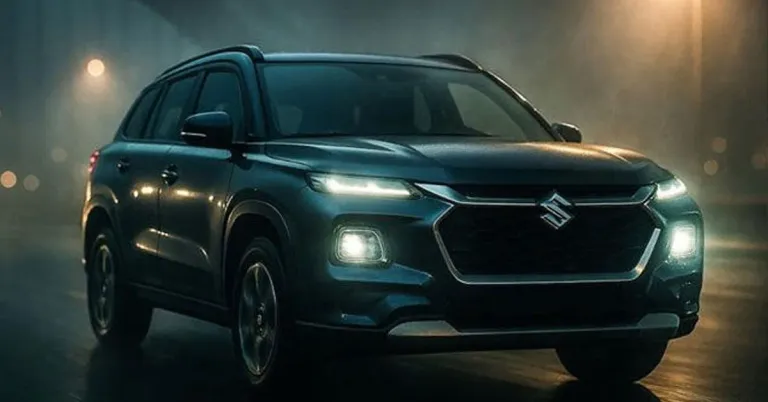
The carmaker is also said to be developing a seven-seater SUV based on the Grand Vitara platform. It is internally called Y17 and the production form will compete with models like the Alcazar. Test mule sightings reveal that the seven-seater will have a significantly longer wheelbase than the regular Grand Vitara. It will have an extended rear section and a slightly different rear design.
Inside, the seven-seater will come with features like ventilated seats, wireless charger, 360-degree camera, head up display, panoramic sunroof, and other features. It is likely to get level 2 ADAS as well. This SUV will likely use the same mild-hybrid and strong hybrid powertrains as the five-seater and could go on sale around the festive season.
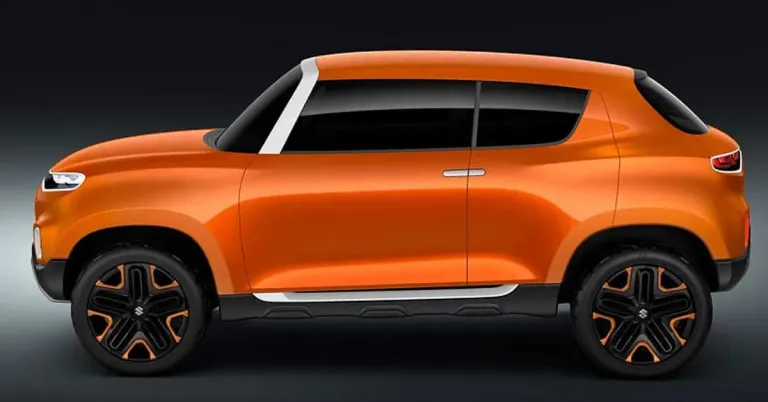
(Image for representation only)
Maruti Suzuki is also working on a new micro-SUV that will rival the Hyundai Exter and Tata Punch when launched. The project is internally called Y43. The production form will effectively become the successor to the now-discontinued Ignis. It will most likely be sold through the NEXA network.
The Y43 will likely be powered by the familiar 1.2-litre, three-cylinder Z12E petrol engine. The company hasn’t, however, revealed anything around the powertrains yet. There is a possibility of the Y43 getting a CNG powertrain as well. Market launch is expected by the end of 2026 or in early 2027.
Unconfirmed reports also claim that Maruti Suzuki could introduce an electric version of the Y43 sometime in the future. According to them, this vehicle is being developed with a multi-powertrain strategy as the base. When launched, the electric version will compete primarily with the Tata Punch.EV and Citroen eC3.
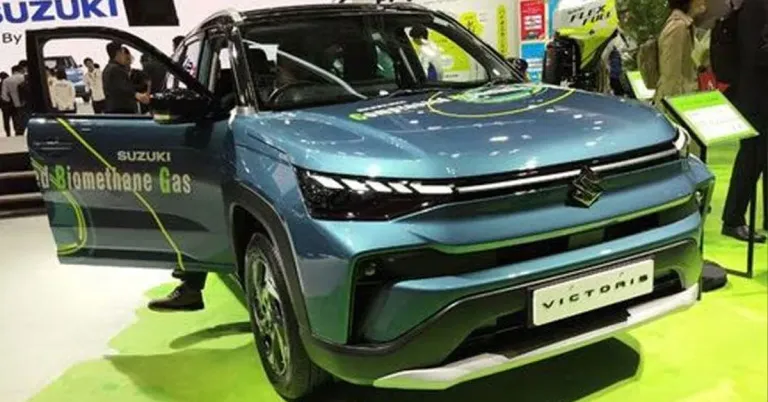
Another launch expected from Maruti Suzuki is the CBG (Compressed Bio Gas) version of the Victoris. It was previously showcased at Japan Mobility Show 2025. It will use the same 1.5-litre four-cylinder engine as the regular CNG version. It makes around 87hp and 122Nm on the CNG version. Output figures for CBG remain undisclosed.
CNG and CBG run on nearly-identical hardware. Therefore, no big changes need to be made to the CNG Victoris to ensure compatibility. CNG and CBG, in fact, differ with their source materials and not the chemical composition. CNG is derived from petroleum-based natural gas deposits, whereas CBG is produced from organic matter.
Comments are closed.