

Imagine waking up in November, walking onto your balcony, and spotting fresh mangoes growing on your own tree. Sounds impossible, right? After all, mangoes are supposed to belong to summer. But that is exactly why Baramasi mangoes are so special. Unlike traditional mango trees that usually fruit only once a year during the summer months, Baramasi mangoes can produce fruit multiple times a year. For anyone who has ever dreamed of growing mangoes at home but thought they needed a huge orchard, Baramasi mangoes are a game-changer.
What Exactly Does “Baramasi” Mean?
The word “Baramasi” comes from Hindi. “Bara” means twelve, and “masi” refers to months. Together, the name basically means “throughout the year” or “all-season.” These mango trees are famous for producing fruit more than once a year, especially in warm tropical climates. While normal mango trees wait for one flowering and fruiting season, Baramasi varieties continue giving flowers and fruits in cycles.
The Mango Tree Made For Modern Homes
Photo: Pexels
One of the biggest reasons behind the popularity of Baramasi mangoes is their size. Traditional mango trees can become gigantic. Some mango trees grow over 30 meters tall and spread out massively. They are wonderful on farms and orchards but impossible for small city homes. Baramasi mango trees are different. Most of these are compact grafted hybrids that stay much smaller and manageable. They can grow on terraces, balconies, and gardens.
Baramasi mangoes are also loved because they are extremely sweet, mostly fibreless, easy to grow, and suitable for the Indian climate. The fruits are usually medium-sized with smooth skin and rich golden-yellow flesh when ripe. Unlike some fibrous mangoes that get stuck in your teeth, Baramasi varieties are often silky, juicy, and smooth.
Interestingly, grafted Baramasi mango trees can start fruiting in just 9 to 12 months. Compare that to regular seed-grown mango trees that may take four to five years before producing fruit. That is why home gardeners are obsessed with them.
The Famous Baramasi Varieties
Originally linked to Thailand, the Katimon mango has become one of the most popular all-season mango varieties in India. The tree remains compact, making it perfect for home gardens and terrace pots. Its main flowering season is usually between December and February, while fruits can appear from March all the way till September and sometimes even longer in tropical regions.
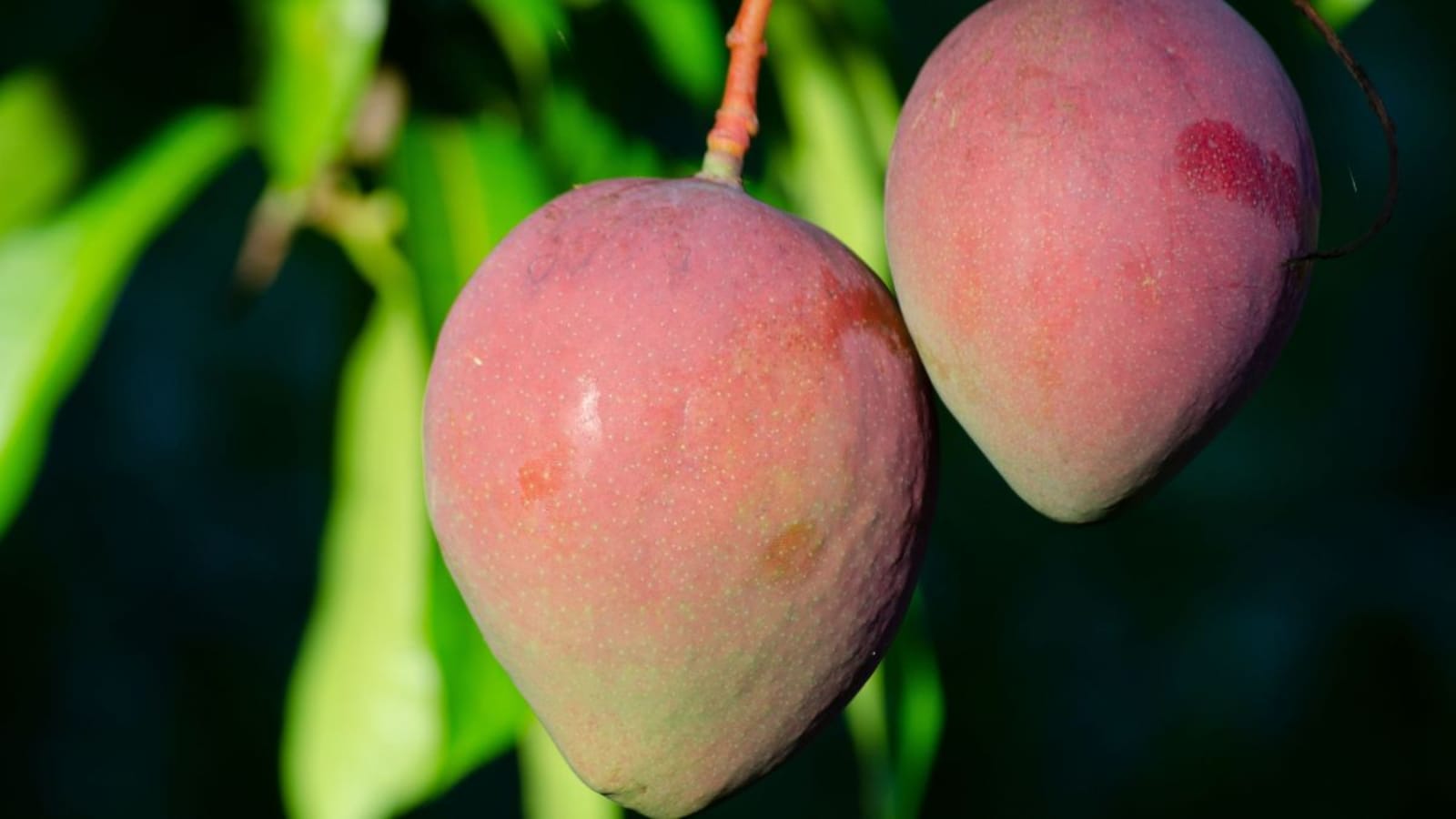
Another fascinating Baramasi variety gaining popularity is the Hong Siang Red Dragon mango. The mangoes develop a gorgeous reddish blush on the skin, making them look incredibly premium and exotic. Even the tree itself looks attractive because of its glossy evergreen leaves.
Why These Trees Grow So Well In India
Baramasi mangoes love warm and humid weather, which makes many Indian states ideal for them. These trees thrive in temperatures between roughly 20 degrees Celsius and 38 degrees Celsius and enjoy long sunny days.
Baramasi mango trees are not only productive but also beautiful. The trees have shiny evergreen leaves that instantly brighten terraces and balconies. And there is something incredibly satisfying about eating a mango that grew in your own home.

Comments are closed.