
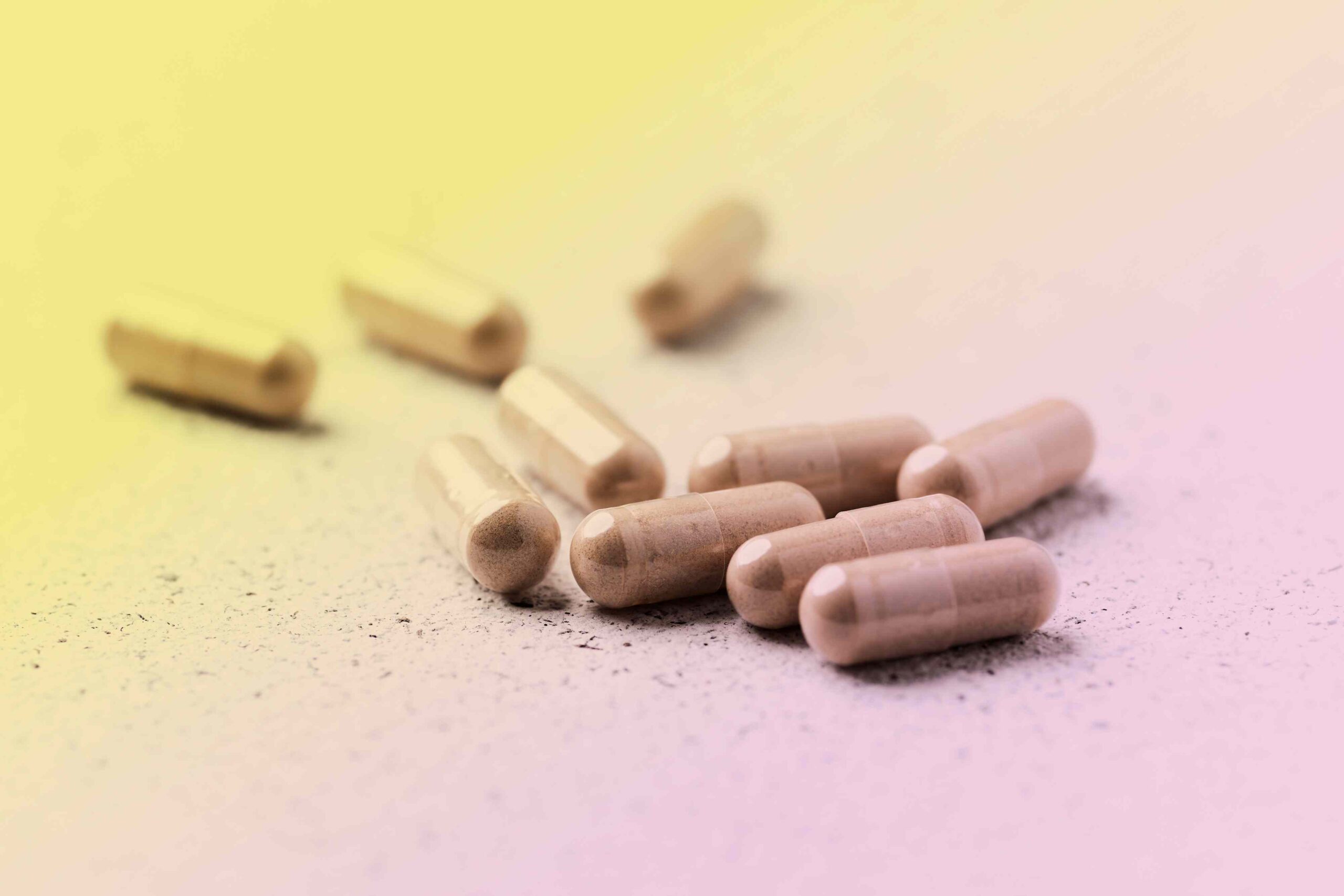

Can it really help with stress? We take a closer look at what the science says.
Reviewed by Dietitian Christa Brown, M.S., RDN, LD
What to Know About Ashwagandha
- Ashwagandha may help reduce stress, improve sleep quality and boost energy.
- Most studies show benefits with daily doses between 250 and 600 milligrams.
- Short-term use appears safe, but it may cause stomach upset or interact with medications.
If you’ve been feeling stressed, low on energy or having trouble sleeping, you’ve probably seen ashwagandha mentioned as a natural fix. This ancient herb has been linked to benefits like reduced stress, improved sleep and better focus. Some research suggests it may even help lower cortisol, the body’s main stress hormone.
Ashwagandha—also known as Indian ginseng or winter cherry—is an evergreen shrub native to parts of Asia, Africa and Europe. It’s been used for centuries in Ayurvedic and Unani medicine as an adaptogen, meaning it may help the body adapt to physical and emotional stress. “A few ways to incorporate ashwagandha into your diet would be through a supplement or a tea,” explains Maggie Michalczyk, RDN.
Why We Love Ashwagandha
Helps Relieve Stress and Anxiety
One of the main reasons people take ashwagandha is to tap into its adaptogenic properties, which may help the body better manage stress. Adaptogens are thought to work by helping a person resist or adapt to physical and emotional stressors. While more research is needed, early studies suggest that ashwagandha may help reduce stress and anxiety when taken regularly.
A systematic review of 41 studies found that taking ashwagandha—whether as a root extract, a combination of root and leaf, or a root powder—was associated with lower stress and anxiety levels. Participants who took the supplement also showed reduced serum cortisol, the hormone that rises in response to stress, compared with those taking a placebo.
May Improve Sleep Quality
Another major benefit of ashwagandha is the effect it has on sleep. A randomized, double-blind, placebo-controlled trial evaluated 150 subjects and compared their self-reported quality of sleep after taking either a placebo or a 120-milligram ashwagandha extract for six weeks. The subjects that took the ashwagandha saw a 72% increase in sleep quality, while the placebo group only saw 29%. More studies are being done to help determine ashwagandha’s sleep benefits, but early research is promising for this ancient medicine that has been used for stress and sleep for centuries.
More Energy and Better Mental Clarity
Whether it’s due to having decreased stress levels and better sleep, or if the supplement also adds this benefit, research has also linked improved energy levels and mental clarity for subjects that have taken ashwagandha regularly. Participants in one study said the extract helped them feel better overall, describing a greater sense of calm, more energy, and sharper mental focus.
“A few ways to incorporate ashwagandha into your diet would be through a supplement or a tea.
“
Maggie Michalczyk, RDN.
May Support Healthy Body Composition
Ashwagandha may help support a healthier balance of muscle and body fat, especially when paired with regular strength training. Some studies suggest it could promote muscle growth, improve workout results and help manage stress-related food cravings. While early research is promising, more studies are needed to confirm these effects.
Supports Metabolic Health
Because of its anti-inflammatory and antioxidant properties, ashwagandha has emerged in research as a possible aid for metabolic health. Systematic reviews and meta-analyses indicate that taking ashwagandha supplements may help improve markers like weight, fasting blood glucose and HbA1c. It also may have favorable effects on lipid profiles, including total cholesterol and LDL-cholesterol. While promising, these findings are still early and more human studies are needed.
Potential Side Effects You Should Know About
Ashwagandha may be safe for most adults when taken in the short term (up to three months). There isn’t enough evidence to determine its long-term safety. In some individuals, ashwagandha preparations may cause drowsiness, stomach upset, diarrhea or vomiting. These effects are generally mild, but starting with a lower dose can help minimize discomfort.
How Much Can You Take
While knowledge about the nutrition profile of an ashwagandha supplement is limited, some studies that showed beneficial intake levels for ashwagandha ranged between 250 to 600 milligrams a day.
Are Ashwagandha Supplements Safe for Everyone?
Ashwagandha can interfere with certain medications, so it’s important to check with a health care provider or registered dietitian before adding it to your routine. “There can be some interactions between ashwagandha and other medications, such as immunosuppressants and sedative medications, which is why it’s always important to chat with a health care provider or dietitian when incorporating a new supplement into your routine,” says Michalczyk.
There’s also evidence that ashwagandha may interact with medications for diabetes, high blood pressure, seizures and thyroid hormone replacement. These interactions could affect how the medications work or increase the risk of side effects.
Ashwagandha may also influence thyroid function. Research in both humans and animals shows it can raise levels of thyroid hormones triiodothyronine (T3) and thyroxine (T4), which may alter how thyroid medications work.
Pregnant or breastfeeding individuals should avoid taking ashwagandha, as its safety in these groups has not been established. Some case reports have also linked high doses of ashwagandha to miscarriage, underscoring the importance of medical guidance before use.
What to Look for in an Ashwagandha Supplement
Ashwagandha is most often found in supplement form, either on its own or blended with other stress-support ingredients like L-theanine. It’s also used in calming teas that promote relaxation and better sleep. Most supplements are made from powdered root extract that’s processed into capsules, tablets, powders or liquids. The form you choose depends on what fits best into your daily routine—capsules are convenient, while powders or liquids may absorb more easily for some people.
When choosing any supplement, look for quality and transparency. Independent verification from third-party organizations such as NSF or USP helps confirm purity, potency and safety. Check the label for clear dosing information and avoid products that hide ingredient amounts behind “proprietary blends.”
It’s also important to select a product that fits your individual health needs and any medication you take. If you have allergies or sensitivities, look for supplements made without common allergens or unnecessary additives. Because supplement facilities may handle multiple ingredients, choose brands that follow good manufacturing practices to reduce the risk of cross-contamination.
Our Expert Take
Ashwagandha has earned its reputation as one of the most talked-about adaptogenic herbs for a reason. Early research supports its potential to help manage stress, improve sleep and support energy and focus, with some evidence pointing to possible benefits for body composition and metabolic health. Still, it’s not a magic fix—its effects vary depending on dose, duration and individual health factors.
If you’re curious about trying it, choose a supplement from a reputable brand that’s third-party tested for quality and purity. Start with a lower dose, monitor how your body responds and check with a health care professional if you take other medications. Used thoughtfully, ashwagandha can be a helpful addition to a broader routine that supports relaxation, rest and resilience.
“A few ways to incorporate ashwagandha into your diet would be through a supplement or a tea,” explains Michalczyk.
Frequently asked Questions
Is it safe to take ashwagandha daily?
Yes, ashwagandha has been deemed safe for most people to take on a daily basis, according to the USDA. Taking the supplement in small doses can be safe, but be sure to always consult your health care team before adding any supplement into your routine to ensure it’s a good fit for you.
Is ashwagandha safe for the liver and kidneys?
While there have been some cases where ashwagandha has been linked to acute liver injury, the total is very few. There have been only five cases of liver injury with use, where the patient took between 450 to 1,350 milligrams of ashwagandha a day over the course of one to four weeks and experienced signs of liver injury such as jaundice, pruritus, nausea, lethargy, abdominal discomfort and hyperbilirubinemia. However, some of these cases included the use of products that had more than the ashwagandha supplement in them, so it is difficult to make any conclusion about liver and kidney damage with ashwagandha use.
How long does it take for ashwagandha to start working?
In clinical studies, changes in stress markers and sleep have often been observed after 4 to 8 weeks of consistent use. For example, a 60-day (about 8-week) randomized, double-blind, placebo-controlled study showed significant reductions in cortisol and anxiety scores.

Comments are closed.