

According to Dr. Vo Ngoc Diem from the Department of Gastroenterology at the Endoscopy and Gastrointestinal Endoscopic Surgery Center at Tam Anh General Hospital in Ho Chi Minh City, diet plays a central role in digestive health. Choosing appropriate foods not only supports efficient stomach and intestinal function but also helps balance the gut microbiome, strengthen immunity, and lower the risk of digestive disorders.
Below are 10 foods recommended for daily digestive support:
1. Sweet potatoes
Sweet potatoes are rich in soluble fiber and resistant starch, which improve bowel movements, soften stool, relieve constipation, and nourish beneficial gut bacteria. When fermented in the colon, resistant starch produces short-chain fatty acids that support intestinal lining health.
2. Yogurt
Yogurt contains probiotics such as Lactobacillus and Bifidobacterium, which help balance gut microbiota and enhance protein digestion. Regular intake may reduce bloating, ease symptoms of irritable bowel syndrome, and strengthen the intestinal mucosal barrier.
3. Ripe bananas
Ripe bananas provide natural prebiotics, including inulin and resistant starch, that help soothe the stomach, regulate bowel motility, and reduce mucosal irritation. They are particularly suitable for people with regular reflux or sensitive digestion because they are easier to digest.
4. Whole oats
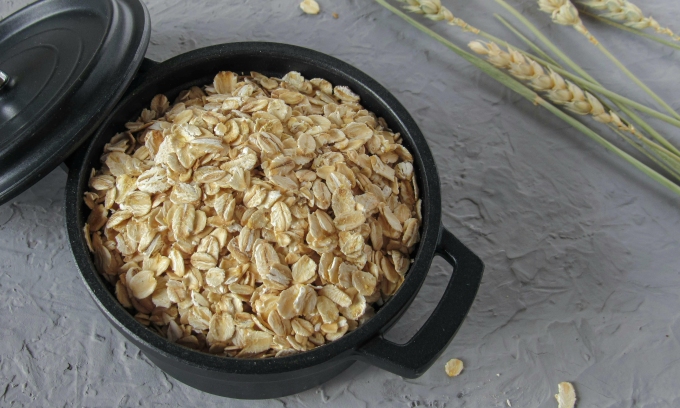
Whole oats are rich in beta-glucan, a fiber that regulates digestion speed, reduces unhealthy fat absorption, and supports beneficial bacteria. Pairing oat-based breakfasts with fruits such as bananas or papaya can further enhance digestive comfort and prevent heaviness.
Oatmeal in a pot. Illustration photo by Pexels |
5. Ripe papaya
Papaya contains papain, an enzyme that helps break down protein and aids digestion after high-protein or fatty meals. This can reduce the digestive burden on the stomach and help relieve bloating and indigestion.
6. Salmon
Salmon is a high-quality, easily digestible protein source rich in omega-3 fatty acids, which help reduce intestinal inflammation, stabilize bowel movements, and promote microbiome balance.
7. Spinach
Spinach provides magnesium and folate that support intestinal smooth muscle function and help prevent constipation. When steamed, added to soups, or lightly stir-fried, it is easy to digest and well suited to older adults or individuals with slower digestive function.
8. Ginger
Ginger can accelerate gastric emptying, reduce nausea, and minimize bloating. Its active compounds also help relieve intestinal spasms and improve functional indigestion.
9. Apple
Apple is high in pectin, a soluble fiber that stabilizes bowel movements, softens stool, and may help manage mild diarrhea. The fruit can be eaten raw, steamed, or cooked into porridge, making it suitable for children, older adults, and individuals recovering from digestive disorders.
10. Turmeric
Turmeric contains curcumin, a compound with anti-inflammatory properties that helps regulate gut microbiota, support stomach lining repair, reduce reflux, and improve overall digestion.
Dr. Diem advises individuals experiencing frequent digestive disturbances, irritable bowel syndrome, colitis, or acid reflux to follow stricter dietary control. Limiting saturated fats, refined sugar, alcohol, caffeine-rich beverages, and carbonated drinks is recommended for these people, according to the expert.
She also cautioned against excessive consumption of high-FODMAP foods such as beans, onions, garlic, and artificial sweeteners as these fermentable carbohydrates may trigger bloating and abdominal discomfort.

Comments are closed.