
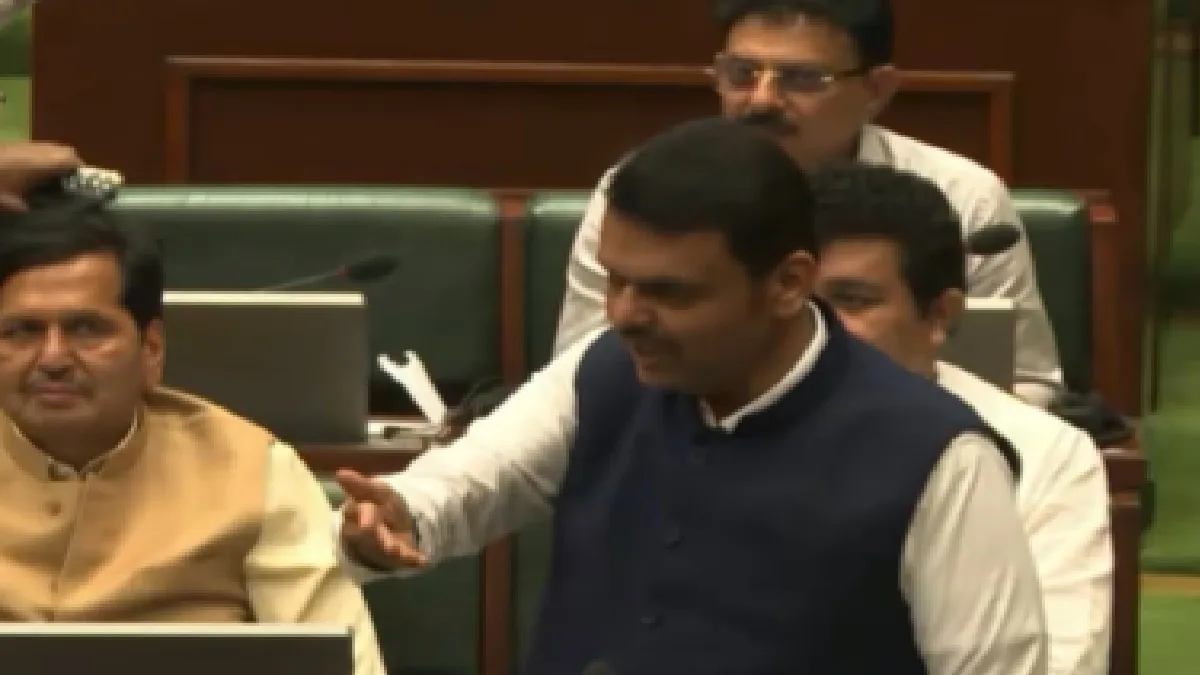
UCC In Maharashtra: UCC will be implemented in Maharashtra also, Devendra Fadnavis government will pass the bill in the winter session; Know why Muslim leaders and religious leaders are protesting

Mumbai After Uttarakhand, Assam, Gujarat and West Bengal, now the BJP-led NDA government of Maharashtra has also decided to implement the Uniform Civil Code (UCC). The Maharashtra government has formed a committee under the chairmanship of retired Supreme Court Justice Ranjana Prakash Desai to prepare the UCC bill. Justice Ranjana Desai has prepared the bill for UCC law in Uttarakhand, Gujarat and Assam. The West Bengal government has also given the responsibility of preparing the UCC bill to Justice Desai.
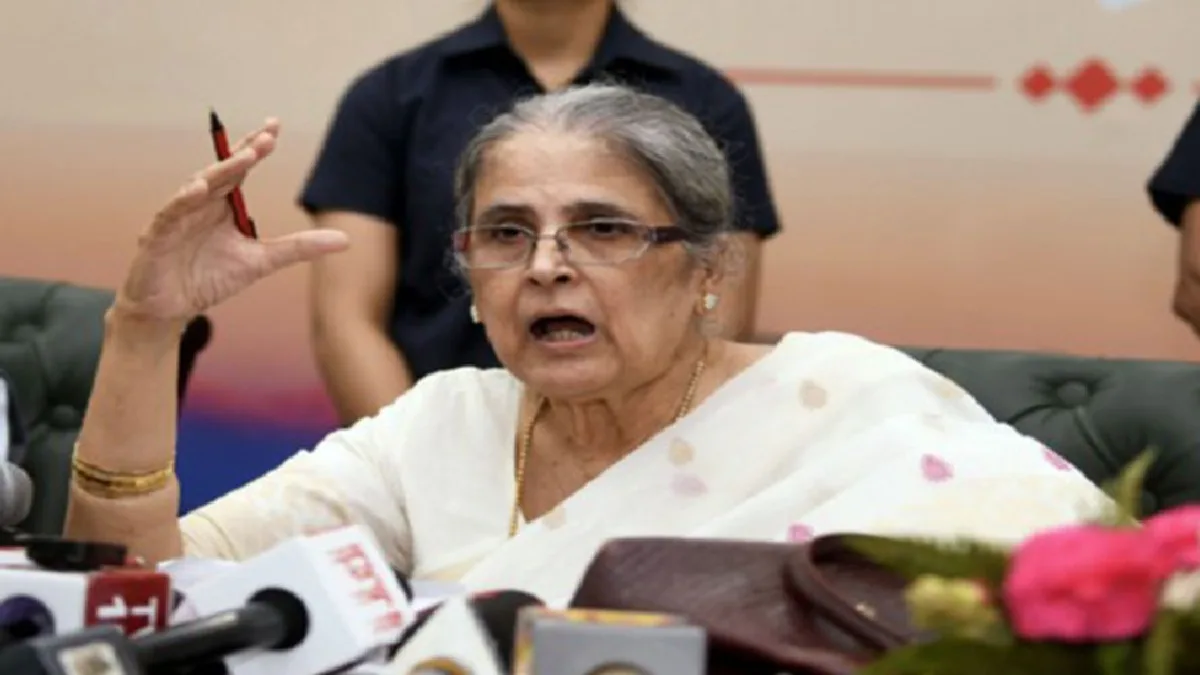
Maharashtra CM Devendra Fadnavis gave information about making UCC law in Maharashtra Assembly on Thursday. He said that the committee on UCC will submit its report in six months. On his suggestions, the UCC bill will be passed in the winter session of the Assembly and it will be implemented in Maharashtra. Apart from Justice Ranjana Prakash Desai, former High Court Justice RC Chavan and Justice SG Mehare, former Maharashtra Chief Secretary DK Jain, former Advocate General Virendra Saraf, constitutional expert Ramesh Patange and educationist Suvarna Rawal have also been included in the committee.
Let us tell you that there are people supporting one side on the issue of UCC. At the same time, leaders and religious leaders of Muslim organizations are opposing the UCC. Muslim leaders and religious leaders say that UCC is against the rules of Islam. Therefore, keeping in mind the religious freedom guaranteed under the Constitution, UCC should not be implemented. At the same time, BJP says that it is written in the directive principles of the Constitution itself that the government will take steps towards implementing UCC. UCC has been in force in Goa since the period of Portuguese rule. Where no one opposes it. Under the UCC, all other provisions including marriage, divorce, rights on property apply equally to all communities except tribals. Whereas, Muslims have separate practices of divorce, marriage, ownership of property and adoption.

Comments are closed.