
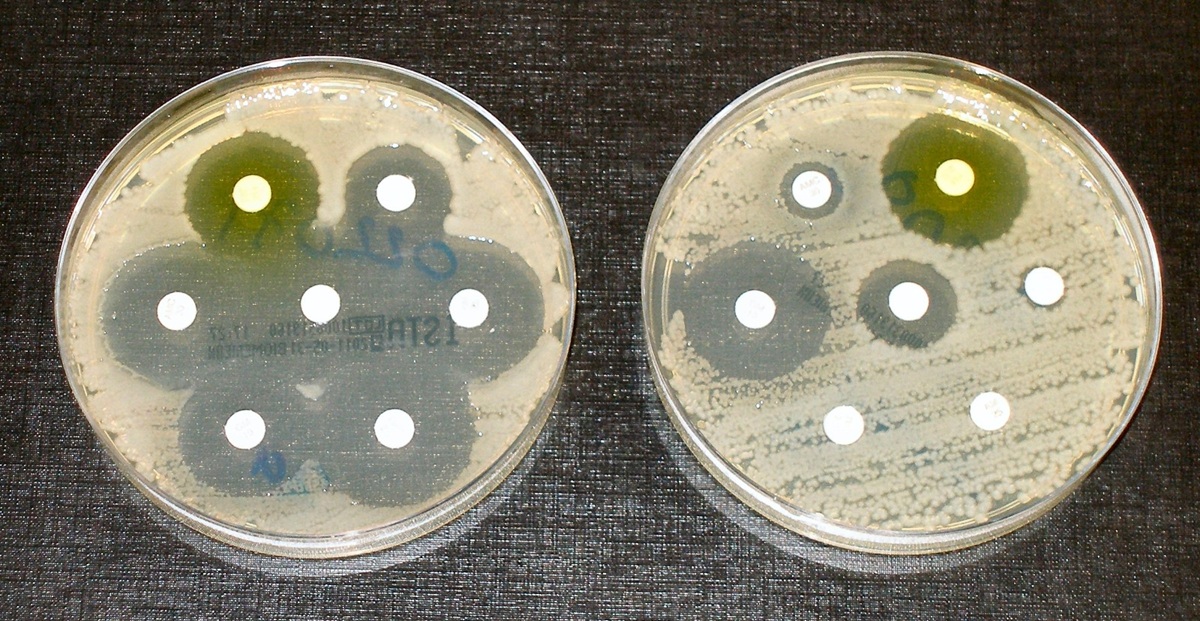

Experts around the world are continuously issuing warnings regarding antimicrobial resistance (AMR). Now it is not only posing a threat to the future but is also having a negative impact on the present. This is a reality which millions of people of India are facing. This was said on Monday by Florian von Grute, head of clinical research at the UK’s Wellcome Trust ‘Infectious Disease Clinical Research’ team.
Speaking to IANS, von Grute, an expert in infectious diseases research, said that AMR is one of the major health problems in the world, which is seeing a continuous increase. It is also becoming the cause of death of many people. India, due to its large population, high burden of infectious diseases and widespread antibiotic use, is facing this situation more.
He said, “AMR is no longer just a hospital problem, but is impacting India’s healthcare system. These trends reflect widespread antibiotic misuse, lack of infection control and surveillance in many parts of the country. AMR is not a threat of the future, but the reality of today in India.” India still faces the highest number of bacterial infectious cases in the world.
According to a recent report by the World Health Organization (WHO), in 2023, almost one out of every three people suffering from bacterial infections in India was resistant to antibiotics. Worldwide, this was one in every six confirmed infection cases. National AMR surveillance data also show troubling resistance patterns in pathogens such as E. coli, Klebsiella pneumoniae, Staphylococcus aureus, and Acinetobacter baumannii.
A recent study published in the Lancet e-Clinical Medicine journal warns that India is at the epicenter of a superbug explosion as multiple resistant organisms have been found in many patients in the country at the same time.
This revealed that more than 80 percent of Indian patients have multidrug-resistant organisms (MDROs) and this figure is the highest worldwide.
Von Groot said AMR is receiving increasing attention because common infectious diseases are becoming more difficult to treat, antibiotics are failing, and its economic impact can no longer be ignored.
“Resistance levels to certain antibiotics are really high. Treatment options are diminishing, and many first-line and even last-line antimicrobials are losing their efficacy, making previously easily managed infections difficult or impossible to treat,” von Groot told IANS.
“India is one of the countries with the highest levels of antimicrobial resistance in the world. In 2019, drug-resistant infections directly caused about 2,67,000 deaths in the country, the highest worldwide,” the infectious disease expert said, citing joint research data from Oxford University, UK, and the University of Washington, US.
Although the latest data from ICMR shows that ceftazidime has increased slightly in efficacy against E. coli (from 19.2 per cent in 2023 to 27.5 per cent in 2024), increasing resistance to carbapenems and colistin remains a red flag, indicating reduced treatment options in the country.
“Compared to other more populous countries in Asia and Africa, India remains a critical hotspot… due to its large size, rising burden of infection and widespread antibiotic misuse,” von Groote said.
Specifically, to prevent antibiotic resistance, the Ministry of Health and Family Welfare launched the second version of the National Action Plan on Antimicrobial Resistance (2025-29) with specific strategies.
Meanwhile, von Gruyte suggested an emphasis on the correct and responsible use of antibiotics, better monitoring of humans, animals and the environment, and the development of new drugs, vaccines and diagnostics.
Experts also mentioned simple measures like keeping hands clean and other infection control methods to reduce the need for antibiotics.
Also read:
Ram Mohan Naidu speaks on IndiGo crisis, we will set an example for other airlines by taking strict action
Giriraj Singh attacked the opposition, said – Some people believe in ‘Babri Masjid’ instead of ‘Vande Mataram’
Government banks wrote off loans worth ₹6.15 lakh crore, RBI data reveals

Comments are closed.