
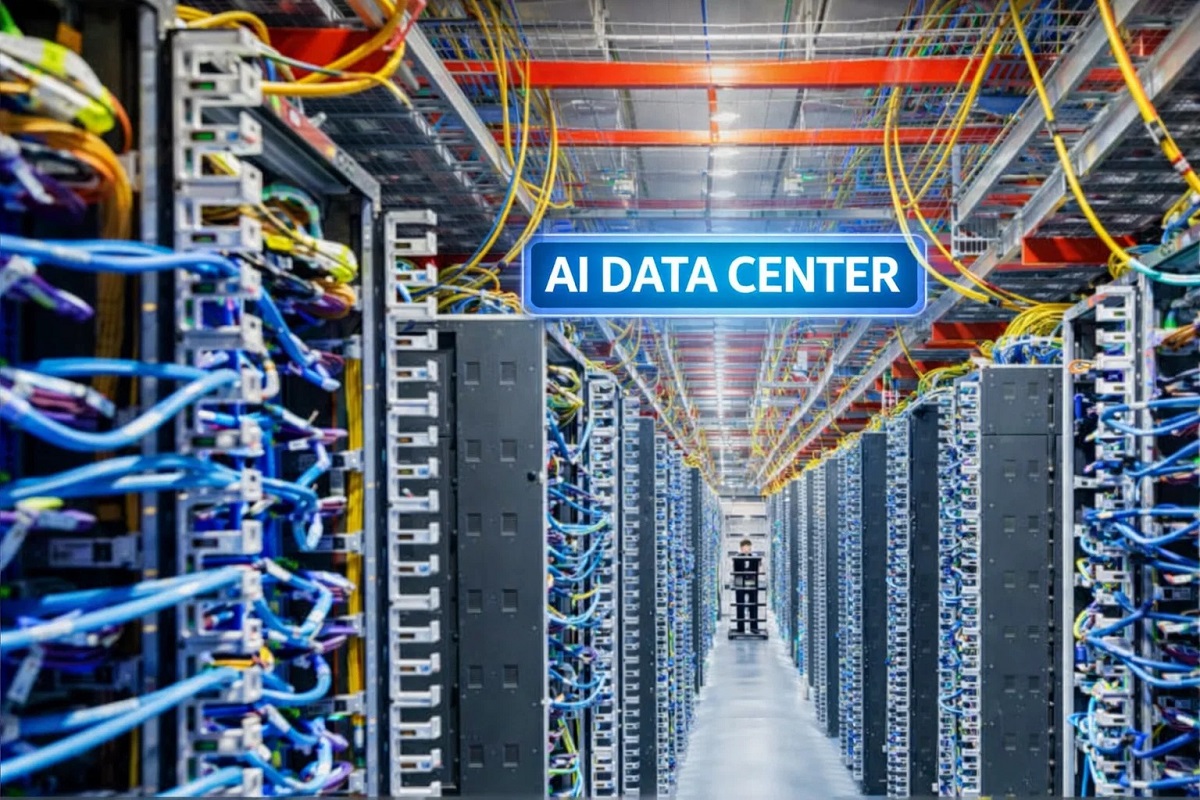
The growing influence of AI leads to conflict between American tech companies and American electricity grid operators.

As the global race for artificial intelligence (AI) intensifies, the conflict between Big Tech companies and electricity grid operators in the US is deepening. The energy demands of the massive data centers driving the AI boom are placing enormous pressure on the U.S. power grid, creating unprecedented strains on energy availability and grid reliability.
According to media reports, big tech companies like Microsoft, Amazon and Google are demanding hundreds of gigawatts of additional power capacity for their hyperscale data centers. These data centers are the backbone of cloud computing and training AI models and require huge amounts of power around the clock. However, the US power system is struggling to meet this rapidly increasing demand due to aging grid infrastructure and a slow pace of investment.
To bridge the growing gap, grid operators have put some tough options before the tech companies. One of these proposals is “Bring Your Own Generation”, under which companies will have to add separate power generation resources to their data centres. This could include small natural gas plants, innovative energy projects or even nuclear microreactors so they are not completely dependent on the public grid.
Under another controversial proposal, tech companies could be given early connections to the grid with conditions, but the power supply to their data centers could be temporarily cut to avoid blackouts at times of peak demand.
The conflict is particularly acute in areas covered by PJM Interconnection, which supplies electricity to 13 US states, including Pennsylvania, Virginia and Ohio. Apart from this, the areas of Texas (ERCOT) and Southwest Power Pool (SPP) have also become major centers of data center development. Cheap land and relatively low electricity tariffs in these areas are attracting investment, but the proposed demand far exceeds existing capacity.
Tech companies, in particular, are opposing the proposal for temporary cuts. Uninterrupted power supply is essential for them, as their data centers power sensitive sectors like finance, healthcare and national security, where even a few seconds of disruption can have a serious impact.
“A reliable power grid is essential for data centers, as they rely on continuous and uninterrupted power to support critical operations,” the Data Center Coalition said in a statement. The companies also argue that reliance on diesel generators for backup could run counter to local air quality regulations and environmental goals.
This energy conflict poses a major challenge for economies that are betting their future growth on AI. In the US alone, power demand from data centers is expected to double by the end of the decade. This conflict shows that the pace of technological creation has far outpaced investment in infrastructure.
Unless there are large-scale updates to grid capacity and transmission infrastructure, even state-of-the-art AI systems may be limited by traditional problems like power shortages. At present, hyperscale companies are unwilling to compromise on reliability, while grid operators are under pressure to maintain system stability.
Also read:
BRICS India logo launched: Foreign Minister Jaishankar stressed on facing ‘common challenges’
“Only the nations that are prepared survive.”
Pragya Kendra operator, BJP leader shot dead in Jamshedpur village!

Comments are closed.