
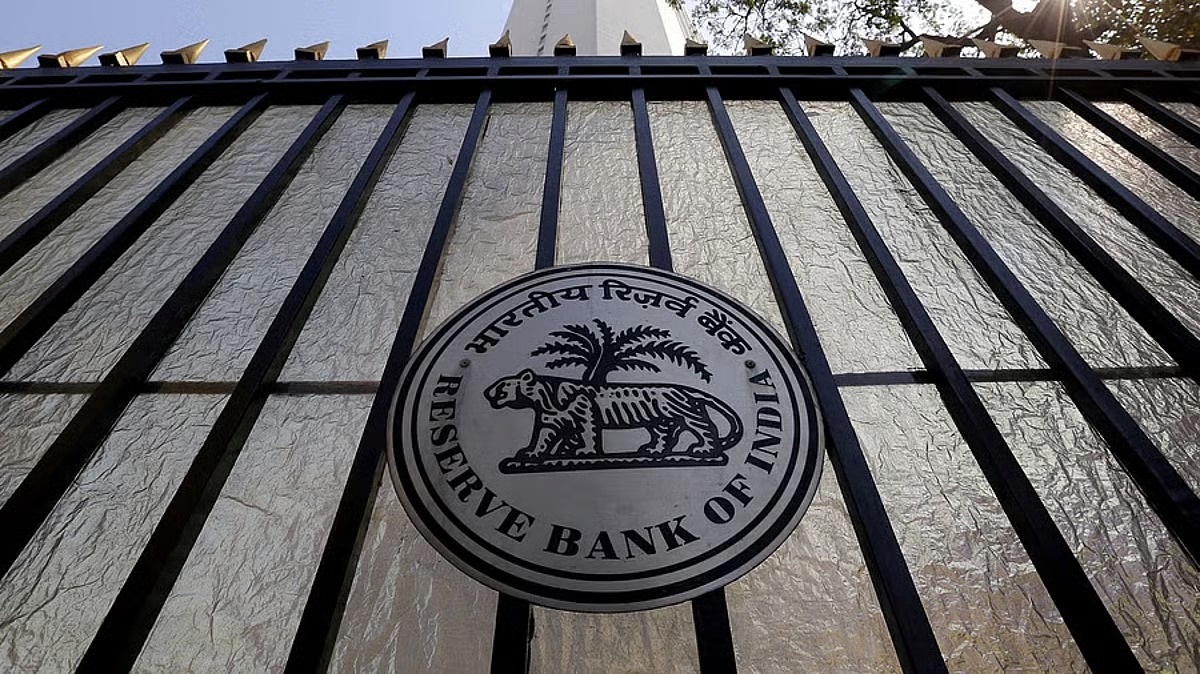

There is ongoing turmoil in global trade due to the whims of the US President. Markets in India and abroad have started ignoring global rules in trade, hence the topic of currency exchange is also becoming hot. Meanwhile, the Reserve Bank of India (RBI) has proposed to link the official digital currencies of BRICS countries to facilitate cross-border trade and tourism-related payments. The news agency has given this information quoting two officials familiar with the matter. According to the report, RBI has recommended that the Indian government include this proposal in the agenda of the BRICS summit in 2026, which India will host later this year.
If the proposal is accepted, it would be the first formal attempt to interconnect the central bank digital currencies (CBDCs) of BRICS member countries. This is considered important at a time when geopolitical tensions have increased globally and many emerging economies are looking for options to reduce their dependence on the US dollar.
The BRICS grouping includes Brazil, Russia, India, China and South Africa as well as recently joined countries like the United Arab Emirates, Iran and Indonesia. The report said that any initiative to implement a digital payment system could come under the watchful eye of Washington, especially because US President Donald Trump has previously described BRICS as anti-American and has also threatened to impose tariffs on member countries.
The RBI, the Government of India and the central banks of several BRICS countries have either refused to comment on the issue or said they have no information to share. This proposal is considered to be an extension of the declaration of the BRICS summit held in Rio de Janeiro in 2025, which encouraged interoperability between the payment systems of member countries to increase cross-border payment efficiency.
India has previously expressed interest in linking the digital rupee to CBDC systems of other countries to speed up international transactions and expand global use of the Indian currency. Although no BRICS member has yet fully launched its CBDC, all major economies are running pilot projects. India’s e-rupee, launched in December 2022, has so far added about 7 million retail users, while China is promoting international use of its digital yuan.
RBI has also enabled features like offline payments, programmability for government subsidies and integration with fintech wallets to drive adoption of E-Rupee. According to officials, making the BRICS digital currency link successful will require a common framework related to technology, governance and settlement of trade imbalances. Differences over issues such as selection of technology platform or dependence on a single country’s platform could slow down the process.
Bilateral foreign currency swap lines between central banks are also being considered as an alternative, so that transactions can be settled on a weekly or monthly basis. This can avoid the kind of imbalance that was seen in the case of Russia, when a large amount of money was accumulated with Russia after imports from India.
The idea of a common currency within BRICS is currently on the back burner, while enthusiasm for CBDCs has diminished somewhat due to the rapid proliferation of stablecoins globally. Indian officials take a cautious stance towards stablecoins. RBI believes that privately issued digital tokens could undermine monetary stability. Recently Deputy Governor T. Rabi Shankar had said that CBDC is a more secure option.
This RBI proposal to add BRICS digital currencies can become the basis of an important financial discussion at this year’s summit, which can set a new direction regarding the methods of trade settlement between emerging economies and the role of the US dollar in the global financial system.
Also read:
Demand for Umbergaon-Talasari four lane road from Union Minister Nitin Gadkari!
Selective targeting of India through tariffs is wrong: Poland!
Fake letter goes viral before Assam elections, Union Minister Sarbananda Sonowal files FIR for forgery

Comments are closed.