
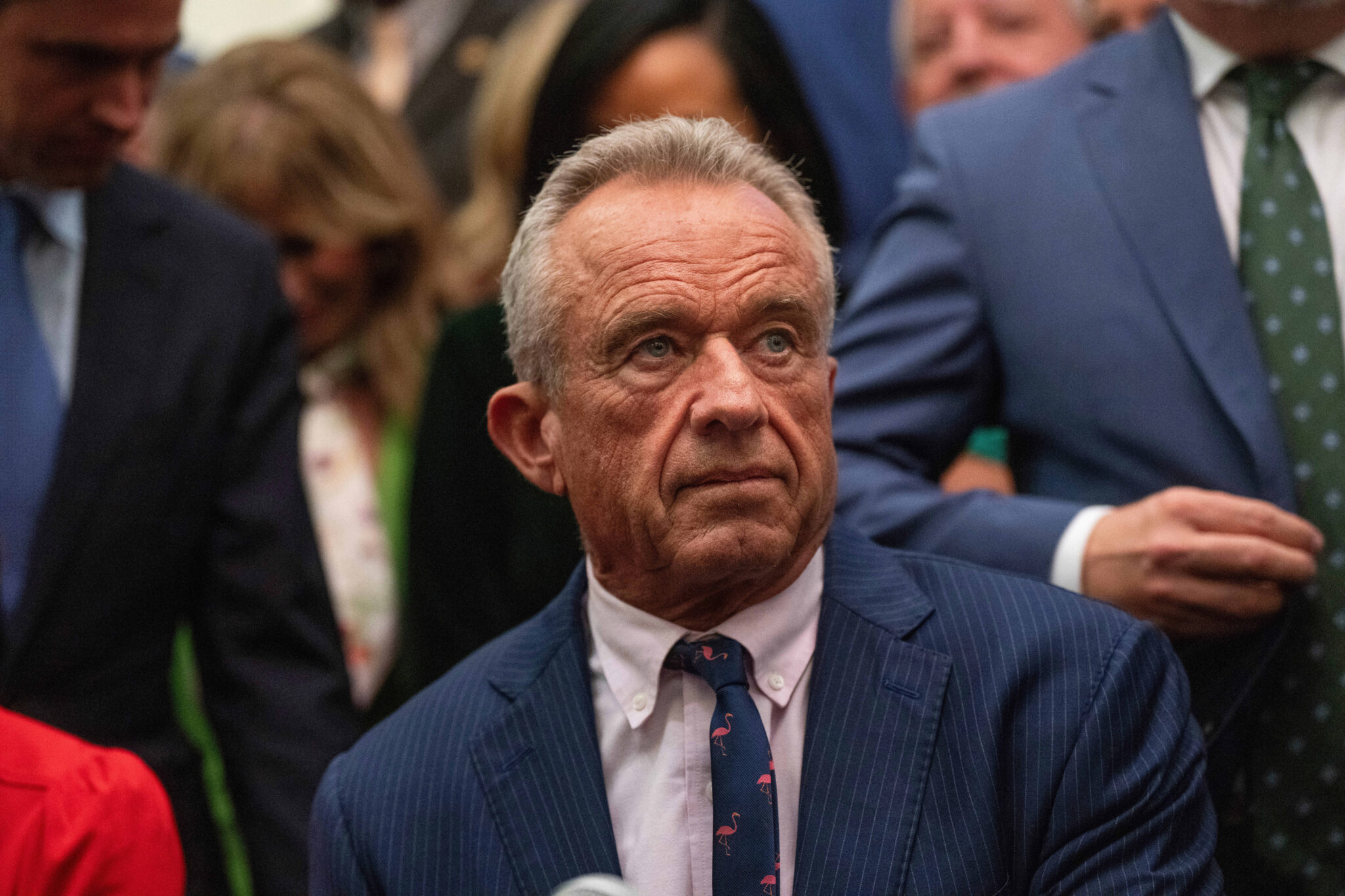

2 Top Aides to RFK Jr. Leaving HHS as Part of Leadership Shakeup/ TezzBuzz/ WASHINGTON/ J. Mansour/ Morning Edition/ Two senior aides to Health and Human Services Secretary Robert F. Kennedy Jr. are departing amid a broader leadership shakeup. Deputy Secretary Jim O’Neill and General Counsel Mike Stuart are expected to leave as the White House restructures HHS ahead of the midterms. The move signals tighter White House control over health policy priorities and messaging.
RFK Jr. HHS Leadership Shakeup Quick Looks
- Deputy HHS Secretary Jim O’Neill expected to exit.
- HHS General Counsel Mike Stuart also departing.
- O’Neill has served as acting CDC director.
- White House reviewing alternative roles for both officials.
- Shakeup tied to midterm strategy and policy realignment.
- Medicare chief Chris Klomp elevated to chief counselor.
Deep Look: 2 Top Aides to RFK Jr. Leaving HHS as Part of Leadership Shakeup
Two top aides to Health and Human Services Secretary Robert F. Kennedy Jr. are preparing to leave the department as part of a significant leadership restructuring, according to multiple people familiar with the plans.
Deputy Secretary Jim O’Neill and HHS General Counsel Mike Stuart are both expected to step down from their roles in the coming weeks. Administration officials have discussed potentially offering them other positions within the federal government, sources said.
The departures come amid a broader effort by the White House to tighten control over HHS priorities and sharpen its public messaging ahead of the midterm elections, where health care is expected to play a central role.
O’Neill’s Role and Controversy
O’Neill has been the second-in-command at HHS under Secretary Robert F. Kennedy Jr. and has also served as acting director of the Centers for Disease Control and Prevention following the removal of Dr. Susan Monarez in late August.
Despite lacking a formal medical or public health background, O’Neill was appointed to lead the CDC on an interim basis. Before returning to HHS, he served as CEO of the Thiel Foundation and worked as an investment manager at Clarium Capital. He previously held a role at HHS during the George W. Bush administration.
Within the department, O’Neill has been viewed as a polarizing figure. He helped amplify concerns about vaccine safety and Medicaid fraud and publicly supported the United States’ withdrawal from the World Health Organization. Critics inside and outside the agency questioned his communication style and leadership approach.
One person familiar with internal discussions described O’Neill as having struggled to find a consistent footing within the department and as facing challenges in serving as an effective public spokesperson.
HHS has not publicly commented on the departures, and the White House did not immediately respond to requests for comment. Politico first reported the planned exits.
Broader Strategic Realignment
The leadership shakeup reflects a larger recalibration at HHS driven by Trump administration officials seeking to sharpen the department’s policy focus and messaging.
With the midterm elections approaching, the White House is positioning health care as a centerpiece of its political strategy. Officials plan to highlight initiatives aimed at lowering prescription drug costs, encouraging healthier lifestyles and pursuing additional legislation intended to reduce overall health care expenses.
To execute that strategy, the administration has begun elevating several officials seen as effective managers and communicators.
Among them is Chris Klomp, who leads Medicare and has played a key role in the administration’s drug pricing efforts. Klomp has been named chief counselor at HHS and is expected to oversee daily operations at the department, effectively serving as a de facto chief of staff.
Senior Trump aides reportedly view Klomp and other newly elevated staffers as better aligned with the White House’s messaging and policy objectives.
Internal and External Implications
The departure of O’Neill, who briefly led the CDC during a politically sensitive periodcould signal an effort to stabilize leadership at the nation’s top public health agency. Former CDC officials, speaking anonymously, said O’Neill was rarely present at agency headquarters, though HHS has not confirmed that characterization.
Meanwhile, Stuart’s exit removes another senior official from Kennedy’s inner circle, suggesting the restructuring extends beyond public-facing roles.
The changes underscore the White House’s desire for tighter coordination between HHS and broader administration priorities. As health policy debates intensify — ranging from drug pricing reforms to public health strategy — the department’s leadership structure will likely play a key role in shaping implementation and public perception.
For Kennedy, the shakeup represents both a consolidation of authority and a shift in how HHS may approach communication and policy execution heading into a pivotal election cycle.
More on US News

Comments are closed.