
‘20% Is Too Much, We’ll Be Reasonable’: Iran Fires Back at Trump’s Strait of Hormuz Tariff Demand:

Tensions in the Middle East have escalated into a high-stakes maritime standoff as Iran officially rejects US President Donald Trump’s proposal to slap a steep 20 percent tariff on commercial cargo ships navigating the strategic Strait of Hormuz. Responding sharply to Washington’s aggressive maneuvers, Iranian officials asserted that Tehran remains the legitimate guardian of the vital waterway, while dismissing the proposed American security toll as entirely unreasonable and disproportionate for global shipping lanes.
Tehran Rejects American Security Toll and Claims Guardianship
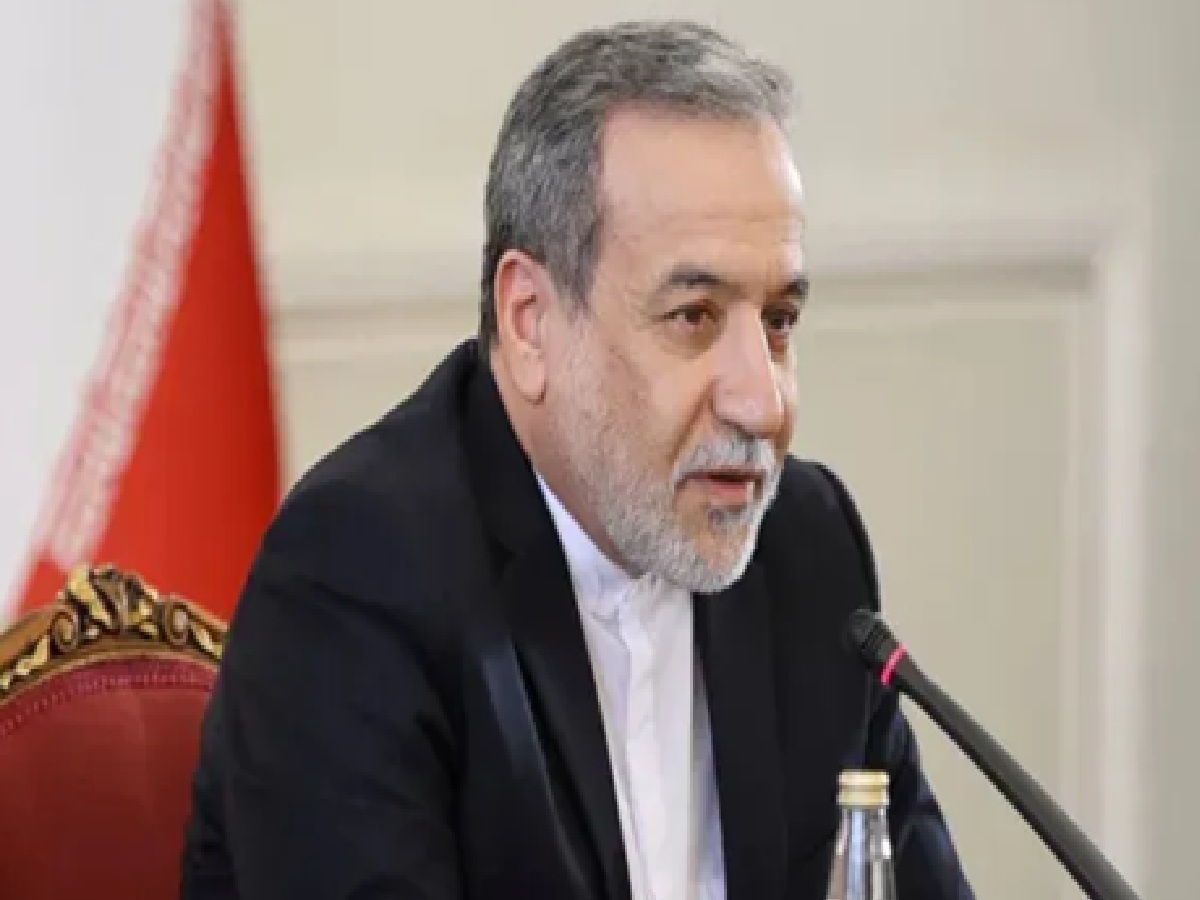
The diplomatic friction intensified after Iranian Foreign Minister Seyed Abbas Araghchi took to social media platform X to mock the White House’s sudden declaration. Acknowledging that entities offering safe passage in volatile maritime corridors deserve compensation, Araghchi made it clear that Iran has historically secured the strait and will continue to do so. Mocking the 20 percent levy put forward by the US administration, the foreign minister quipped that the figure was mathematically absurd and promised that any regional tariff imposed by Tehran would be far more sensible.
US Central Command Restarts Port Blockade Against Iran
This war of words unfolds directly alongside renewed kinetic actions, as the US military moves to reimpose an aggressive naval posture in the region. The US Central Command announced that maritime traffic directly servicing Iranian ports would face a formal suspension and blockade starting Tuesday afternoon. The enforcement strategy mirrors prior restrictions utilized earlier in the spring, signaling that the fragile interim arrangements brokered between Washington and Tehran have completely collapsed despite ongoing backdoor diplomatic channels.
Geopolitical Tug-of-War Over Freedom of Navigation
At the heart of the crisis lies a fundamental conflict of legal and strategic interpretations regarding the vital shipping lane. While the United States insists that international maritime law mandates absolute freedom of navigation through the international waters of the Persian Gulf, Iran points to last month’s short-lived peace understandings to claim sovereign oversight and toll-collecting authority over commercial traffic. With nearly 20 percent of the world’s petroleum supply transiting through this narrow chokepoint, the escalating tit-for-tat between Washington and Tehran threatens to upend global energy markets.

Comments are closed.