

Beyond the carrot patch: surprising foods for sharper sight.
Reviewed by Dietitian Alyssa Pike, RDN
Key Points
- Experts say pistachios, sweet potatoes, spinach and eggs help support your vision.
- These foods help protect eyes from blue light and age-related damage.
- While food choices matter, eye health depends on genetics, age and daily lifestyle habits.
Carrots might get all the credit when it comes to eye health, but your options for supporting your vision are far more vast than the classic orange veggie. A well-balanced diet, rich in specific vitamins and antioxidants, can make a difference in maintaining sharp vision and protecting against age-related eye issues.
Before we dive in though, it’s important to know that there isn’t a single “magic” food that guarantees you’ll have perfect vision. Great eyesight depends on a mix of factors, including genetics, age, lifestyle and even your environment. While no one food can do it all, certain foods can support your eyesight. From leafy greens to surprising nuts, these options are loaded with essential vitamins and antioxidants that your eyes will thank you for. Let’s look beyond the carrot patch and discover other delicious ways to nourish your sight.
Pistachios
Often enjoyed as a simple snack, pistachios are a nutritional powerhouse for your eyes. “Pistachios are an excellent food for vision health,” says Megan Meyer, PhD. What makes them so special? “Pistachios are the only nut that contains lutein, a carotenoid that functions as an antioxidant and protects your eyes from harmful blue light,” Meyer explains.
This is significant because lutein plays a crucial role in preventing serious eye conditions. “A variety of observational studies have found that higher intake of lutein and zeaxanthin is associated with a decreased risk of cataract development and progression to advanced age-related macular degeneration,” Meyer notes. Age-related macular degeneration is an eye disease that affects your central vision and is a leading cause of vision loss in older adults.
A recent study backs up these benefits. “A recent clinical trial found that eating 2 ounces of pistachios daily for 12 weeks significantly improved eye health markers,” she says. Enjoy a handful of pistachios on their own, sprinkle crushed pistachios over yogurt or salads or use them to create a crust for fish or chicken.
Sweet Potatoes
There is another brightly colored veggie that deserves some attention in the eye health-supporting world: sweet potatoes. Sweet potatoes are a source of vitamin A, a nutrient fundamental to vision health. “One medium sweetpotato provides over 100% of your daily value of Vitamin A,” says Sarah Schlichter MS, RD.
This vitamin is not just a number on a nutrition label; it performs several critical jobs to keep your eyes functioning properly. “Vitamin A is important for normal vision function, producing normal eye moisture and making certain pigments to avoid night blindness,” Schlichter explains. A deficiency in vitamin A can lead to dryness and difficulty seeing in low light.
Sweet potatoes are incredibly versatile. Bake them whole, cut them into fries and roast them with a sprinkle of paprika, mash them as a side dish, or add cubes of roasted sweet potato to grain bowls and salads.
Spinach
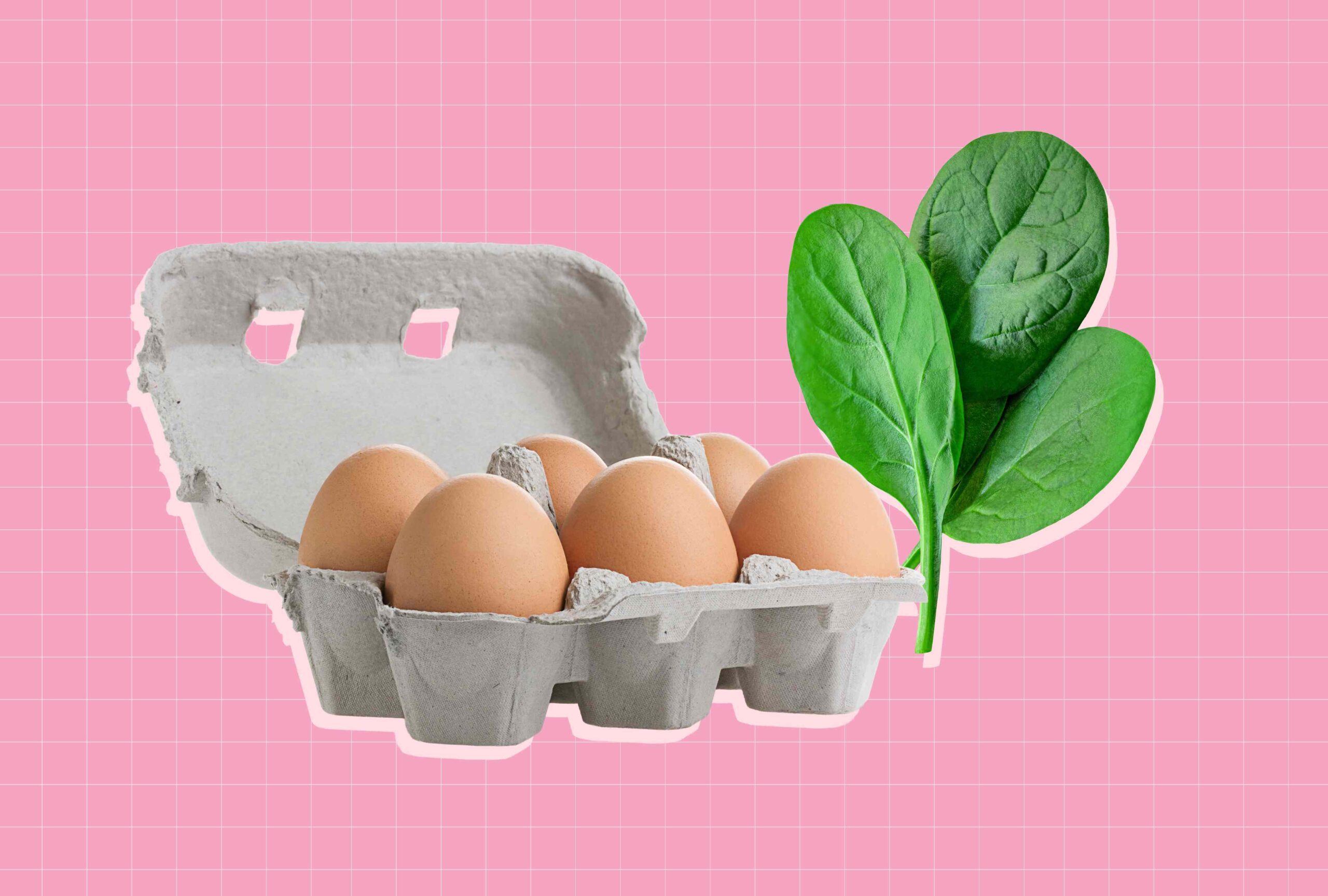
Dark, leafy greens like spinach are celebrated for their health benefits, and eye health is high on the list. “Spinach is rich in lutein and zeaxanthin, carotenoids that accumulate in the macula of the eye,” says Whitney Stuart MS, RD.
The macula is the part of the retina responsible for clear, detailed central vision. The lutein and zeaxanthin in spinach act as a shield for this vital area. “These compounds function as antioxidants and natural blue-light filters, helping to reduce oxidative stress and support visual acuity,” Stuart notes. Protecting the macula from damaging blue light and oxidative stress is essential for long-term vision.
Add a handful of fresh spinach to your morning smoothie or scrambled eggs. Use it as a base for salads, or sauté it with garlic and olive oil for a simple and nutritious side dish.
Eggs
Eggs, particularly the yolks, are another source of eye-protecting nutrients. “Egg yolks are one of the best sources of lutein and zeaxanthin, antioxidants that help protect the eyes,” says Jennifer House MSc, RD.
What makes the nutrients in egg yolks particularly effective is how your body absorbs them. “Because these nutrients are fat-soluble and the yolk naturally contains fat, they’re absorbed especially well,” House explains. This means your body can efficiently utilize these compounds to support the health of your retina and macula. One meta-analysis found that eating eggs daily increased lutein levels in the blood and significantly improved macular pigment optical density (a marker of eye health), both of which are associated with a lower risk of age-related macular degeneration progression.
Eggs are a breakfast staple, whether scrambled, poached or fried. You can also hard-boil them for a convenient snack or slice them into salads and sandwiches.
Other Tips for Better Vision
Diet is an important component of eye health, but it’s not the only one. You can take other simple steps to protect your vision for years to come.
- Have a comprehensive eye exam. A dilated eye exam is the only way to catch common eye diseases like glaucoma, diabetic eye disease and age-related macular degeneration early—often before symptoms appear. It also ensures you’re seeing as clearly as possible with the right prescription.
- Wear protective eyewear. Safety glasses, goggles or eye guards can prevent injuries during sports, work or other risky activities. Look for polycarbonate lenses, which are stronger than regular plastics.
- Wear sunglasses. Protect your eyes from harmful UV rays by choosing sunglasses that block 99–100% of UV-A and UV-B radiation. They’re not just stylish—they’re essential for long-term eye health.
- Give your eyes a rest. Reduce eye strain by following the 20-20-20 rule: every 20 minutes, look at something 20 feet away for 20 seconds. This is especially helpful if you spend long hours on screens.
Our Expert Take
Protecting your vision is a lifelong endeavor that goes far beyond just eating carrots. As our experts have highlighted, incorporating certain foods may help shield your eyes from damaging blue light and reduce the risk of age-related conditions. Pistachios, sweet potatoes, spinach and eggs are stellar sources of these nutrients. By creating a diverse plate filled with these nutrient-dense foods, you give your eyes the support they need to stay healthy. Combined with lifestyle habits like wearing sunglasses and taking screen breaks, a thoughtful diet is a great investment in your long-term vision.

Comments are closed.