
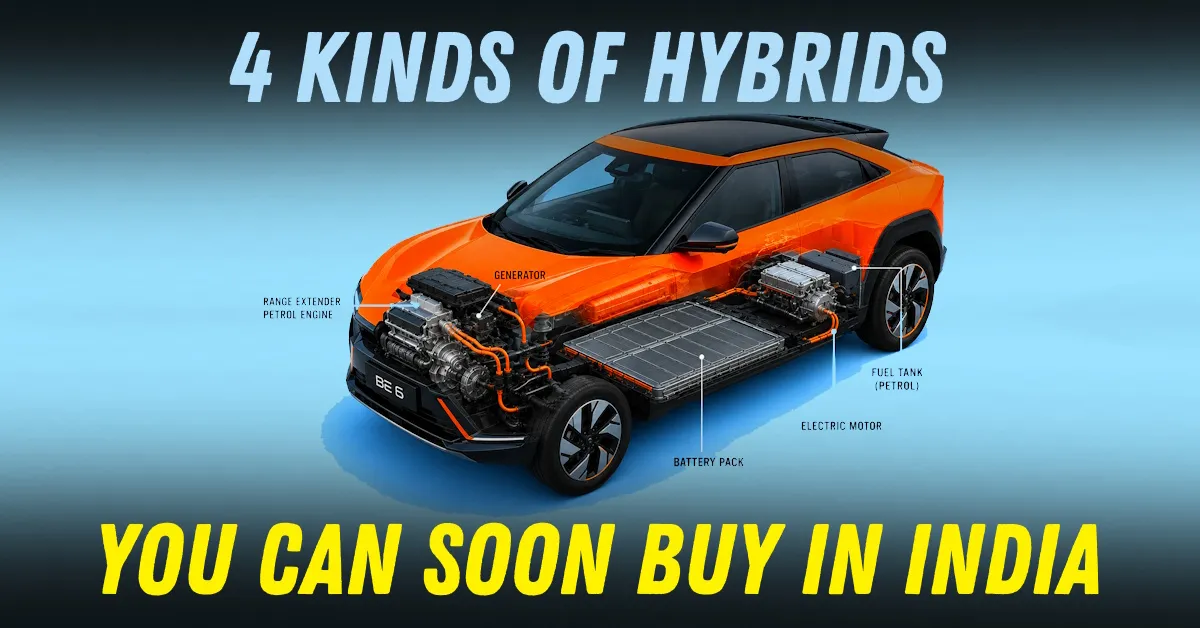

The popularity of electric vehicles in India is growing, and that is the reason why we see many brands working on new electric vehicles. Along with pure electric vehicles, hybrid vehicles are also gaining popularity in India. They are actually a great and eco-friendly choice for those who do not want the hassle of charging a vehicle and also do not want to deal with range anxiety. Currently, mild-hybrid and strong-hybrid vehicles are available in India. However, this is expected to change soon, and customers could choose from four types of hybrid vehicles in the Indian market.
Mild hybrids are probably the most affordable and popular type of hybrid cars available in India. This technology uses a petrol engine, a small electric motor or generator, and a small battery, generally a 12V or 48V unit. The electric motor in a mild-hybrid vehicle cannot work independently. Its job is to assist the engine during acceleration and start-stop operations. It also reduces the stress on the engine at low speeds.
These systems are usually integrated as an Integrated Starter Generator (ISG) or Belt Starter Generator (BSG), and the wheels are always powered by the engine.
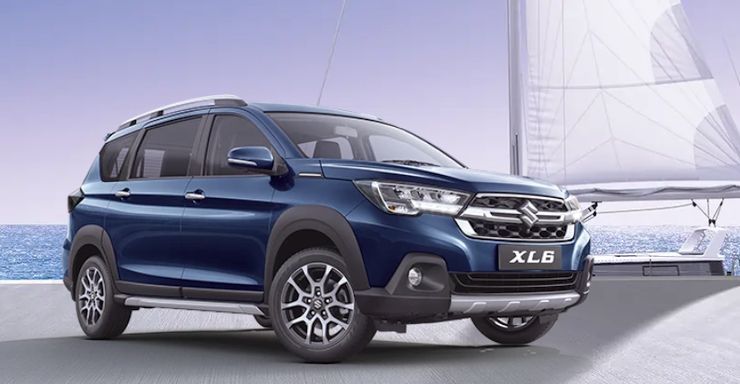
Manufacturers introduced mild hybrids in the market around 2015–17 to take advantage of FAME incentives and excise-duty benefits for hybrid vehicles. Later, the government noted that mild hybrids did not deliver any meaningful electrification benefits and that manufacturers were only taking advantage of tax incentives. As a result, the incentives were withdrawn, and mild hybrids lost government benefits.
Most cars from Maruti Suzuki offer a mild-hybrid system. Some of the popular models include the Brezza, Ertiga, XL6 and Grand Vitara.
The second category of hybrid cars available in India is strong hybrids. A strong-hybrid vehicle includes a petrol engine, one or two electric motors, a high-capacity battery, and a dedicated hybrid transmission. Unlike mild hybrids, the car can be driven as a pure EV for short distances. Both the engine and motor can power the wheels.
It also offers regenerative braking, which charges the battery, and the engine can switch off completely in traffic, helping improve fuel efficiency. The strong-hybrid system is also referred to as a self-charging hybrid, as the battery charges automatically while the vehicle is being driven.
Strong hybrids are a sensible option for those who drive mostly in heavy traffic conditions. The traffic allows the vehicle to be driven more often in EV mode, and regenerative braking works well in cities. The main advantage here is that you do not have to charge the vehicle like an EV. Strong hybrids are extremely efficient, and depending on the model, the vehicle can return anywhere from 20–28 kmpl.
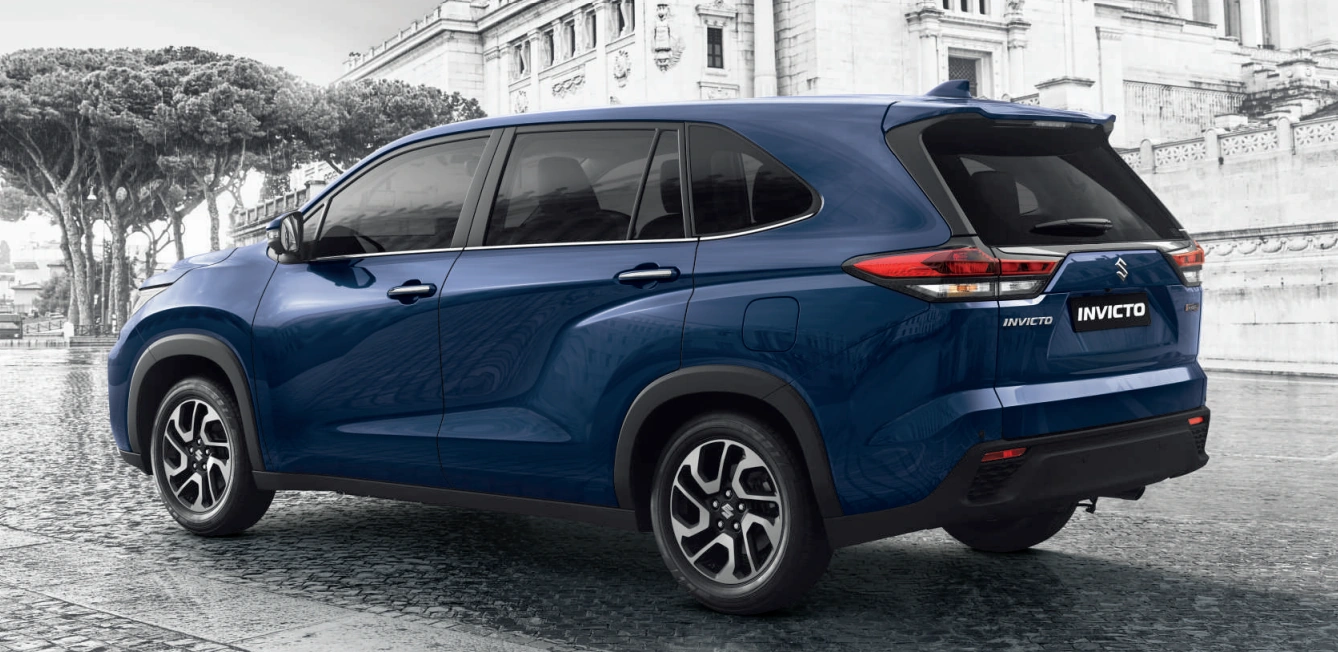
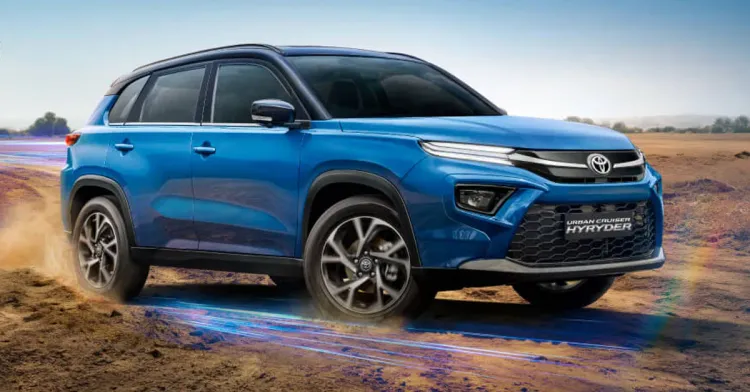
The Toyota Hycross, Maruti Suzuki Grand Vitara, Maruti Invicto, and Toyota Hyryder are some of the strong-hybrid vehicles currently available in India.
While the first two hybrid systems are already available in the market, the third one is yet to be launched. This is called a series-hybrid system. In this setup, an electric motor powers the wheels, while the petrol engine works as a generator. It generates electricity to charge the battery that powers the electric motor.

Unlike strong hybrids, series-hybrid vehicles behave like pure electric vehicles with a built-in generator. The main benefits of a series-hybrid vehicle include a smooth EV-like driving experience, instant torque, and an engine that always runs at optimal efficiency.
The Maruti Suzuki Fronx is likely to be the first vehicle to get this hybrid technology. The crossover SUV is expected to replace the existing K12N engine with a 1.2-litre Z12E three-cylinder petrol engine. This engine will act as a generator and will only be used to generate electricity for the battery pack. The vehicle will be powered by an electric motor, and reports suggest it could deliver a fuel efficiency of up to 35 kmpl.
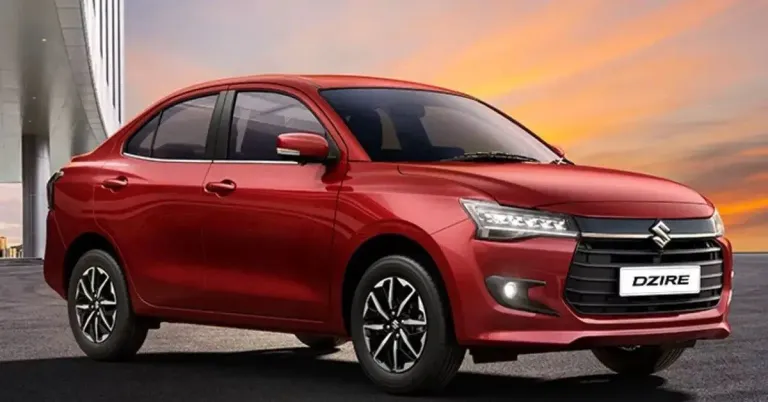
The same technology is expected to make its way to other Maruti Suzuki models in the future that use the Z12E-series engine.
The fourth type of hybrid vehicle is the PHEV, or plug-in hybrid vehicle. The plug-in hybrid system combines hybrid technology with EV-charging capability. A plug-in hybrid vehicle includes a petrol engine, a large battery pack, one or two electric motors, and an external charging port.
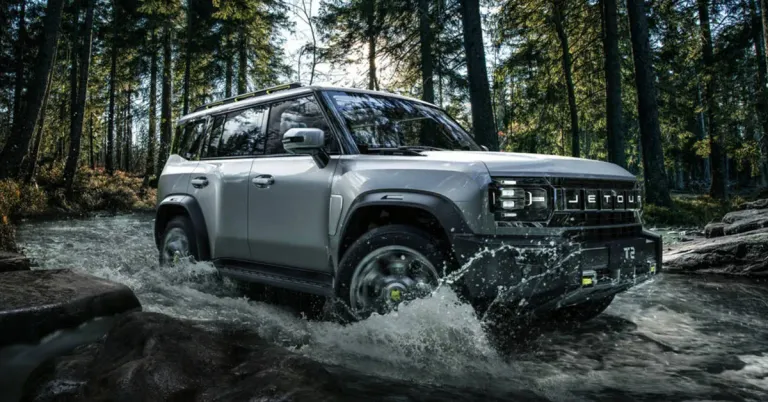
The key difference is that the battery can be charged from a wall socket or charger. This capability is not available in either strong hybrids or series hybrids. Most plug-in hybrid vehicles can be driven for around 50–120 km purely on electricity. This means many owners could complete their daily commute without using the engine at all.
The advantage of a PHEV is that the driver does not have to worry about running out of battery charge, as the vehicle can seamlessly switch to the engine and continue the journey.
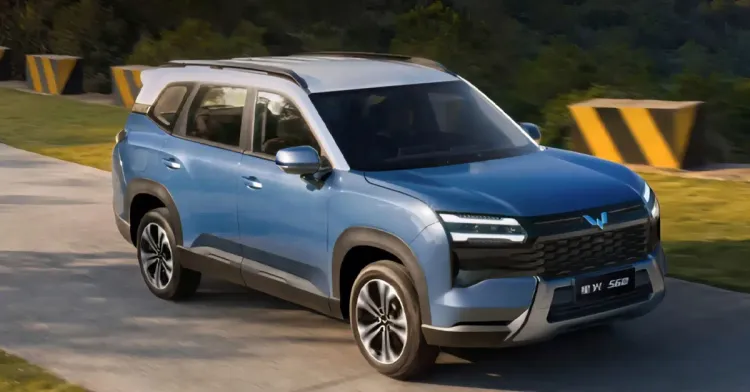
While PHEVs are available internationally, they are not yet available in the Indian market. Many brands have already announced that they will bring this technology to India this year. One of the first vehicles is expected to be the JSW Motors Jetour T2 plug-in hybrid SUV. This vehicle is expected to feature a 1.5-litre turbo-petrol engine with dual electric motors, a dedicated hybrid transmission, and intelligent AWD capability. It is also expected to offer a pure-electric range of 139 km.
Apart from this, MG is also expected to launch its version of the Wuling Starlight 560 PHEV in the Indian market.
Comments are closed.