
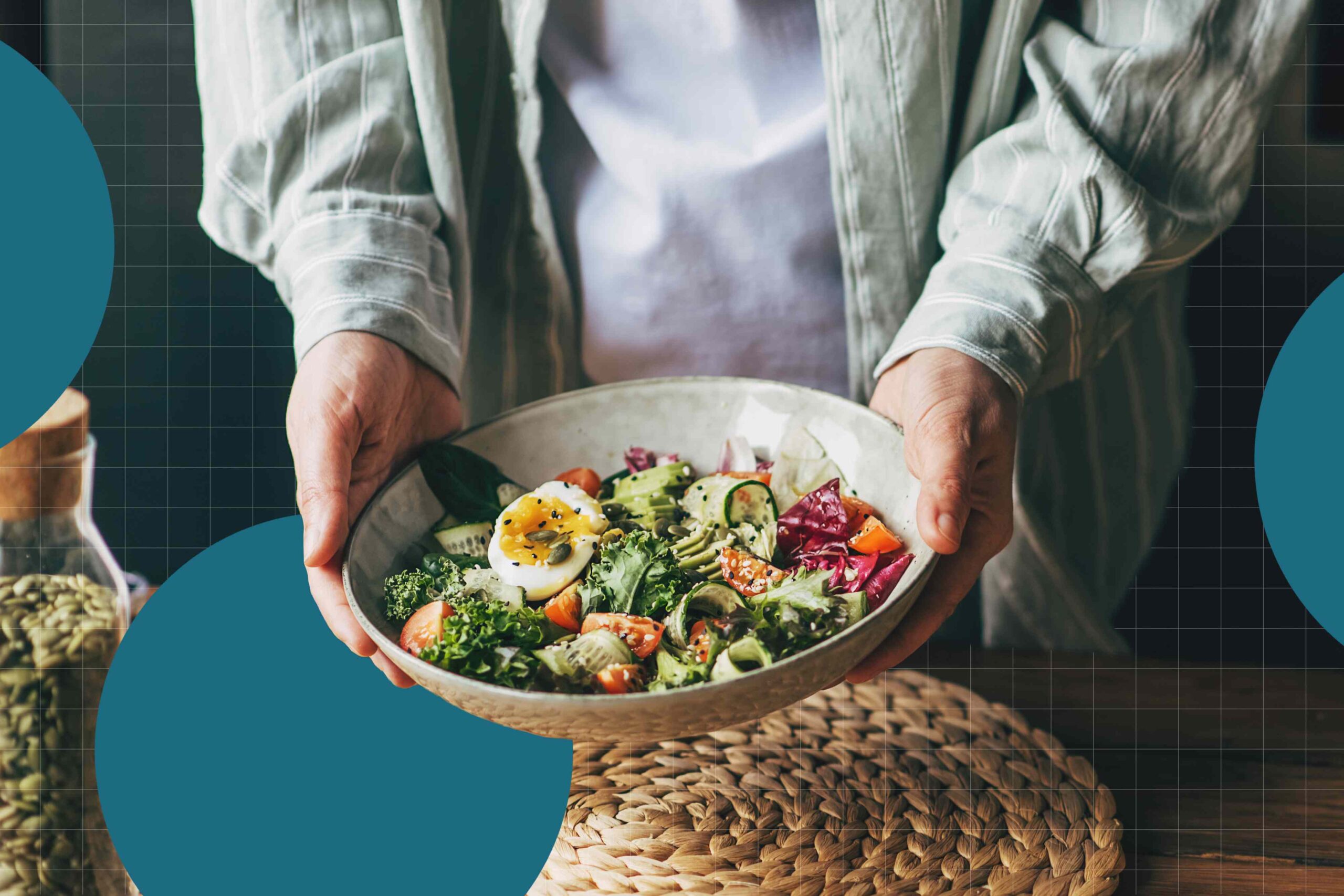

What you do every day plays a quiet but powerful role in protecting your health.
Reviewed by Dietitian Mandy Enright, M.S., RDN, RYT
Key Points
- Stroke occurs when blood flow is restricted to the brain due to plaque buildup in the arteries.
- Almost 80% of strokes are preventable by managing blood pressure, cholesterol and lifestyle.
- Other prevention habits include prioritizing sleep, reducing stress and moderating alcohol intake.
A stroke is a terrifying, life-altering event and chances are someone you know has been affected by one. The most common type of stroke, called an ischemic stroke, occurs when plaque builds up in the arteries, causing them to narrow and restrict blood flow to the brain. Without a steady supply of oxygen-rich blood to the brain, our brain cells can begin to die.
The positive news is that up to 80% of strokes are preventable, and cardiologists say there are four things you can do to reduce your stroke risk. “People should think of stroke risk as something that builds quietly over time through factors like blood pressure, lifestyle habits, and underlying health conditions, rather than a sudden, unpredictable event,” says Catherine Campbell, MD.
Here are the four things cardiologists say to do to reduce your stroke risk.
1. Manage Your Blood Pressure
“High blood pressure, or hypertension, is the single most important and controllable risk factor for stroke,” says cardiologist Brett A. Sealove, M.D., FACC. “It damages and weakens arteries throughout the body, making them more likely to rupture or become clogged, which can lead to a stroke.” Aiming for a target blood pressure of less than 130/80 mm Hg is recommended to reduce the risk of stroke and other cardiovascular events, he explains.
Only 1 in 4 adults with hypertension has it under control. The upside is that blood pressure can be lowered and managed through lifestyle changes like following a low-sodium heart-healthy diet, engaging in regular exercise and adhering to any prescribed medication. Cardiologists also recommend investing in a home blood pressure monitor. “Know your numbers and check your blood pressure at home. This can help you and your doctor see if your lifestyle changes and medications are working,” adds Sealove.
2. Control Your Cholesterol
High levels of low-density lipoprotein (LDL) cholesterol–often called “bad” cholesterol–contribute to the buildup of fatty deposits or plaque in the arteries, a condition known as atherosclerosis, explains Sealove. “This plaque can narrow the arteries leading to the brain or rupture, leading to a blood clot that can cause an ischemic stroke. Lowering your LDL cholesterol helps to slow or even reverse this plaque buildup.” The target is to keep LDL below 100 mg/dL, and for those at higher risk or who have previously had a stroke, new guidelines recommend keeping your LDL below 70 mg/dL.
The good news is that the same lifestyle changes that can help lower blood pressure can also positively lower your cholesterol–we call that a win-win! Eating a heart-healthy diet, being active and starting on medication such as a statin are the first steps to lowering one’s cholesterol, say cardiologists.
Making healthier swaps in the kitchen is a great place to start, according to Sealove. Use heart-healthy options like olive oil or avocado oil in place of butter. Swap meat for plant-based proteins like beans or lentils once a week. Instead of salty potato chips or crackers at snack time, choose unsalted nuts and a piece of fruit. Over time, small changes can make a difference and help lower your cholesterol.
3. Move Your Body Regularly
Looking for something free you can do to lower your risk of stroke? Cardiologists say move more. “Physical activity helps maintain your heart and blood vessel health by lowering blood pressure, raising ‘good’ HDL cholesterol, helping you stay at a healthy weight, and controlling blood sugar, all of which lower stroke risk,” says Campbell. Research shows people who are active have up to 34% lower risk of hemorrhagic stroke and 21% lower risk of ischemic stroke.
Aim for about 30 minutes of activity most days and remember that shorter bursts during the day still count, she says. “A quick way to make this stick is to break it into small chunks, like a 10-minute walk after meals or standing up and moving every hour.”
4. Eat a Heart-Healthy Diet
“The Mediterranean diet has been shown to significantly reduce stroke risk and emphasizes high intake of fruits, vegetables and whole grains, healthy fats from olive oil and nuts and lean proteins, specifically fish and poultry, while limiting red meat and processed sugars,” says cardiologist Sarah Alexander, MD, FACC. One study following women for over two decades found that those who closely followed a Mediterranean diet had a 25% lower risk of stroke.
The DASH diet, which stands for Dietary Approaches to Stop Hypertension, is another heart-healthy eating pattern worth considering. It emphasizes a high intake of potassium-rich foods like fruits and veggies and a lower intake of sodium-rich foods. Research shows that those who followed the DASH diet significantly reduced systolic blood pressure by up to 4.6 mmHg and diastolic blood pressure by up to 1.1 mmHg, says Campbell. Other studies show that individuals with high heart disease risk who more closely followed either the Mediterranean or a combo of the Mediterranean and DASH diets known as the MIND diet had a lower risk of total stroke and ischemic stroke.
While it can feel intimidating to start a new diet or overhaul your ways, Sealove recommends adding a serving of veggies or fruit to each meal, rather than focusing on subtracting foods. “This can help you gradually shift to a more plant-forward eating pattern without feeling deprived.” Campbell also recommends swapping refined grains like white bread for whole-grain varieties like whole-wheat bread or brown rice.
Other Tips and Strategies to Reduce Stroke Risk
Cardiologists also provide additional tips and strategies to help manage your stroke risk.
- Quit Smoking or Vaping: It damages blood vessels and significantly increases the risk of stroke, says Sealove. “Quitting is one of the most impactful actions you can take for your cardiovascular health.”
- Prioritize Sleep: Adults should aim for 7-9 hours of sleep for optimal cardiovascular health, says Alexander. Research also shows that both too little sleep and too much sleep can significantly increase the risk of a stroke.
- Drink in Moderation: High or heavy alcohol intake can increase your risk for stroke. “The recommended limit is no more than one drink per day for women and two for men,” says Sealove. Consider opting for a mocktail if you’re being social.
- Reduce Stress: While we can’t eliminate stress entirely, finding ways to reduce stress is important since chronic stress is linked to stroke risk. Sprinkle in yoga, meditation, deep breathing or chatting with a friend into your days for relaxing breaks.
Our Expert Take
There are four things cardiologists say to do to reduce your stroke risk: manage your blood pressure, lower your bad cholesterol, eat a heart-healthy diet and move your body more regularly. Cardiologists also recommend quitting smoking (if you smoke), prioritizing sleep, drinking alcohol in moderation and finding ways to reduce stress. Remember, 80% of strokes are preventable. Starting small and implementing even one new habit per week can make a big impact over time.

Comments are closed.