
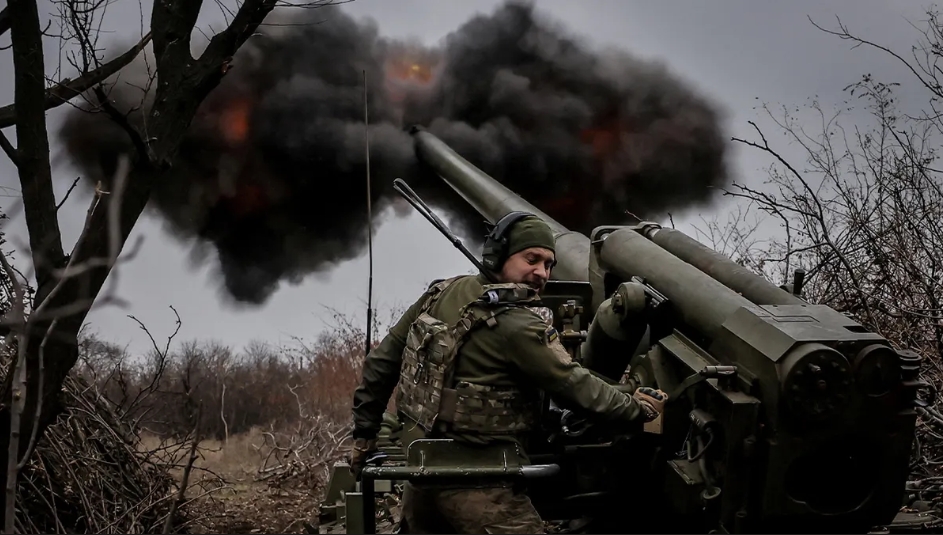

February 24, 2022, marked the fourth anniversary of Russia’s massive attack on Ukraine in 2026, and it entered its fifth year of damage. What Moscow had envisioned as a quick operation turned into Europe’s deadliest conflict since WWII, causing more than 1.2 million Russian casualties (up to 325,000 deaths according to CSIS estimates) and massive Ukrainian losses, leaving millions homeless, and causing widespread devastation.
Russia owns ~19–20% of Ukraine’s territory—including Crimea (in 2014) and ~80% of Donbass—making it a small (~0.8%) gain in 2025 despite higher costs. Frontlines are mostly frozen, with progress slow in Donetsk amid drone/missile war.
US support under Biden totaled ~$175–188 billion (~$66+ billion military); Trump’s 2025 administration turned toward negotiations, halting new aid, while insisting on a June 2026 settlement. India remained neutral—abstaining from UN votes criticizing Russia, increasing oil imports, and offering to mediate Modi’s talks with Putin and Zelensky.
The war completely changed Europe:
1. **NATO strengthened**: Finland and Sweden join, strengthening the Baltic/Nordic flank against Russian threats. European defense spending increased, erasing the benefits of the post-Cold War peace and increasing self-reliance amid US commitments.
2. **Energy Diversification**: EU dependence on Russian gas (once >40%) reduced to ~12% through US/Qatar LNG imports, renewable energy boom, and new infrastructure—sanctions drain Russia’s revenues.
3. **Refugee Crisis**: More than 6.9 million Ukrainians fled to Europe (the most since WWII), putting pressure on Poland, Germany and other countries, but reshaping demographics, labor markets and policies.
4. **Economic changes**: Sanctions isolated Russia economically; Europe suffered inflation but made innovations in supply chains and manufacturing, which reduced dependence on dictatorships.
The conflict has deepened divisions, accelerated arms rearmament, and underlined the need for continued support and diplomacy to secure Europe’s future.

Comments are closed.