
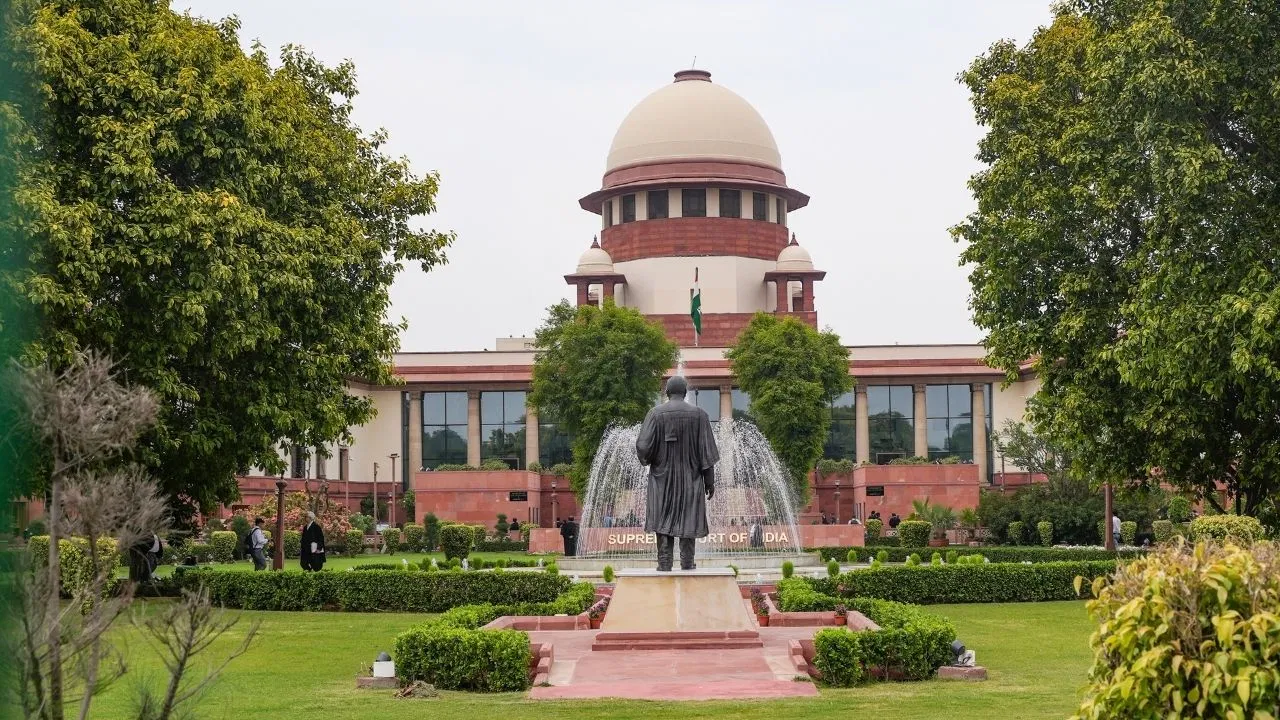
44 ex-judges defend CJI Surya Kant, calling criticism over Rohingya remarks a ‘motivated campaign’

New Delhi: 44 former Supreme Court and High Court judges have stepped forward to defend Chief Justice of India Surya Kant, saying a “motivated campaign” is attempting to discredit him over his recent remarks concerning Rohingya refugees. The group said the criticism directed at the Chief Justice had crossed a line and appeared aimed at maligning the judiciary and attaching political motives to judicial proceedings.
Retired judges close ranks around CJI amid rising criticism
In an open letter and statement titled ‘Disparagement of the Supreme Court is Unacceptable’, the retired judges voiced concern that ongoing attacks were distorting facts and misrepresenting the intent behind the CJI’s comments during a recent hearing.
According to the statement, CJI Surya Kant had merely raised a legal question about the status being claimed before the Court regarding Rohingya refugees, and such a question was a necessary part of the judicial process. They said no determination of rights could be made without first establishing who had granted the status being asserted.
SC’s position on human rights clarified
The retired judges said critics had conveniently ignored an important part of the Bench’s observations. They noted that the Bench has made it clear that no human being — whether an Indian citizen or a foreign national — can be subjected to torture, disappearance or inhuman treatment.
They also reiterated that Rohingya migrants in India do not fall under any statutory refugee protection system because India is not a signatory to the 1951 UN Refugee Convention or the 1967 Protocol. The rights and obligations of foreign nationals, they said, must therefore be understood through India’s Constitution, domestic immigration laws and broader human-rights principles.
Judges warn against undermining judicial scrutiny
In a sharp warning, the retired judges said efforts to twist constitutionally mandated judicial questioning into allegations of prejudice or bias carry serious consequences for the judiciary’s independence. If every query on nationality, migration or documentation is turned into a personal attack, they argued, courts would struggle to perform their constitutional role.
They stressed that while fair criticism of court proceedings is healthy in any democracy, misrepresenting judicial reasoning and attributing political motives where none exist risks eroding trust in the justice system.

Comments are closed.