
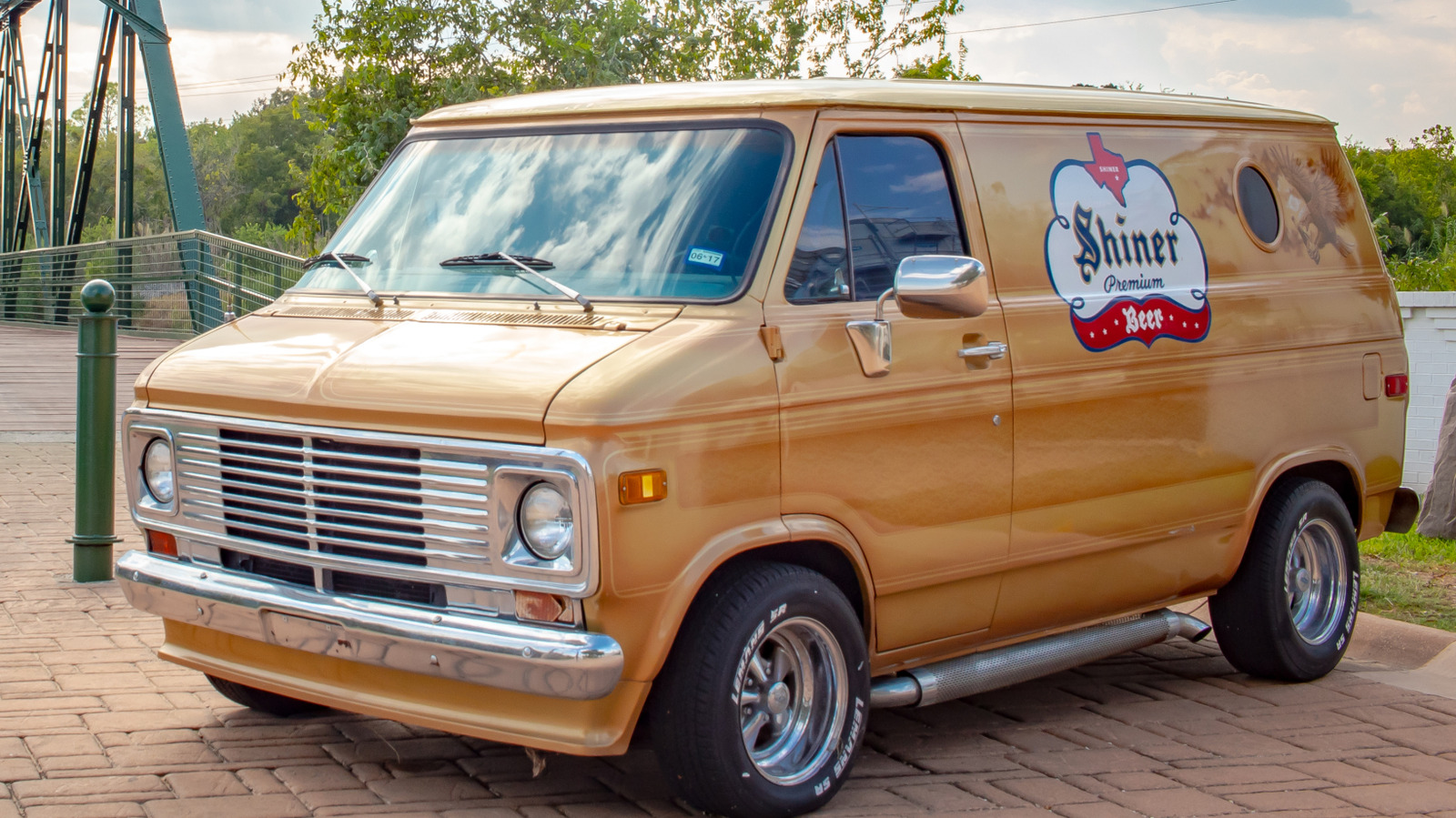

Even if the 1970s weren’t necessarily considered the peak of automotive performance or vehicle quality, the decade gave us a whole list of memorable vehicles, ranging from lowly Ford Pintos and early Honda Civics to extravagant Pontiac Trans Ams and T-top Corvettes. Today’s enthusiasts still love classic cars from the ’70s, but equally memorable are some of the era’s popular vehicle modifications.
As cars themselves evolved during the second half of the 20th century, each decade brought its own unique modifications and customization trends, and the ones popularized during the ’70s were quite distinct from the trends that came before and after. One could even argue that the emissions rules, fuel shortages, lower horsepower numbers, and the general malaise of the ’70s may have made some owners overcompensate with over-the-top modifications.
From custom wheels and interior accessories to performance parts — or at least parts that gave the appearance of performance — you’d find these modifications not just on the popular muscle cars of the time, but on pickup trucks, vans, and even on imported compact cars. Below, we’ve highlighted five popular and distinctly ’70s vehicle modification trends that helped define the era. Opinions will probably differ on how some of these parts and trends have aged, but they certainly stood out then — and still do today.
Side pipes
From an engineering standpoint, the exhaust system is an integral part of a vehicle, but for enthusiasts, it’s so much more than that. Yes, there’s the obvious sound factor, but the visual design of an exhaust can be equally important to gearheads, whether it’s on a factory setup or an aftermarket exhaust system. When it comes to exhaust mods in the ’70s, big side pipes were the hot thing, running down the length of the rocker panels and dumping out in front of the rear tires.
While side pipes were originally associated with purpose-built racing cars, they became trendy in the 1970s — not just on muscle cars and high-performance machines, but on custom vans and 4×4 trucks as well. As an example of just how crazy the ’70s side pipe trend got, the factory-customized Dodge Li’l Red Express pickup truck of 1978 and 1979 took its pipes to a new level, mounting them vertically behind the cab in the style of a big rig.
The side pipe look might not be for everyone, but those looking for a retro setup for their project will be happy to learn they don’t have to go digging through junkyards or vintage auction listings to find side pipes. We wouldn’t quite call it timeless, but this muffler type has enough fans that you can still buy brand new, ’70s style side pipe exhaust systems today.
Fat tires, air shocks, and traction bars
For many, the dominating image of a customized car from the ’70s has a lifted rear end, fat rear tires, and aftermarket traction bars. While some of these modifications had functional performance benefits and were heavily inspired by drag cars, for many drivers, it was more important just to have the race car look.
A car having staggered wheels and tires, is not unique to the 1970s — they’re still found on many performance cars today. In the ’70s though, owners took the big-and-little look to an extreme on their rear-drive vehicles, stuffing in rear tires as big as they could find, even if they stuck out past the fender. To lift the rear end for the needed tire clearance and to give the car a more raked, street machine look, adjustable rear air shocks were commonly used.
Aftermarket traction bars were another big part of the ’70s street machine look. As the name implies, these bars were designed to improve traction by eliminating rear axle hop under hard acceleration. They also became a bit of a style accessory, helping to give the look of a race car, even if the owner never actually went to the drag strip. This also explains the bright, high-visibility colors they were often painted in.
Window louvers
Rear window louvers are one of the more interesting car styling trends that have come and gone over the decades. While they were around before the 1970s and also continued into the ’80s and ’90s, it may have been during the middle and later part of the ’70s that they reached their peak popularity.
Like other modifications on this list, rear window louvers had a function — to reduce both the heat and the glare of direct sunlight in a car’s interior — but their look was what made them especially popular. Some cars in the ’70s offered rear window louvers as a factory option, while many more owners purchased them later on the aftermarket.
We mostly remember these window louvers being used on sleek cars with fastback rooflines like the Ford Mustang and the Camaro/Firebird, but they were also commonly added to the upright rear windows on both vans and pickup trucks. As an interesting throwback, you can get rear window louvers for the newer Dodge Challenger, which were directly inspired by the popular accessory on the ’70s version. Amazingly, the retro louvers look right at home on the modern Dodge, just as they did on the original.
Cassette tape decks
Today, a cassette tape deck in a vehicle can feel like an old-school, classic car novelty, but it’s hard to understate just how much their introduction changed car audio during the ’70s. While car-mounted 8-track tape players had arrived in the 1960s, many drivers still had to make do with a simple radio if they wanted to listen to music in their car.
The arrival of the cassette deck changed all of that. Factory cassette decks began appearing in cars during the mid ’70s, allowing drivers not just to purchase tapes, but to listen to their own recordings. While it took a while for factory cassette tape decks to become standard equipment, for those who owned older cars, aftermarket tape decks quickly became one of the most popular auto accessories of the ’70s. The arrival of the tape deck also helped bring car audio into a new era of high-fidelity sound.
Like the CD players that came after, the idea of having to buy and insert a physical cassette tape might seem archaic to those used to modern Bluetooth streaming and Apple CarPlay. However, if one were building or modifying a vehicle in period-correct 1970s style, a functional tape deck should be high on the list of interior accessories.
Slot mag wheels
In the history of the automotive aftermarket, there might not be one single part more associated with a specific decade than the so-called “slot mag” wheel was with the 1970s. While both the wheel design and name have become ubiquitous, many of the wheels that used this name weren’t actually made out of magnesium. Instead, “mags” would simply become a catch-all term in the hot rod and muscle car world used to describe any sort of aftermarket, aluminum wheel — and this was one of the most popular types.
Slot mag-style wheels were made by many different companies in the ’60s and ’70s, but the original Ansen Sprint is considered the pioneering model, with its lightweight construction and distinct five-hole design. It wasn’t just the wheel design itself that made the slot mag wheel so symbolic of the ’70s, but the wide variety of vehicles you’d see them on.
Slot mags came in all sizes, and were found not just on the expected muscle cars and sports cars but on Volkswagens, 4x4s, custom vans, dune buggies, and even Japanese compact cars. Beyond that, if there are any other doubts about the slot mag being an icon of ’70s car culture, it was the wheel of choice on the world-famous Ford Gran Torino from the “Starsky & Hutch” television show. Like other popular ’70s parts, wheel companies still sell brand new slot mags today — including in sizes updated for modern applications.

Comments are closed.