

9
The surge is being driven by short circuits, overheated appliances, transformer faults and overloaded wiring systems, particularly in densely populated neighbourhoods.
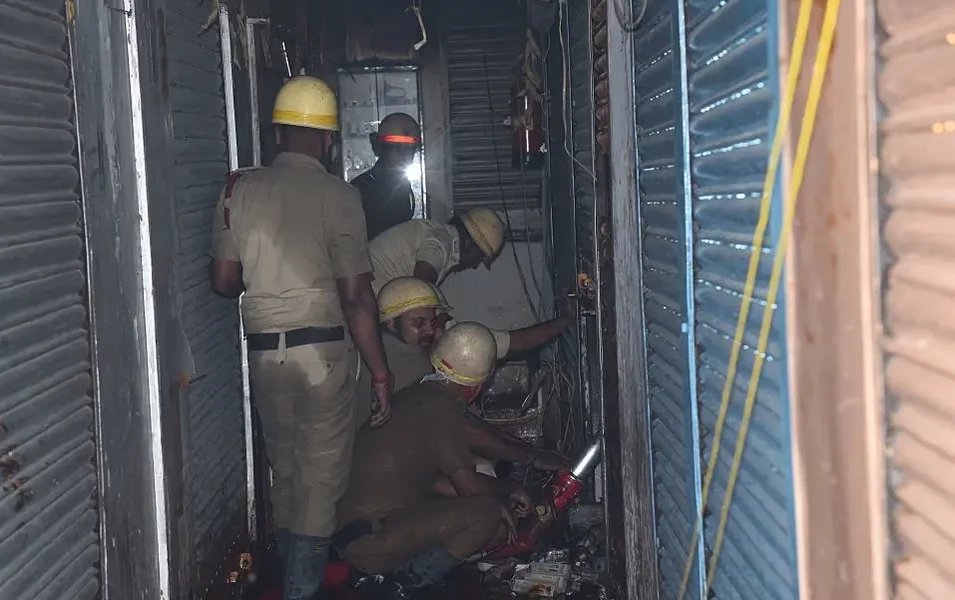
Delhi’s fire services are experiencing one of their most demanding summer periods in recent years, with emergency response teams handling over 7,800 fire-related calls amid rising temperatures and increasing incidents linked to electrical failures in residential and commercial buildings. Officials say the surge is being driven largely by short circuits, overheated appliances, transformer faults and overloaded wiring systems, particularly in densely populated neighbourhoods where infrastructure has not kept pace with rapid urban expansion. The combination of extreme heat and high electricity consumption has further intensified risks across the city.
A senior official from the fire department said the pattern reflects a predictable but increasingly severe seasonal strain.
“Every summer we see a rise in fire calls, but what is concerning this time is the frequency of electrical fire incidents and the speed at which they escalate,” the official said. “Many buildings are simply not designed for the kind of power load they are currently carrying.”
Fire services data suggests that residential areas account for a large proportion of incidents, especially in older colonies and informal settlements where wiring upgrades are either delayed or not carried out at all. In several cases, narrow access roads and congested housing layouts have slowed response times, increasing the difficulty of containment.
Experts say the issue is no longer just seasonal but structural. Rising temperatures are acting as a catalyst, exposing long-standing weaknesses in building safety and electrical infrastructure.
Urban safety expert Dr Sunil Sharma said Delhi’s fire risk is being shaped by a combination of climate stress and poor regulatory enforcement.
“Heatwaves are increasing electricity demand dramatically, but the underlying infrastructure has not been modernised accordingly,” she said. “When you combine ageing wiring, unauthorised connections and overloaded circuits, fire incidents become far more likely and far more dangerous.”
She further explained that regular electrical audits and strict compliance with safety standards are often missing, especially in older residential clusters where informal modifications to wiring systems are common.
A fire safety consultant, engineer Rajat Verma, pointed out that many incidents begin with minor electrical faults that quickly escalate under summer conditions.
“A small short circuit or overheated socket can turn into a major blaze within minutes when temperatures are already high and ventilation is poor,” he said. “The problem is not just the trigger, but the environment in which these faults occur.”
The growing number of emergencies has placed additional pressure on fire crews, who often respond to multiple simultaneous incidents during peak hours. Officials say this sometimes stretches resources thin, particularly when fires break out in different parts of the city at the same time.
Accessibility remains another major challenge. In several areas, fire engines struggle to enter narrow lanes, forcing responders to rely on longer hose lines and manual intervention. This can delay containment and increase property damage.
Urban planners warn that Delhi’s fire risk will continue to rise unless long-term infrastructure upgrades are prioritised. They have called for mandatory fire safety inspections, stricter enforcement of building codes and systematic replacement of outdated electrical systems in high-density zones.
As the capital continues to endure intense summer conditions, the strain on emergency services highlights a broader issue: a city growing faster than its safety systems can adapt. The rising number of fire calls is not just an operational challenge for firefighters, but a warning signal about deeper vulnerabilities in urban resilience and infrastructure planning.

Comments are closed.