
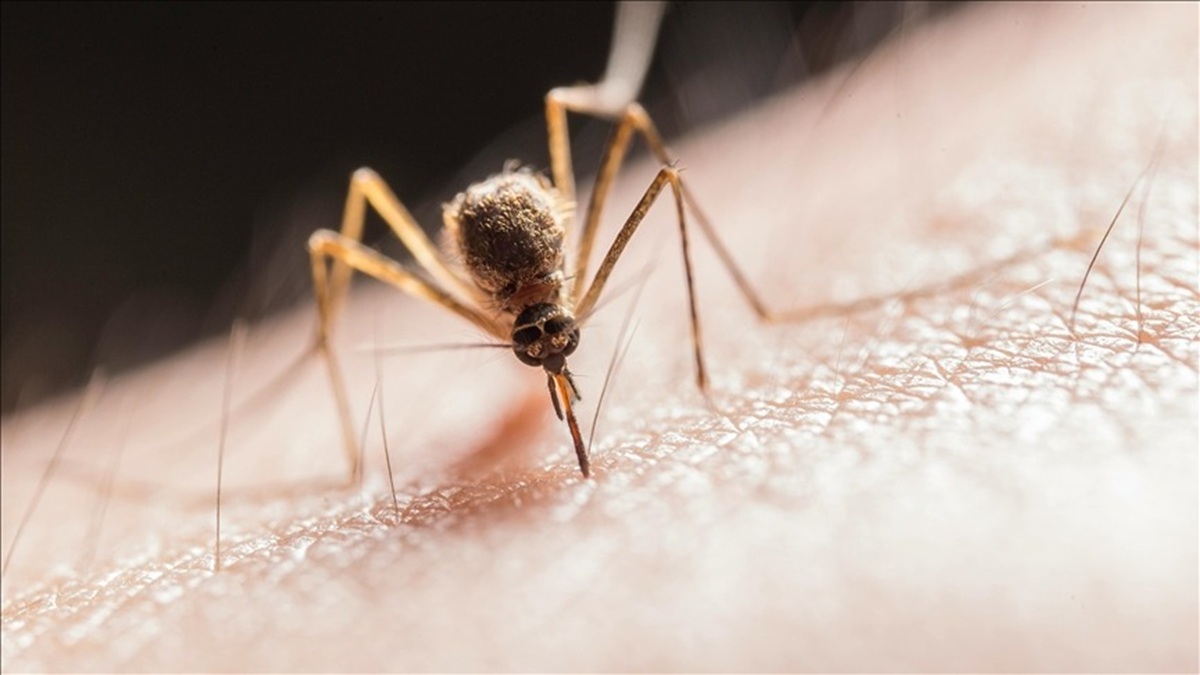

More than 6 lakh people will lose their lives due to malaria in 2024, drug resistance is the main reason: WHO
According to the annual World Malaria Report of the World Health Organization (WHO) released on Thursday (December 4), in 2024, about 282 million people will be infected with malaria globally and 6 lakh10 thousand people will lose their lives. In this, drug resistance has been highlighted as a major threat.
According to the World Health Organization, the vaccine protected about 17 crore people in 2024 and saved the lives of one million people, but this figure was about 90 lakh more than in 2023. It is estimated that 95 percent of these deaths occurred in the African region, most of which involved children under the age of 5.
Of the total cases in the South-East Asia region, 73.3 percent were in India. The death toll due to malaria here was 88.7 percent. The report revealed that not much success has been achieved in reducing deaths due to malaria. Malaria has been at the center of the Global Technical Strategy 2016-2030.
It was reported that antimalarial drug resistance has been confirmed or suspected in about 8 countries in Africa, and there are also possible indications of reduced effectiveness of drugs given in combination with artemisinin. Another threat to efforts to eliminate malaria is the presence of malaria parasites with PHFRP2 gene deletions, reducing the reliability of rapid diagnostic tests, while pyrethroid resistance is reducing the effectiveness of insecticidal bed nets in 48 countries.
Also, Anopheles stephensi mosquitoes, which are resistant to many commonly used insecticides. It has now entered 9 African countries, dealing a major blow to malaria control efforts in urban areas.
Efforts to eliminate malaria have been successful to a large extent. To date, a total of 47 countries and one territory were declared malaria-free by WHO. Cabo Verde and Egypt were officially certified malaria-free in 2024. Georgia, Suriname and Timor-Leste will join this list in 2025.
The report noted that WHO approved the world’s first malaria vaccine in 2021, and 24 countries made these vaccines part of their routine immunization programs. “New approaches to malaria prevention are giving us new hope, but we still face huge challenges,” said Dr. Tedros Adhanom Ghebreyesus, WHO Director-General. “The rising number of cases and deaths, the growing risk of drug side effects, and the impact of funding cuts are all working to roll back the progress we have made over the past two decades,” Ghebreyesus added.
The report also notes other threats, such as extreme weather events—changes in temperature and rainfall—that are contributing to increased malaria cases; Fighting and instability are limiting access to care.
This challenge has been exacerbated by stagnation in global funding over the past decade, limiting access to life-saving interventions. “However, no challenge is insurmountable. With leadership and targeted investment from countries battling malaria, the dream of a malaria-free world is still achievable,” the WHO Chief said.
Also read:
General Asim Munir has retired; Field Marshal has not been appointed yet
India-Russia seal $2 billion submarine deal before Putin’s Delhi visit
‘Radical Islam is a threat to America’ – US Secretary of State’s statement

Comments are closed.