
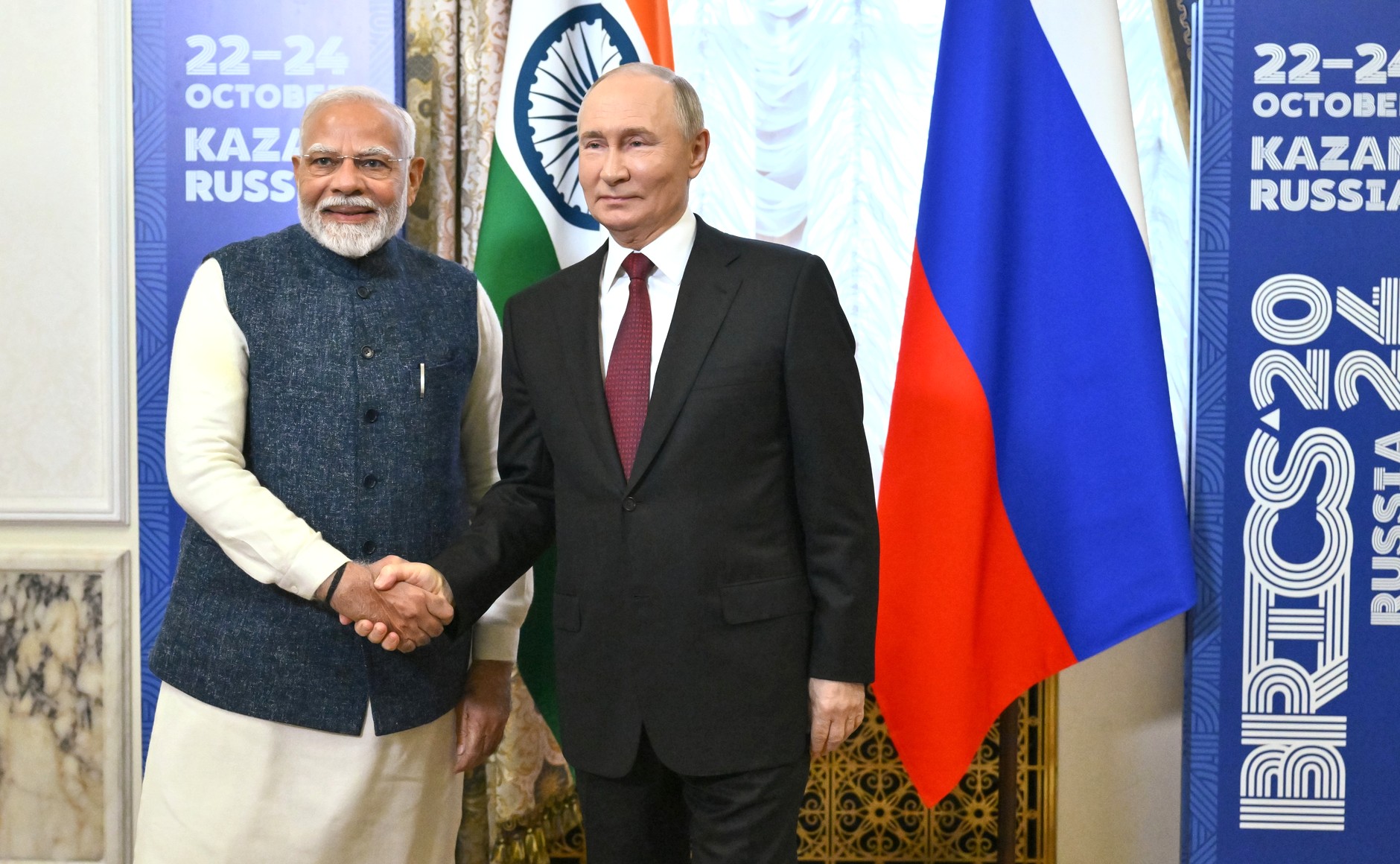
Putin Arrives in India as New Delhi Balances U.S. Pressure, Ukraine Diplomacy and Longstanding Ties with Moscow – Obnews

Russian President Vladimir Putin is visiting India for the first time since the invasion of Ukraine, marking a significant moment for both countries as they navigate shifting geopolitical tensions and renewed pressure from the United States to end the conflict. The two-day trip comes at a time when Washington has imposed tariffs and warned of sanctions over India’s continued dependence on Russian oil, adding new strain to a relationship New Delhi has tried to manage carefully for decades.
Putin’s visit begins Thursday evening with a private dinner hosted by Prime Minister Narendra Modi, followed by a string of ceremonial engagements on Friday, including a guard of honour at Rashtrapati Bhavan and a visit to Mahatma Gandhi’s memorial. The leaders will then hold formal talks at Hyderabad House for the annual India-Russia summit, joined by senior officials and key Russian industry executives, including those from state arms exporter Rosoboronexport and major sanctioned oil companies.
The timing underscores the delicate balance India is trying to maintain. For much of its post-independence history, New Delhi has worked to avoid binding alliances, leaning toward the Soviet Union during the Cold War while gradually building deep military and strategic ties with the United States. Russia’s war in Ukraine has placed unusual pressure on that strategy. Putin’s presence in New Delhi signals an effort by both nations to reinforce their longstanding partnership despite growing global scrutiny.
Defence cooperation remains central to the relationship. Russia accounts for more than a third of India’s arms imports and still supplies much of India’s existing arsenal. New Delhi is considering additional purchases of S-400 air defence systems after using them extensively during its brief air conflict with Pakistan earlier this year. Moscow is also pushing India to consider acquiring Su-57 fifth-generation fighter jets, which Russian officials describe as a top-tier platform that will feature prominently in summit discussions.
Trade, however, is a more complicated story. Since 2022, India’s purchases of discounted Russian crude sent bilateral trade skyrocketing from roughly $10 billion to almost $69 billion, but the imbalance has widened India’s deficit dramatically. Russian crude now faces headwinds as the U.S. expands its sanctions on Russian oil firms and targets countries that do business with them. Major Indian refiners have already begun scaling back their purchases, and New Delhi is increasing its LNG imports from the United States instead.
Despite these shifts, both governments are exploring new avenues for cooperation. One emerging area is labour mobility: Russia is projected to face a significant workforce shortage by 2030, and analysts believe Indian workers may soon help fill that gap, strengthening economic ties in ways less vulnerable to geopolitical pressure.
Still, the backdrop to this summit is defined by Washington. U.S. President Donald Trump has sharply criticized India’s Russian oil imports, imposed escalating tariffs and signalled further penalties if New Delhi maintains its purchases. Analysts say this stance risks undermining U.S. goodwill in India, especially as Trump himself recently met Putin in Alaska while pressuring other nations to cut ties with Moscow.
As India negotiates simultaneous trade deals with the U.S., the European Union and Russia-led blocs, Modi’s government is navigating one of its most complex diplomatic moments in years. A breakthrough in the Russia-Ukraine peace process could ease some of that strain, but with negotiations stalled, the summit will test how effectively New Delhi can preserve its strategic autonomy while managing competing pressures from the world’s major powers.

Comments are closed.