
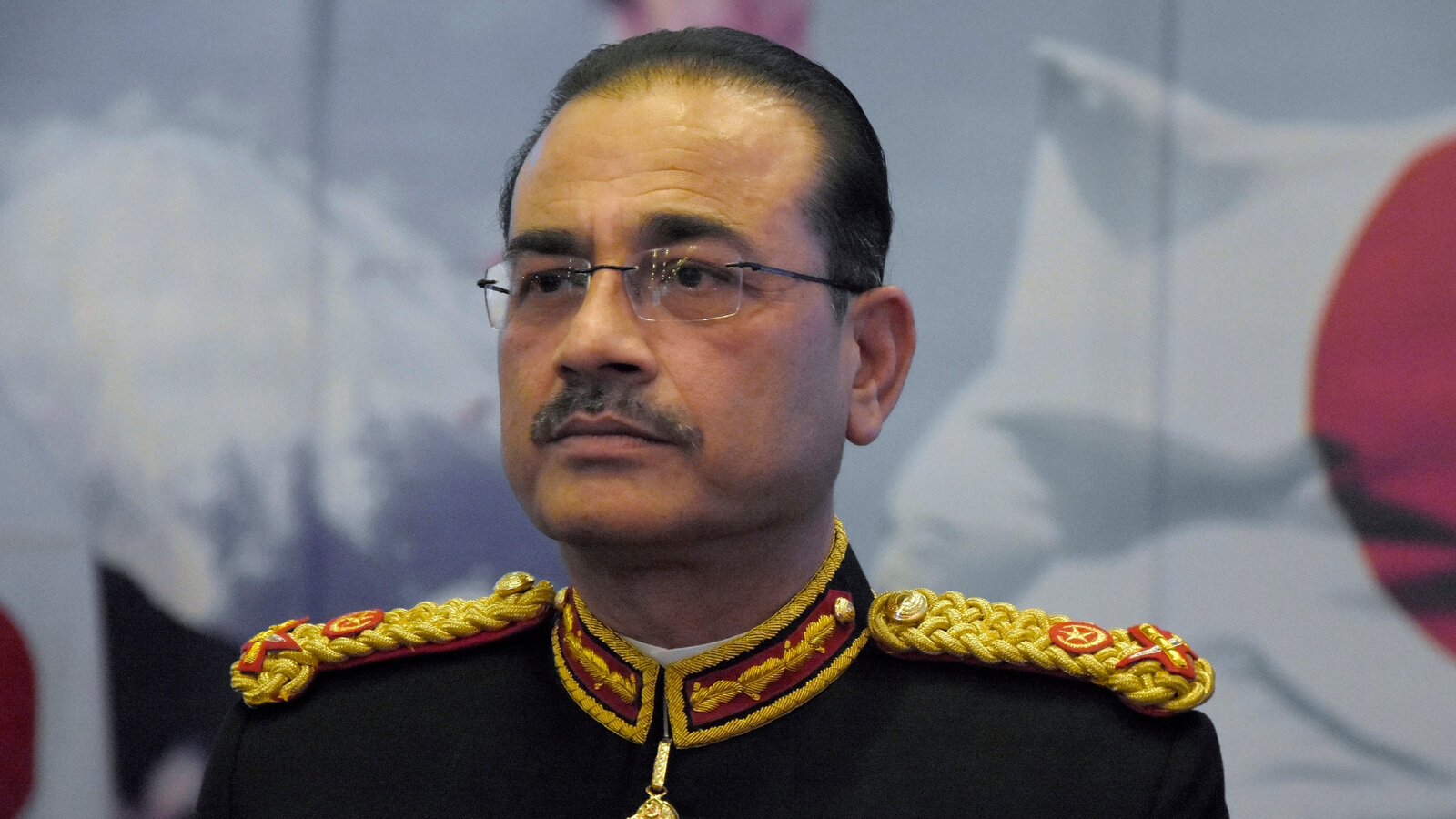
Most powerful general, weak civilian state: Pakistan’s new power equation is a threat to India

After the passage of the 27th Constitutional Amendment in November 2025, which critics have called a “constitutional coup”, the political environment of Pakistan has completely tilted towards military dominance. The amendment makes Army Chief Field Marshal Asim Munir the Chief of Defense Forces (CDF), giving him command over the Army, Navy and Air Force, lifetime legal immunity and oversight of nuclear assets. It also reduces the independence of the Supreme Court by creating a federal constitutional court with judges appointed by the executive, making the judiciary de facto subordinate to the establishment. Two judges resigned in protest, condemning it as “the death knell of an independent judiciary”.
This strengthening adds to the army’s long-standing influence, which has been enhanced by supporting and removing leaders like Nawaz Sharif and Imran Khan. Sharif’s PML-N, once in exile and now recovered, is dependent on military support, while Khan’s PTI—despite a good showing in the 2024 elections—is facing brutal repression. Khan, who has been in jail since 2023 on corruption charges, is in solitary confinement in the “death cell” of Adiala jail, with his family not allowed to meet him for weeks despite court orders. Viral rumors of his death sparked street protests in late November, prompting a brief meeting with the family to confirm he was alive. PTI described the government as “extremely repressive”.
Munir’s stature has soared around the world: following the May 2025 India-Pakistan clashes—which were triggered by the Pahalgam terror attack that killed 26 tourists—he nominated Trump for the Nobel Peace Prize, earning him White House meetings and praise as a “hero.” Still, Pakistan is reeling at home: Border clashes with Afghanistan at the Durand Line in October escalated into airstrikes, sealing the Torkham and Chaman crossings and halting $1.2B of trade. The insurgency continues in Khyber Pakhtunkhwa and Balochistan, with TTP and BLA attacks expected to kill 2,500 people in 2024—the highest in a decade. The economy, which is under pressure from security expenses, is losing $150M+ every month due to the halt in Afghan trade.
For India, this military Pakistan is a danger signal. Experts have warned that Munir’s “hard state” vision—prioritizing force over talks—could encourage cross-border terrorism, similar to the Pahalgam attacks by Pakistan-based JeM and LeT. The recent blasts in Delhi and Islamabad—in which dozens of people were killed—have reignited the blame game, accusing each other of proxy terror. A more unpredictable neighbor poses the risk of escalating tensions along the LoC and instability in Kashmir, requiring India to be cautiously prepared amid volatility in the region.

Comments are closed.