

100
NEW DELHI: The government’s decision to put the revised flight duty time rules (the FDTL norms) on hold, which were formed to ensure safer flying, is more than a brief tactical retreat. It amounts to surrender.
These rules were notified nearly two years ago, following consultations with airlines and safety experts. They were not abrupt instructions but carefully designed fatigue-mitigation measures, aligned with international standards and grounded in decades of evidence about how pilot exhaustion increases operational risk.
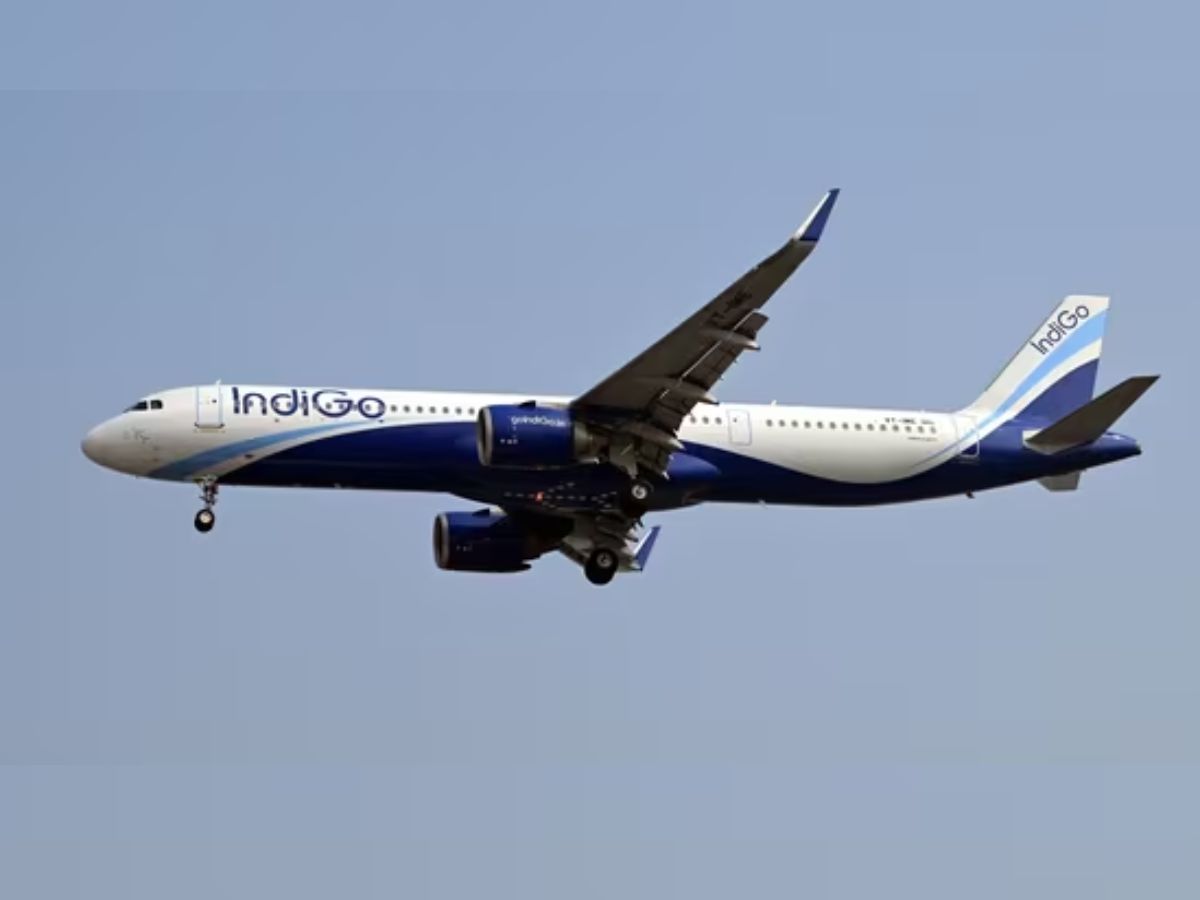
When the deadline for compliance arrived and chaos erupted, flight cancellations across the network, passengers stranded for hours, terminals crammed with distressed travellers, it wasn’t because the rules were excessive or impractical. It was because one airline failed to prepare.
IndiGo had ample time of more than two years to hire more crew, reorganise schedules, recalibrate rosters and meet the safety standards that every carrier operating in a modern aviation market must meet.
Instead, it appears to have banked on the DGCA and the Ministry of Civil Aviation blinking at the last minute. That gamble paid off.
But the responsibility does not end with IndiGo.
Regulators exist to foresee, monitor and prevent precisely such breakdowns. If the DGCA and the Civil Aviation Ministry were taking regular compliance updates from IndiGo, as they should have been, they would have known long ago that the airline was not on track to meet the rules. They could have intervened earlier, required corrective steps or warned the travelling public. If they were not taking such updates, that omission casts the entire aviation oversight system in a very poor light.
Either the regulators knew and did nothing, or they did not know when they should have known. Both possibilities reflect deep institutional failure.
This development has come even as Indian aviation regulators are facing questions regarding the tragic AI 171 crash earlier this year.
The damage is not theoretical. Tens of thousands of passengers suffered delays, cancellations and missed connections because oversight failed and because the airline most capable of meeting the standards chose not to.
Yet instead of holding IndiGo accountable for non-compliance or for the operational collapse that followed, the government suspended the rule itself. The Ministry’s press note frames the move as necessary to “stabilise operations” and “prioritise passenger relief,” but the irony is stark: the disruption was caused by the airline’s own lack of preparedness, and the remedy chosen by the government weakens the very safety measure designed to protect passengers in the first place.
What makes this decision even harder to justify is that IndiGo’s parent company, InterGlobe Aviation, is in excellent financial health. It posted a consolidated net profit of Rs 8,173 crore in FY24 and about Rs 7,258 crore in FY25. These are strong numbers by any standard, especially in a global aviation environment marked by high fuel prices and economic volatility. This is not the profile of a company that lacked resources to hire more pilots or build slack into its crew rosters. It is the profile of a company that chose not to invest adequately in compliance because it assumed it wouldn’t have to, and the government has now validated that assumption.
By placing the FDTL rules in abeyance, the government has created a troubling precedent. If a major airline resists a safety regulation and allows disruption to snowball, the regulation may be postponed rather than enforced.
This is not how a credible regulator behaves. It is how a regulator loses credibility. Fatigue-mitigation rules are not negotiable conveniences; they are essential safety guardrails.
Countries with mature aviation sectors are strengthening them, not softening them. India was finally moving toward global norms. Now it has taken a step back.

Comments are closed.