

Highlights
- Star Wars KOTOR remake leaks reignited debate over its development status, revealing signs of progress mixed with significant uncertainty.
- Shifting studios, restructuring, and budget cuts within Embracer Group have fueled doubts about whether the project can continue as planned.
- Fans interpret the leaks in sharply different ways, with some seeing hope while others view them as remnants of stalled work.
- The situation shows how rising production costs and industry pressure directly shape the fate of nostalgia-driven franchises like KOTOR.
- Lack of transparent communication from publishers encourages speculation, allowing leaks and rumors to dominate public perception.
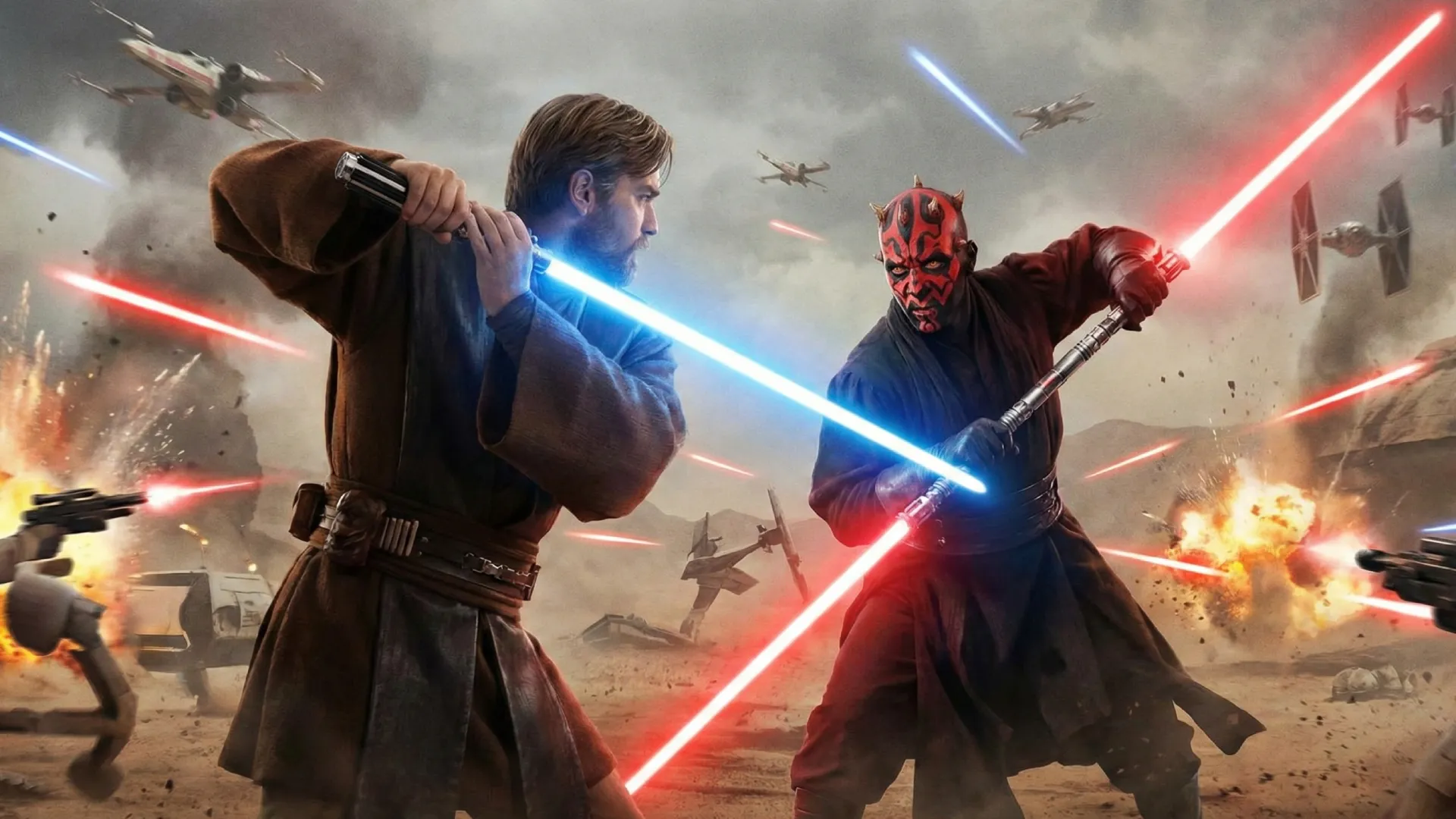
The recent leaks about the highly anticipated remake of Star Wars: Knights of the Old Republic (KOTOR) have once again put the project in the hot seat. The game remains in the spotlight, although the information is still incomplete.
There are no official announcements for the project; thus, leaks have become the primary source of information for a project long thought to be stalled.
The development process reveals changing roles, re-evaluation of marketing strategies, and a bit of uncertainty within the company, symptomatic of the industry’s overall instability.
The Path of the KOTOR Remake: Coils and Unpleasantness
The path of the KOTOR remake has been far from smooth. Early reports suggest that Aspyr’s initial development stalled, prompting the Embracer Group to assign the project to another internal studio. The latest leaks, which range from isolated assets to internal testing notes, indicate that while the project has not been shelved, it might not be as grand as the initial announcement suggested.
Proponents of this project claim that even the slightest sign of continued asset production is enough to consider it as progress. On the other hand, critics see these fragments as the legacy of previous work rather than signs of the flow, especially given Embracer’s recent budget cuts, studio closures, and the cancellation of high-risk projects.
Two Conflicting Interpretations of the Leaks
The conversation surrounding the KOTOR remake is primarily split between two opposing perspectives:
The Optimistic View
Two opposed theories chiefly characterize the present discussion. According to the vivacious interpretation, no publisher would keep such a valuable property as KOTOR out of the market for good. By this interpretation, the leaks are signs of gradual progress rather than stagnation, and the delays indicate that the quality appreciated in the market for single-player titles, which is increasingly influenced by prestige, has been safeguarded.
The Skeptical View
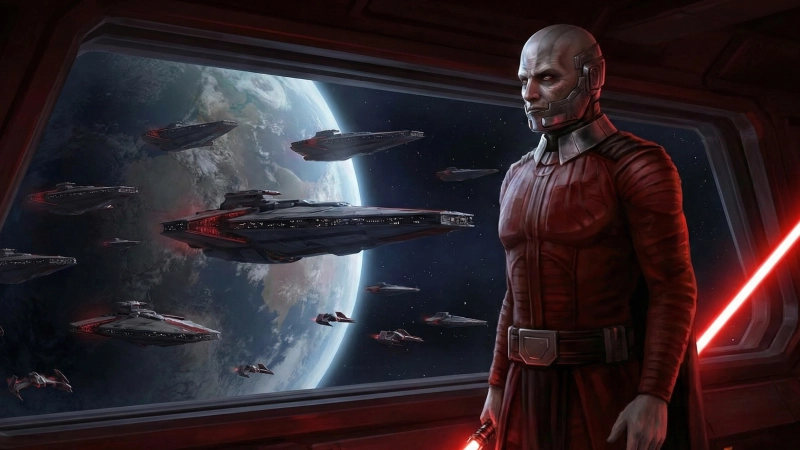
In contrast, the third-party view links the leaks to a broader retrenchment in the industry. The hike in development costs, the pressure of consolidation, and the need for predictable returns have made it harder to support the grandiose remakes. According to critics, the remake may exist only in a nominal or diluted form unless the situation changes.
Transparency, Speculation, and the Politics of Information
The episode sheds light on a structural tension within the games industry. The issue is basically the disparity existing between corporate communications strategies and the expectations of the community.
To prevent any premature expectations from being shaped, the publishers usually keep things secret during the early stages of development. On the other hand, the absence of straightforward communication produces speculation that can very quickly turn into what is believed to be the truth as it flows through social media and gaming forums.

The KOTOR case, for some analysts, is a clear indication of the risks involved when imaging is kept opaque; for others, it is a point at which public discourse, dictated by leaks and rumors, comes to be perceived as the danger. Both standpoints depict larger discussions on openness, responsibility, and the nature of interaction between studios and their viewers.

Comments are closed.