
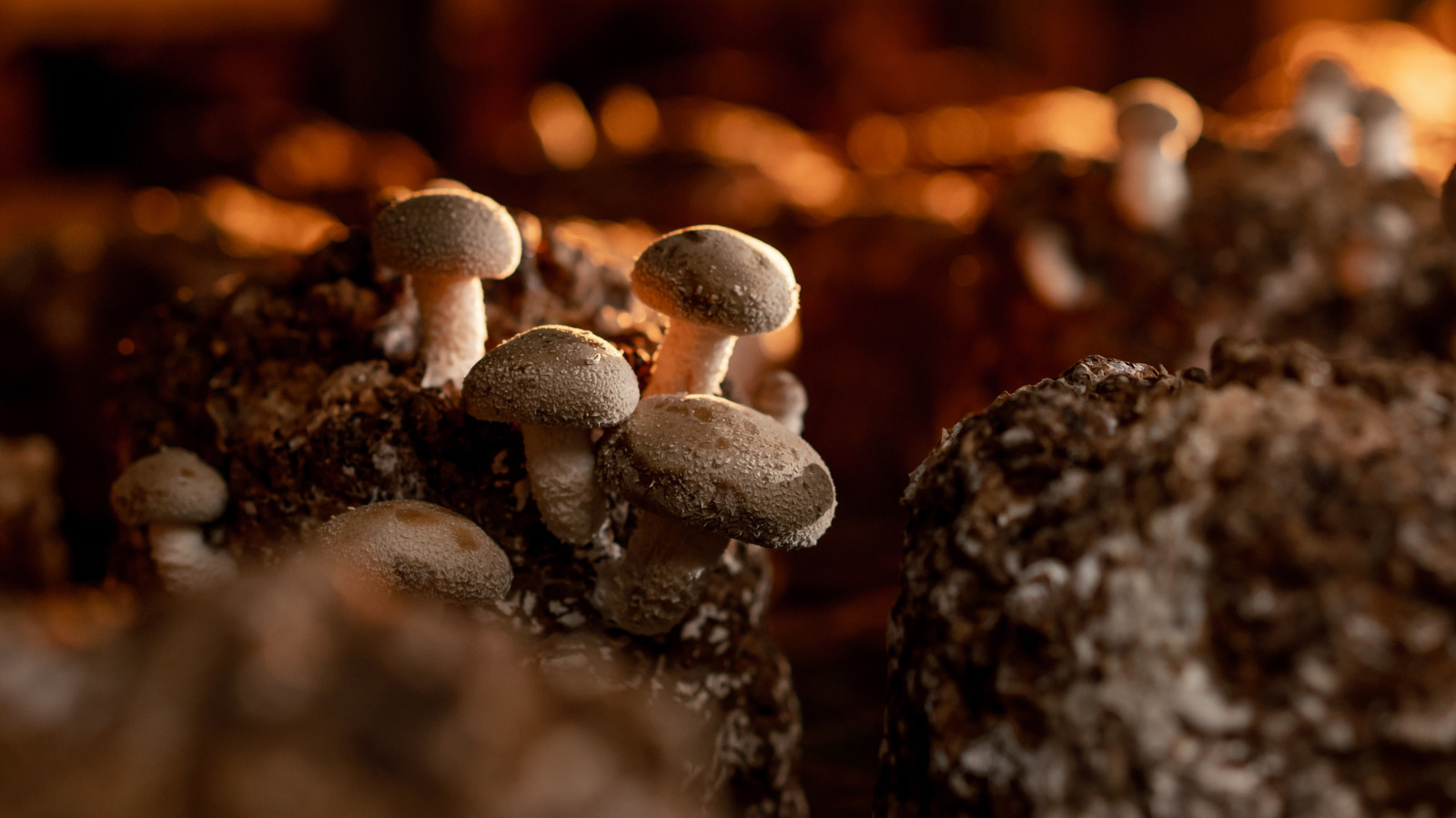

Often, the word fungus doesn’t have the most positive implications. At times, some fungi can indicate you have an infection that you need to pick up an ointment for. Meanwhile, certain kinds of wild mushrooms can be extremely dangerous, if not fatal. Nonetheless, fungi are some of Earth’s most remarkable lifeforms, and they can have some incredible applications — including in the world of computing. The concept of a mushroom PC like something from “The Last of Us” has been proposed before, but scientists have recently gotten even closer to making this idea a reality. In an October 2025 paper published in PLoS One, authors from Ohio State University concluded that “the future of computing could be fungal.”
Robots are already picking mushrooms for us, but fungi could also have a roll to play in technology in the future. While modern day computers, tablets, and smartphones are incredibly useful, they can have some harmful impacts on the environment in terms of their power sources and the energy they require. For those who have grown up with very conventional Windows devices and Macs, the concept of a mushroom computer might sound absurd, but it could be a crucial step toward making the devices we use every day as sustainable and planet-friendly as they can be. Let’s take a look at some of the reasons for developing mushroom computers in the first place and whether they could realistically become commonplace.
How a mushroom computer could work
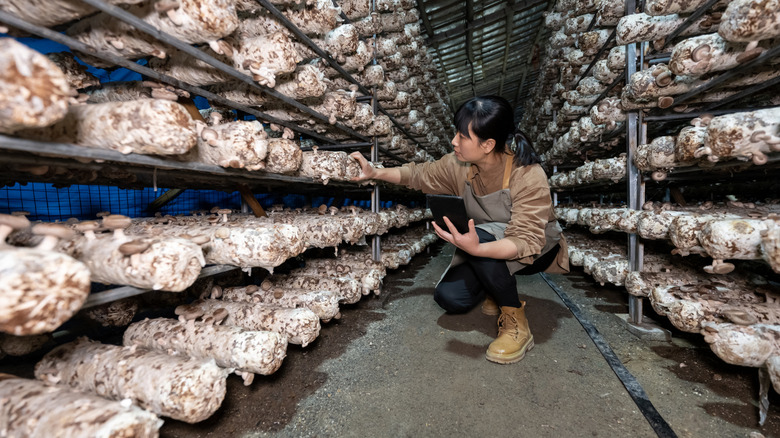
To function, a mushroom computer would harness the electrical activity that fungi use in nature to communicate. Essentially, mycelium (the fungi’s root structure) sends chemical signals between fungi, connecting them in a so-called “wood wide web.” It’s through this network that messages regarding water availability and other needs are passed.
Research into mushroom computers questions whether these sophisticated systems can be utilized in a manner similar to a conventional computer. Scientists have been exploring the potential that these mycelial networks have to transfer electrical information and “store memory” in this way. The idea is that the mycelium would behave as the electronic parts of a conventional computer. In the OSU research, the study authors reported that fungi could serve as a type of organic memristor. In a standard computer, a memristor is an electrical computer that “remembers” past states. In their study, OSU researchers passed various voltages through shiitake mushrooms to see what their capacity for this sort of “memory” was. In an experiment that used the mushrooms as RAM, the part of the computer that stores data, these fungi switched between electrical states at up to 5,850 signals per second, with about 90% accuracy.
That being said, scientists are still trying to demonstrate the feasibility of a mushroom computer and prototypes are much larger than conventional desktops and laptops. They also don’t have quite the level of computing power as a traditional machine, with the lowest-performance conventional memristors operating almost twice as fast as OSU’s organic ones. Nevertheless, mushroom computers are certainly an exciting prospect because they could be an eco-friendly alternative to traditional computers.
Why mushroom computers are appealing
The bioelectric properties of fungi and their various parts can be harnessed in several intriguing ways. As explained in a January 2024 paper in Microbiology, “as fungi break down organic materials, they release electrons necessary for electricity generation.” The key is simply to determine how that power can be harnessed. One musician, Tarun Nayar, found one manner of doing so through music. As reported by The Guardian, Nayar uses synthesizers and electrodes connected to plants to translate the changing energy they give off into different sounds. Other scientists are exploring how to use fungi to break down hazardous or polluting elements of waste and produce fuel.
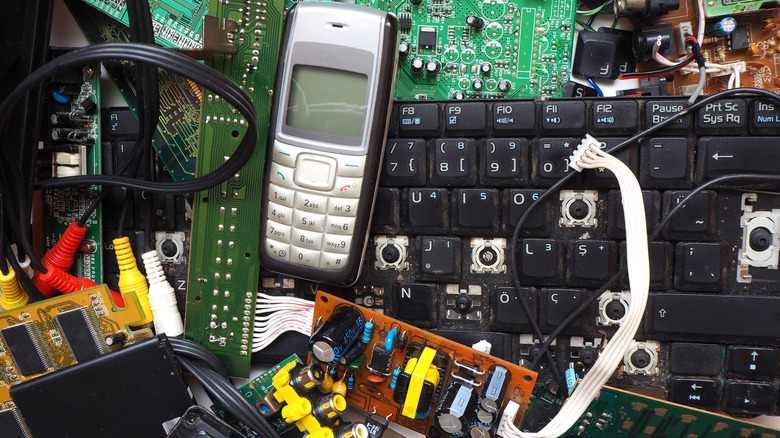
Finding organic fuel sources in fungi could help reduce our dependence on fossil fuels without compromising on the huge energy needs of Earth’s population of more than 8.2 billion people. As electronic devices have become more commonplace, the rate at which we are recycling these devices hasn’t kept up. According to a United Nations report, the rate at which we are producing electronic waste or “e-waste” globally is climbing five times higher than the rate at which we are recycling it. Moreover, many electronic devices contain components that can be harmful for our health and the environment if they are not disposed of properly.
Meanwhile, fungi are inexpensive to grow in large proportions and are biodegradable. Plus, computers powered by them may not require the rare minerals or heavy energy use that conventional devices do. This idea is still in the early stages, and we’re surely still a significant ways away from having mainstream shiitake-powered computers at our fingertips. Still, this technology is sure to speed up and further demonstrate its potential.

Comments are closed.