

A dazzling exhibition of royal and historic jewels opens at Paris’ Hôtel de la Marine, showcasing centuries-old treasures from global collections. The display unfolds shortly after the Louvre crown-jewel heist, highlighting security concerns and public fascination with gems and history.
Published Date – 10 December 2025, 02:14 PM
Paris: A glittering exhibition of royal jewels is opening on Wednesday in Paris even as the city still reels from the brazen crown-jewel heist at the nearby Louvre Museum.
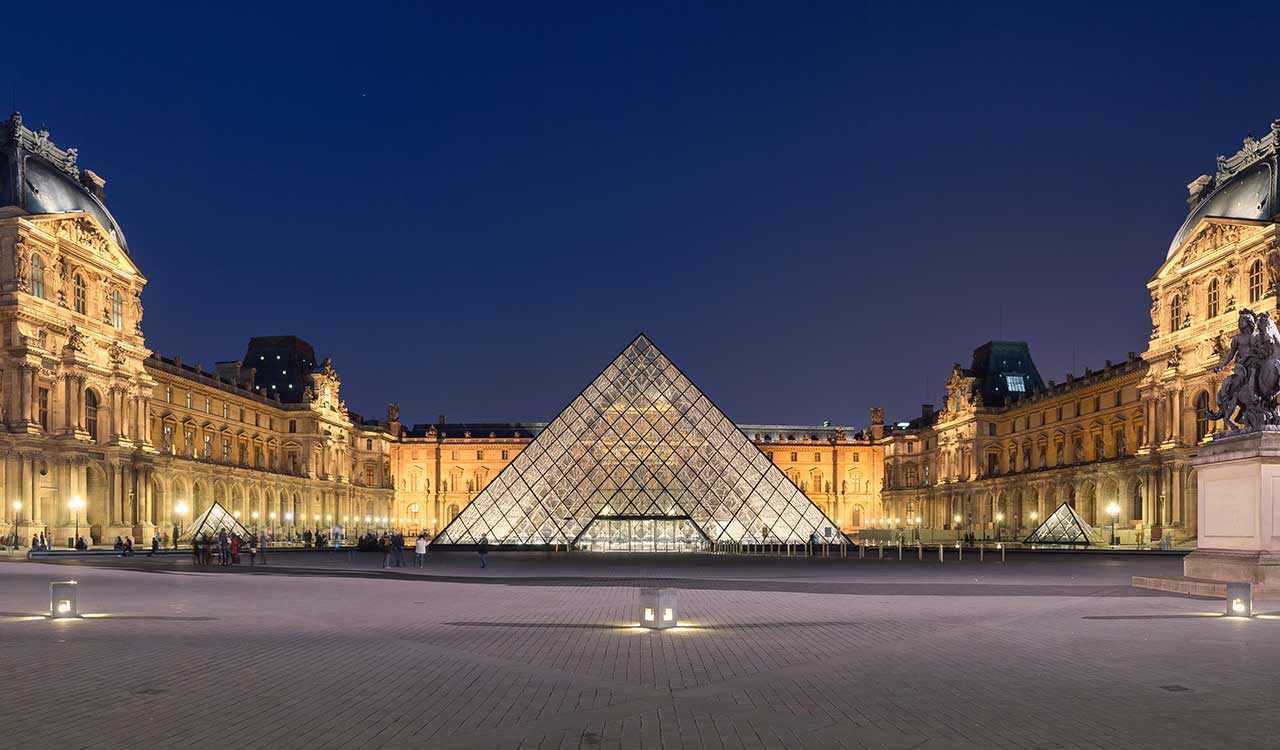
The four-minute operation in October emptied cases in the Louvre’s Apollo Gallery, forced its closure and rattled public confidence in France’s cultural security.
With the plundered gallery still sealed off, another museum nearby is showcasing diamonds and tiaras that endured revolutions, exile and empire: treasures that have managed to escape the type of plunder now afflicting the Louvre’s own jewels.
A loaded location
The “Dynastic Jewels” exhibition at the Hôtel de la Marine — itself the site of an infamous 1792 crown-jewel theft — opens at a moment of national sensitivity.
Spread across four galleries, the exhibit unfurls more than a hundred pieces that dazzle in both sparkle and scale. Its objects are drawn from the Al Thani Collection, the Victoria and Albert Museum, and major lenders including King Charles III, the Duke of Fife, Cartier, Chaumet and France’s own national collections.
Some of the most striking loans include the giant 57-carat Star of Golconda diamond; a sapphire coronet and emerald tiara designed by Prince Albert for Queen Victoria, reunited here for the first time in more than 150 years; and Catherine the Great’s diamond-encrusted dress ornaments. A Cartier necklace created for an Indian ruler blends European platinum-age design with centuries-old gems.
Security front and center
Curators didn’t comment on details of operational security. But the Hôtel de la Marine stresses that it was rebuilt with modern, high-grade security when it reopened in 2021, and that its galleries were conceived with robust protections in mind. The museum did not say whether any measures had been strengthened in response to the Louvre heist.
Still, the latest exhibition unfolds at a moment when Paris is urgently tightening museum protections.
Last month, Louvre director Laurence des Cars announced that roughly 100 new surveillance cameras and upgraded anti-intrusion systems will be installed, with the first measures rolled out in weeks and the full network expected by the end of next year. The Louvre investigation remains active; meanwhile, none of the stolen pieces have been recovered.
Arthur Brand, an Amsterdam-based art detective, said the Louvre heist will have sharpened vigilance at institutions like the Hotel de la Marine.
“Authorities have learned from the Louvre’s lacking security,” he said. “The thieves know that the security people here aren’t going to be sloppy. They will have learned their lesson. It’s a good thing this exhibit is going on. Life goes on. You should not give in to thieves. Show these precious items!” With the Apollo Gallery closed, the Hôtel de la Marine is suddenly poised to become a prime stop for jewel-lovers — an unfortunate coincidence, or unexpected advantage — a place where visitors shut out of the Louvre’s Crown Jewels displays may naturally gravitate.
Power, prestige and unease
“We show how great gemstones, tiaras and objects of virtuosity reflected identity in the 18th, 19th and 20th centuries,” said Amin Jaffer, director of the Al Thani Collection and one of the exhibition’s curators. “They were expressions of power, reflections of prestige and markers of passion.” That display of privilege and power lands differently today. Just this weekend in Britain, protesters at the Tower of London splattered custard and apple crumble on the display case of a royal crown at an anti-inequality demonstration.
The Louvre robbery has sharpened scrutiny of where such jewels came from. Museums are increasingly pressured to confront provenance more honestly and address the exploitative networks that made the treasures possible.
For some in Paris, the celebration of jewels so soon after the Louvre heist doesn’t feel right.
“Honestly, the timing feels off,” said Alexandre Benhamou, 42, a Paris gift shop manager. “People are still upset about what happened at the Louvre, and now there’s another jewel exhibition opening just down the street. It’s too soon; we haven’t even processed the first shock.”
A building with a memory
Before the Revolution, what was then known as the Hôtel du Garde-Meuble housed the Crown Jewels and royal collections — a history the exhibition directly invokes. That the building’s 18th-century jewels were stolen in 1792 only deepens the irony: this stretch of Paris has witnessed such crimes before.
Despite the charged backdrop, curators say they want visitors to marvel, to dream and to explore the layers of “affection, love, relationships, gift-giving” embedded in the objects.
“Every object here tells a story,” Jaffer said. “They’ve changed hands ever since they were made, and they continue to survive.”

Comments are closed.