

India’s energy strategy is once again under the global spotlight as New Delhi signals its intent to continue purchasing discounted Russian crude despite escalating U.S. and European sanctions on Moscow’s oil giants. The stance was reaffirmed during last week’s annual Russia-India summit in New Delhi, where President Vladimir Putin assured Prime Minister Narendra Modi that Russia remains committed to supplying India with uninterrupted fuel shipments.
India has become Russia’s second-largest oil customer after China, a dramatic shift from 2021 when Russian crude made up only 2.5 percent of India’s imports. Western sanctions following the Ukraine war, combined with steep price discounts, transformed Russian oil into a cost-effective alternative for India. With Brent crude currently trading above $62 per barrel, Russian barrels sold as low as $35 in 2022 were simply too attractive for Indian refiners to ignore.
Despite Washington doubling tariffs on Indian goods to 50 percent and publicly pressuring New Delhi to stop funding what it calls Moscow’s “war machine,” India continues to maintain its buying strategy. Indian officials argue that the country must prioritize energy security and affordability for its 1.4 billion citizens. Russia, meanwhile, counters U.S. criticism by pointing out that Washington itself continues to buy Russian nuclear fuel.
India’s imports have fluctuated due to sanctions tightening through late 2024 and 2025. Purchases hit a record $5.8 billion in October 2024 before dropping in the months that followed, only to rebound again in early 2025. This volatility stems from sanctions placed on major Russian producers Rosneft and Lukoil, which together account for around 60 percent of the Russian crude India buys. India responded by accelerating purchases ahead of sanctions deadlines and shifting toward other Russian suppliers such as Surgutneftegaz and Gazprom Neft, which remain less restricted.
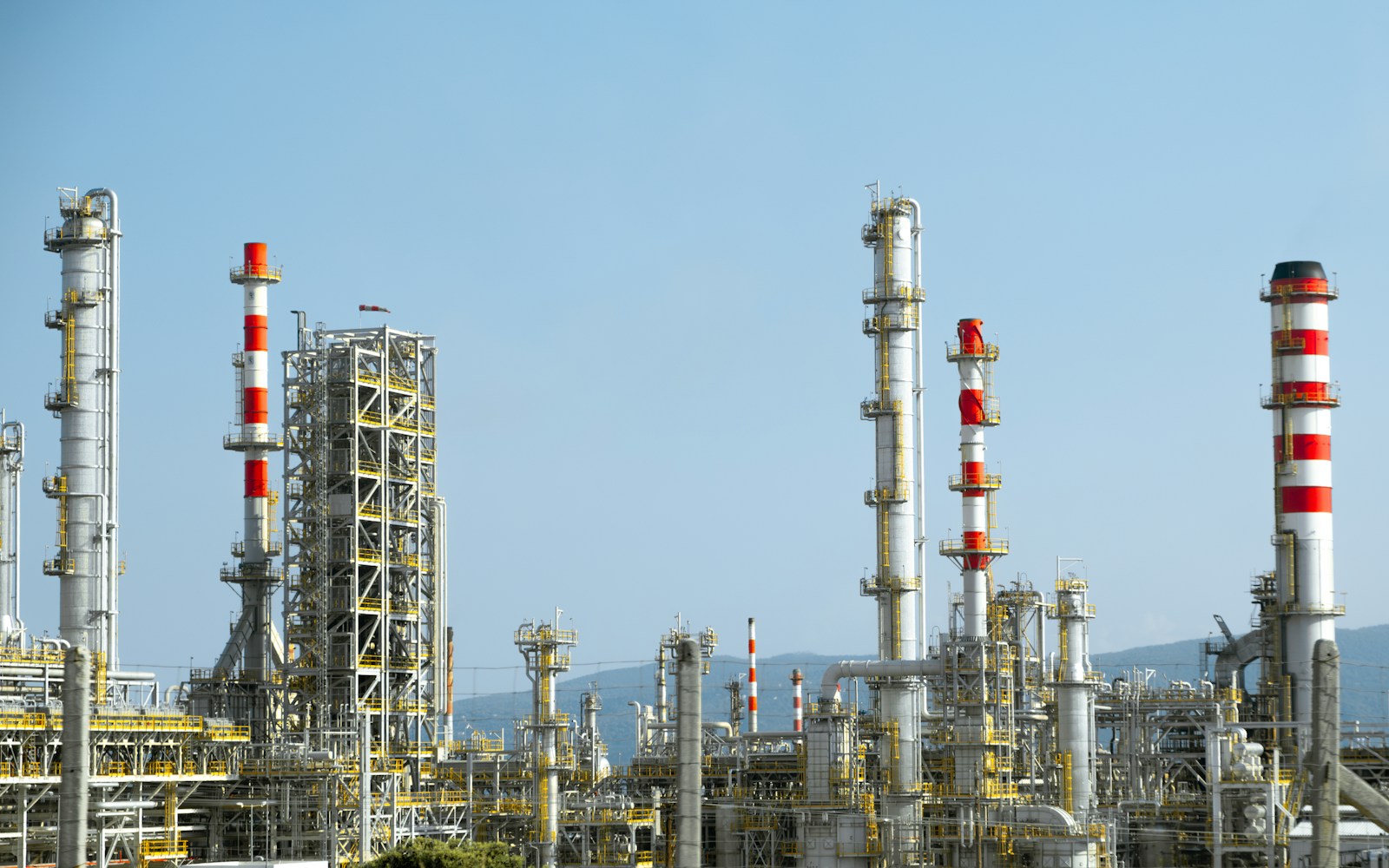
Refiners are also adapting. While EU-sanctioned Nayara Energy scaled back operations briefly after being blacklisted, it has since increased its intake of Russian crude, operating its Vadinar refinery in Gujarat at up to 93 percent capacity. India’s broader refining sector — spanning state-owned companies and private giants like Reliance — continues to rely on Russian barrels for both domestic use and lucrative re-exports of refined fuels.
Looking ahead, India may depend more heavily on a global “shadow fleet” of older tankers that operate under non-Western flags and insurance systems. These ships have become central in transporting sanctioned Russian oil and can evade many Western enforcement mechanisms. Between January and September 2025, India imported more than five million tonnes of Russian crude using such vessels, according to research from the Centre for Research on Energy and Clean Air.
While sanctions have forced India to slightly reduce its intake, projections show New Delhi will still buy around 600,000 barrels per day in January — far from the zero that Western governments hope to achieve. With Russia eager to maintain its largest remaining energy customers and India prioritizing affordable supplies, both sides appear set to continue their oil partnership despite international pressure.

Comments are closed.