
According To The American Heart Association, You May Be Too Out Of Shape To Safely Shovel Snow

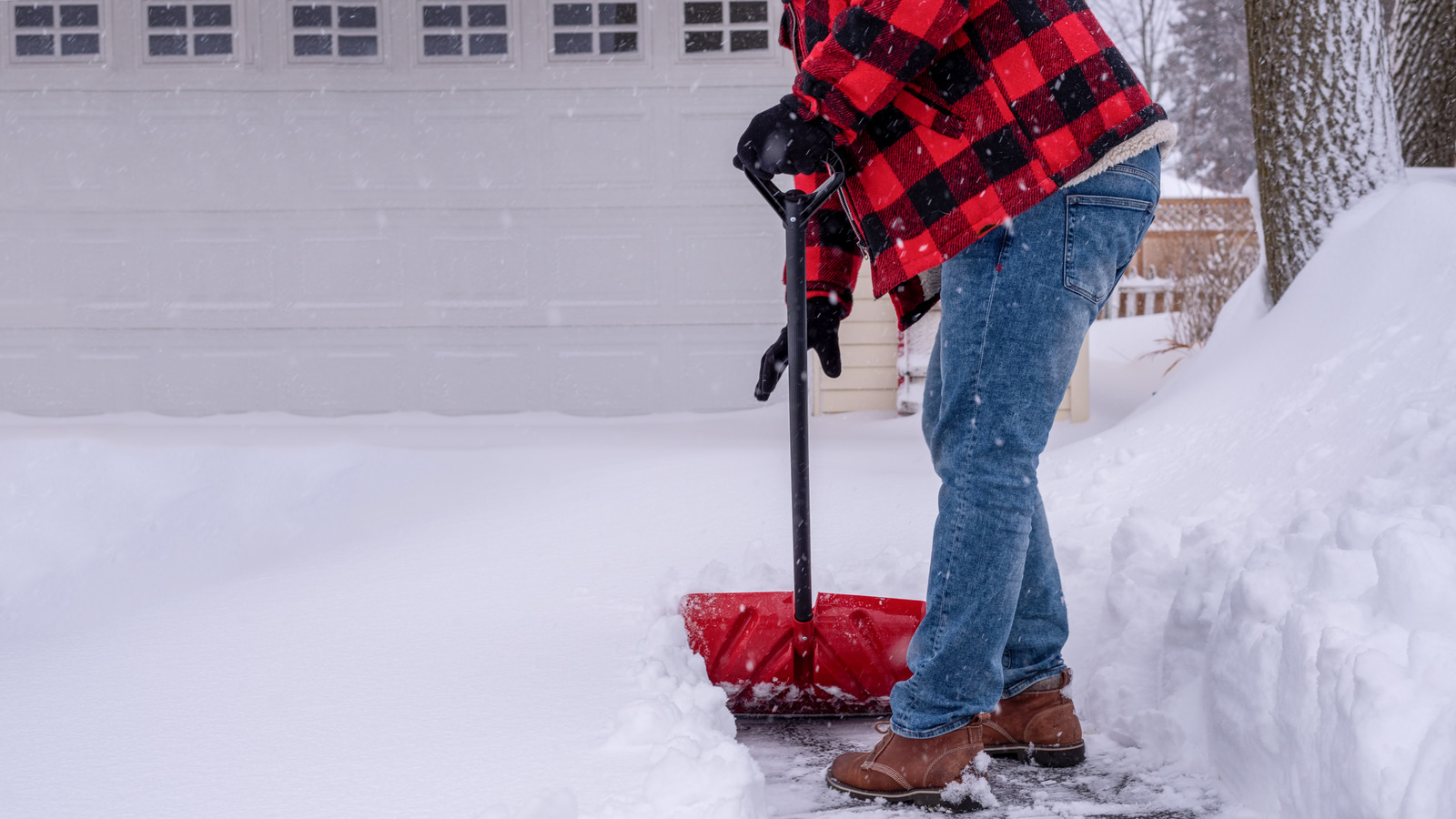
Shoveling snow is a chore that millions of Americans have to do each year. If you live in the Midwest and the Northeast, you understand this reality sharply — perhaps even begrudgingly. Many try to make sense of the weather as best they can, following YouTube channels and using weather apps on their iPhone or smartphone in order to stay ahead of nasty storms and heavy snowfall. Still, when your town is in the eye of the storm and the snowfall becomes significant, you have no choice but to dig out with shovels and clear out your walkways and driveways. However, according to the American Heart Association, some may actually be unfit to shovel snow safely after a storm. This seemingly mundane household chore can be the trigger for cardiac events in certain individuals.
Sure, there are other dangers like slipping on ice and injuring yourself, but the sudden, intense demand on the heart while aggressively shoveling can also be risky in and of itself. In fact, it is estimated that hundreds of Americans die each winter during or soon after snow removal activities. Shoveling snow can be demanding on the heart, especially for people who aren’t used to strenuous physical activity. Before you grab a shovel this winter, it’s important to understand how this task can be especially dangerous for certain individuals.
The hidden risks of shoveling snow
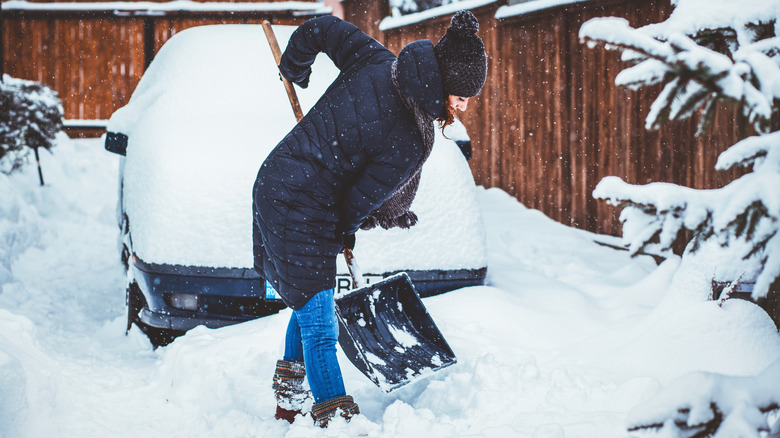
While there are clever ways to avoid spending too much time shoveling snow, many times you can’t get around it. Unless you have access to a snowblower or can afford to pay for snow removal services, you have to suit up and dig out after a storm. The reason shoveling can be particularly dangerous is the combination of cold exposure and heavy exertion. Whilst breathing heavily, the cold air causes blood vessels in the body to constrict which, in turn, raises blood pressure. The narrowing of the coronary arteries works against a hungry heart muscle looking for maximum blood flow and oxygen.
The very act of shoveling and lifting heavy snow is an isometric exercise, meaning the muscles contract without moving around too much. The very act of shoveling also mainly uses the arms, which actually puts more demand on the heart muscle than exercises that predominantly use the legs. Plus, not using your legs makes blood pool in them, making it even more challenging on the circulatory system.
Furthermore, many tend to hold their breath while lifting, which can further impact this precarious physiological chain. Together, this set of circumstances poses a threat to individuals who are not in top physical shape — especially for people who smoke, have diabetes, and those with high cholesterol or obesity. These risks vary from person to person, but it’s best to speak with a physician if you are in a high-risk category and live in a snowy part of the country where you often have to shovel during the winter.
How to stay safe when shoveling snow
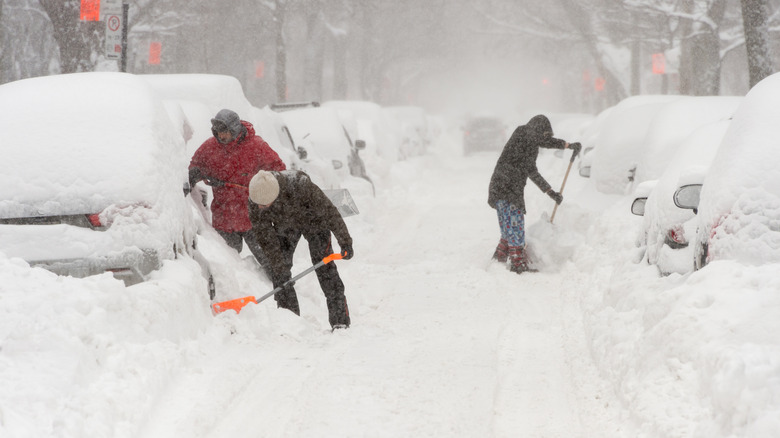
If you happen to have risk factors like prior heart attacks, bypass surgery, or an extremely sedentary lifestyle, the American Heart Association recommends against shoveling snow. It is a very strenuous chore, especially if you’re dealing with heavy and wet snow. If you are not in tip-top shape and have been warned by a physician to avoid shoveling, you can ask a neighbor to help you out, or hire a professional snow removal service.
If you have no choice, then work smarter, not harder. Remember that pushing the snow is less strenuous and therefore safer than lifting it. To this end, using a snow blower — again, if you are fortunate enough to have access — reduces the risk (though it doesn’t eliminate it). Pushing a snowblower won’t raise blood pressure as high as shoveling will, but at-risk individuals must still be diligent and listen to how the body responds.
The most important thing to keep in mind is to ease into the activity and pace yourself. If there is a strong wind or temperatures that are colder than usual, it can increase the effect of the cold on one’s body. If you experience any chest pain or pressure in the sternum while shoveling, or any irregular heart rhythms, you should stop the activity immediately. If these symptoms continue, call 9-1-1 and seek medical attention.

Comments are closed.