
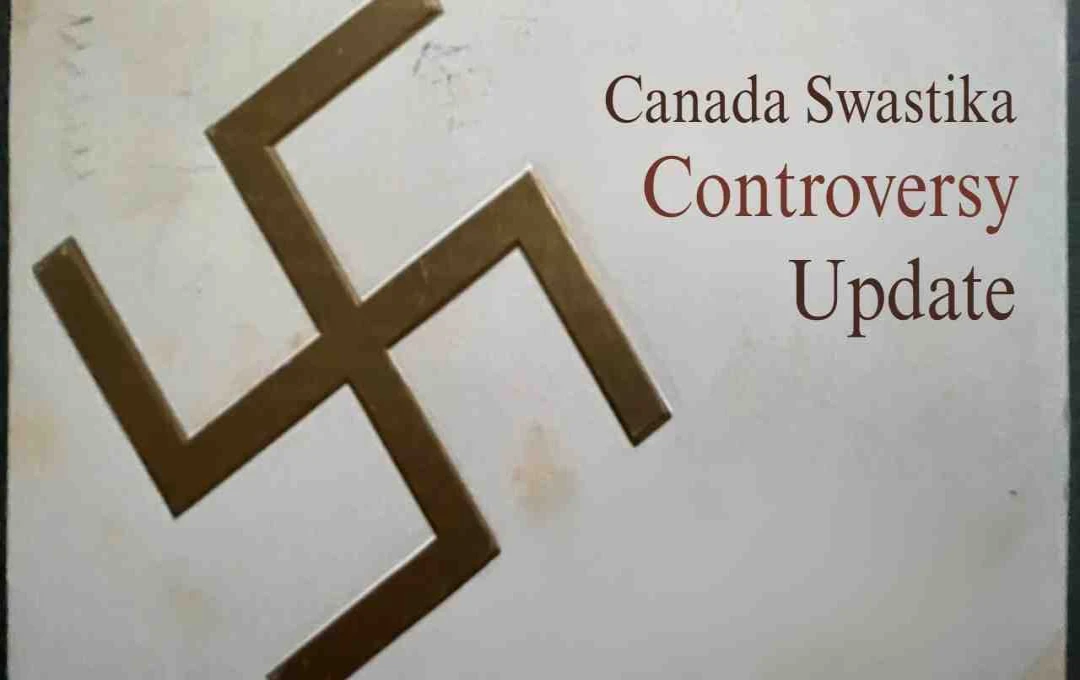

Canada has amended Bill C-9 to separate the religious Swastika from the Nazi symbol. The committee removed the word ‘Swastika’ from the draft law, clarifying that the move would only apply to hate symbols like the Hakenkraut. The change has provided legal protection to the religious freedom and cultural identity of Hindu, Jain and Buddhist communities.
Canada Swastika Controversy Update: In Canada, on December 10, 2025, the Standing Committee of Parliament made a major change in Bill C-9 and made it clear that the religious Swastika will not be considered a Nazi symbol. The amendment removed the word ‘Swastika’ from the draft, so that the law would only apply to hate-inducing symbols like the Hakenkraut. This decision became necessary because Hindu, Jain and Buddhist communities had expressed concerns that taking the religious symbol out of context could impact cultural freedom and places of worship.
Why did the religious swastika get legal protection?
The new amendment makes it clear that the Swastika used in Hindu-Jain-Buddhist traditions does not fall in the category of hate symbol in any way. The committee acknowledged that the history of the Swastika goes back thousands of years and is a symbol of auspiciousness, peace and good wishes, which has no connection with the Nazi symbol.
Many religious organizations and experts had argued that it is necessary to clear the misconceptions, so that temples, cultural programs and religious festivals do not live in fear of unnecessary investigation. After the amendment, the threat of legal action on these symbols has been completely averted and religious freedom has been strengthened.
How did the controversy start and why did it escalate?
Early drafts of Bill C-9 included mention of the ‘Swastika’, which is often interpreted as a Nazi symbol in the West. Regarding this similarity, the Hindu community expressed concern whether objection could be lodged by associating the Swastika present in religious places with hatred.
The controversy drew the attention of interfaith organizations and several Jewish human rights groups, clarifying that drawing parallels between religious swastikas and Nazi symbols is historically inaccurate. After receiving widespread support, the committee took major corrective action to the law.
What is the real purpose of Bill C-9?
The Government of Canada says the goal of Bill C-9 is not to ban religious belief, but to establish clearer definitions of hate-based symbols and crimes. Its aim is to take action against symbols that are used to spread hatred or intimidate communities.
For this reason, it was considered necessary to keep religious symbols out of the scope of this law, so that along with strictness on hate crimes, freedom of belief can also be protected. This step is being considered an attempt to maintain balance in the multicultural society.

Comments are closed.