
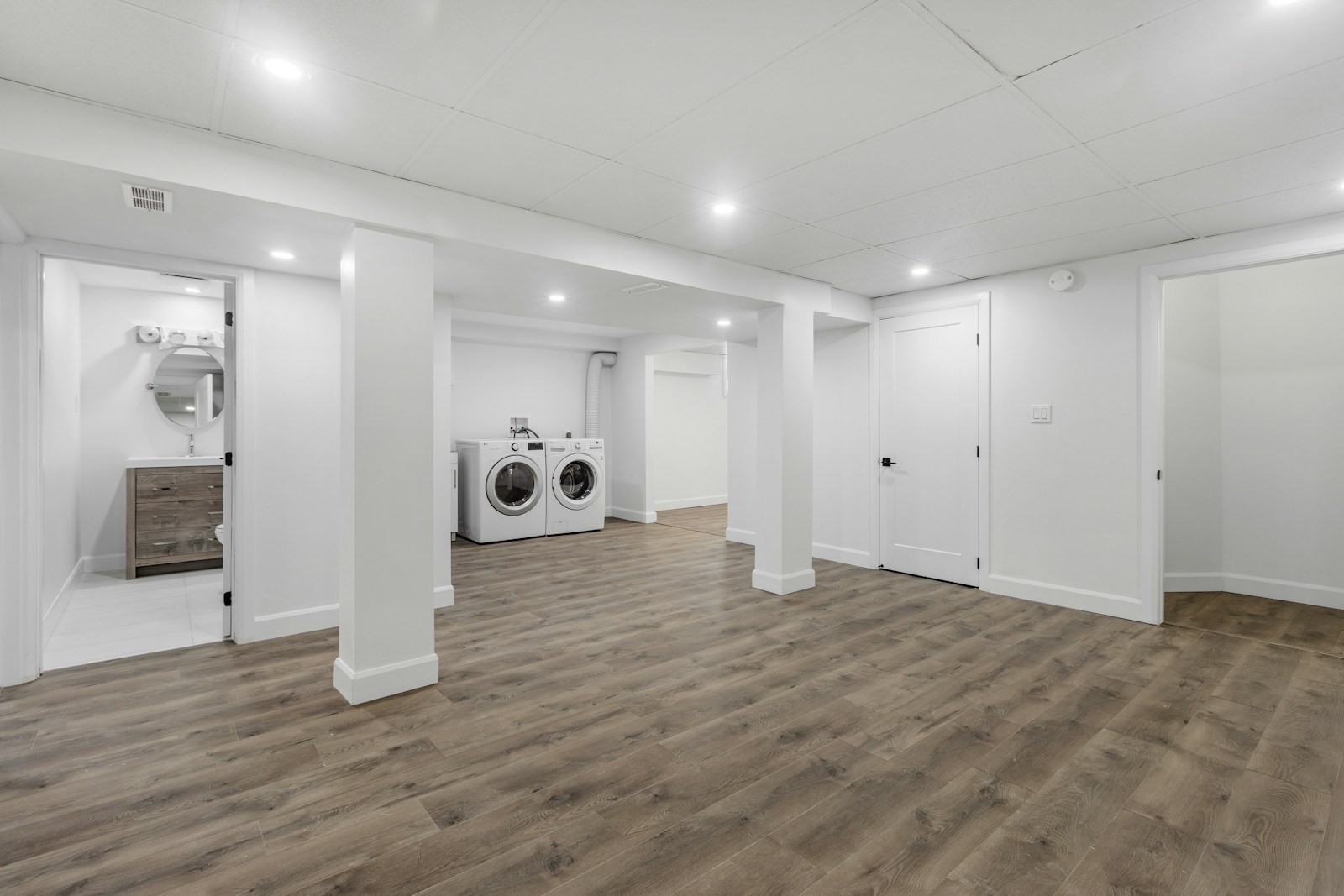

Basement rentals have become an increasingly common feature in South Asian Canadian communities, particularly in cities such as Brampton, Mississauga, Surrey, and parts of Vancouver and Calgary. What was once considered informal or temporary housing has evolved into a critical component of the housing ecosystem for many families. This trend reflects a mix of economic pressures, immigration patterns, cultural adaptability, and gaps in Canada’s affordable housing supply.
One of the primary drivers behind the rise of basement rentals is affordability. With home prices and rents climbing steadily across major Canadian cities, basement units often provide one of the few accessible housing options for students, new immigrants, and young working professionals. For tenants, basements offer lower monthly rent compared to condos or apartments, while still being located in established neighborhoods close to transit, jobs, and community networks. For many newcomers, especially international students and recent immigrants from South Asia, basement rentals serve as an essential first step into Canadian life.
For South Asian homeowners, basement rentals have become an important financial strategy. Many families stretch their budgets to purchase homes, often pooling savings across generations. Renting out a basement helps offset mortgage payments, rising property taxes, and utility costs. In some cases, the rental income is not supplementary but essential for maintaining ownership. This model aligns with a broader culture of financial pragmatism, where maximizing the utility of owned space is seen as responsible and forward-thinking.
Cultural familiarity also plays a role in why basement rentals thrive within South Asian communities. Tenants often prefer renting from landlords who share similar cultural backgrounds, languages, or values, creating a sense of trust and comfort. Informal arrangements, flexible payment expectations, and understanding of extended family living situations make these rentals appealing to both sides. While not universal, this dynamic has helped basement rentals grow organically within community networks.
Immigration trends have further accelerated this phenomenon. Family sponsorship, student visas, and work permits continue to bring thousands of South Asians to Canada each year. The demand for immediate, affordable housing far outpaces supply, especially near colleges, industrial zones, and suburban employment hubs. Basement rentals frequently fill this gap when purpose-built rental housing is unavailable or unaffordable, becoming a de facto solution to systemic housing shortages.
However, the rise of basement rentals has also sparked important conversations around safety, legality, and urban planning. Many municipalities are now formalizing rules around secondary suites, requiring proper permits, fire safety measures, and minimum living standards. While regulation aims to protect tenants, it also highlights how deeply basement rentals are embedded in the housing market. Rather than being a fringe solution, they have become a structural response to Canada’s housing challenges.
Ultimately, the growth of basement rentals in South Asian Canadian communities reflects resilience and adaptation in the face of economic and social realities. These units support newcomers, help families stay financially stable, and keep communities interconnected. As Canada continues to grapple with housing affordability, basement rentals are likely to remain a defining feature of suburban life, shaped by both necessity and cultural practicality.

Comments are closed.