

New Delhi: Christmas food today feels comforting and familiar, but many festive favourites have histories that may surprise even seasoned holiday lovers. From pies that once doubled as meat dishes to drinks that carried curious names, Christmas cuisine has evolved across centuries, shaped by trade routes, royal tastes, and medieval beliefs. What we now consider indulgent treats were once practical, medicinal, or even symbolic foods meant to last through harsh winters.
Over time, these dishes travelled from royal tables to common households, changing in form, flavour, and meaning. Ingredients were adapted, rituals softened, and traditions reshaped to fit modern celebrations. Yet, traces of their past still linger in recipes served every December. Here are five historical facts about Christmas food that reveal how deeply rooted festive eating really is.
Historical facts about Christmas food
1. Mince pies were once packed with meat
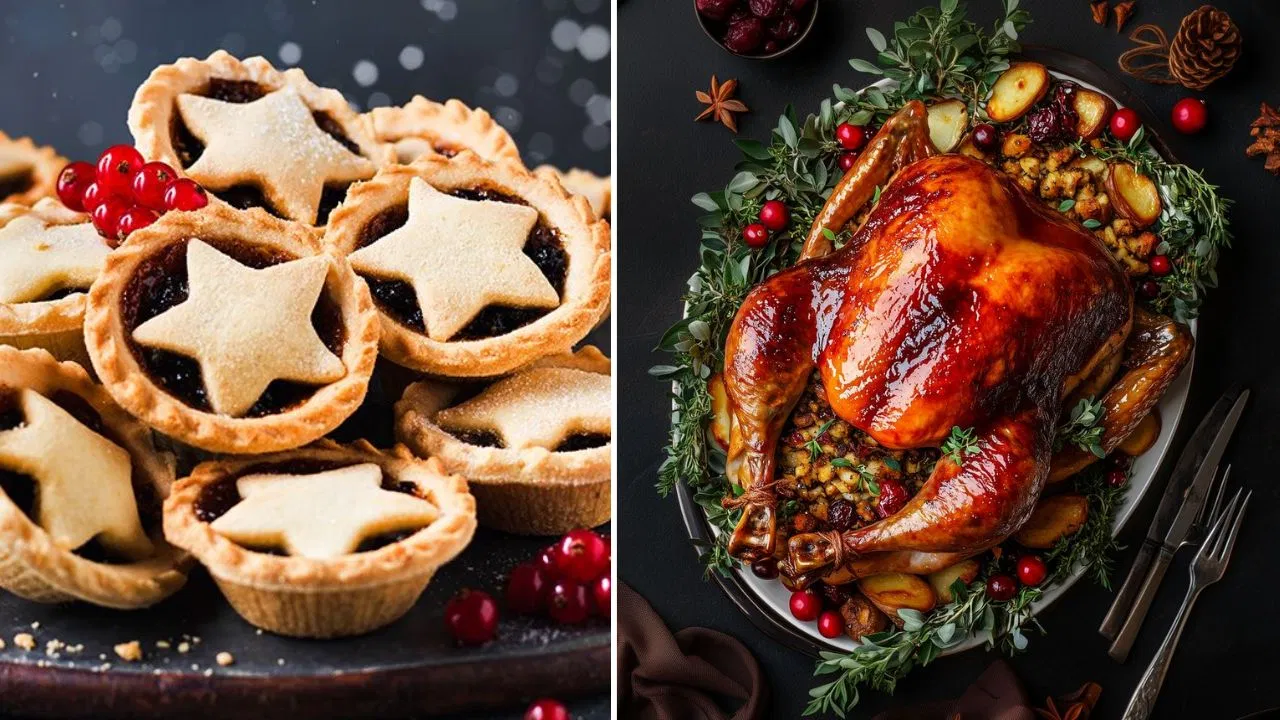
Early mince pies were nothing like today’s sweet bites. During the Tudor period, they were large, hearty pies filled with chopped meat, dried fruits, and spices. Designed to sustain families through winter, these pies were often served as main dishes. The familiar sweet version emerged much later, gradually losing meat by the early 20th century.
2. Turkey was once reserved for the wealthy
Turkey arrived in Britain in the early 16th century after being brought from North America. Initially, it was a luxury bird enjoyed by the elite, while most households relied on goose or chicken. By the Victorian era, turkey became more accessible, cementing its place as a Christmas centrepiece.

3. Gingerbread began as medicine
Before becoming a festive treat, gingerbread was valued for its medicinal properties. In medieval Europe, ginger was believed to aid digestion, relieve discomfort, and boost vitality. It was consumed more for health benefits than celebration, long before it gained Christmas associations.
4. Christmas cake was originally eaten after Christmas
The traditional Christmas cake evolved from the Twelfth Night cake, eaten on January 5 to mark the end of the festive season. Over time, enthusiasm for the rich, spiced dessert pushed its appearance earlier, making it a Christmas staple rather than a post-holiday treat.
5. ‘Smoking bishop’ was a festive drink, not food
Popular in Victorian England, smoking bishop was a warm alcoholic drink made with port wine, spices, and roasted oranges. Often mentioned in classic literature, it was served hot and named after the bishop-shaped vessel used to hold it.
Christmas food is more than indulgence. It’s history served on a plate, carrying stories from centuries past into modern celebrations.

Comments are closed.