
How To Check BS Emission Of Your Car? Here’s A Quick Step-By-Step Guide As Supreme Court Moves To Ban Vehicles Below BS-IV In Delhi-NCR

Altering the previous order on August 12 that had prohibited the coercive action on diesel cars above 10 years old and petrol cars above 15 years old in the National Capital Region (NCR), the Supreme Court on Wednesday changed the order.
In such action, the apex court has now made it clear that only vehicles that have BS-IV and beyond will not be taken action against.
The order was delivered by a three-judge bench that was headed by the Chief Justice of India, Justice Surya Kan,t on the request of the Delhi government, which wanted to be allowed to take action against older vehicles, taking into consideration the deteriorating air quality of the national capital.
As per Live Law, Additional Solicitor General Aishwarya Bhati, who represented the Delhi government, wanted the order of August 12 amended to permit action against vehicles up to the BS-III emission standard.
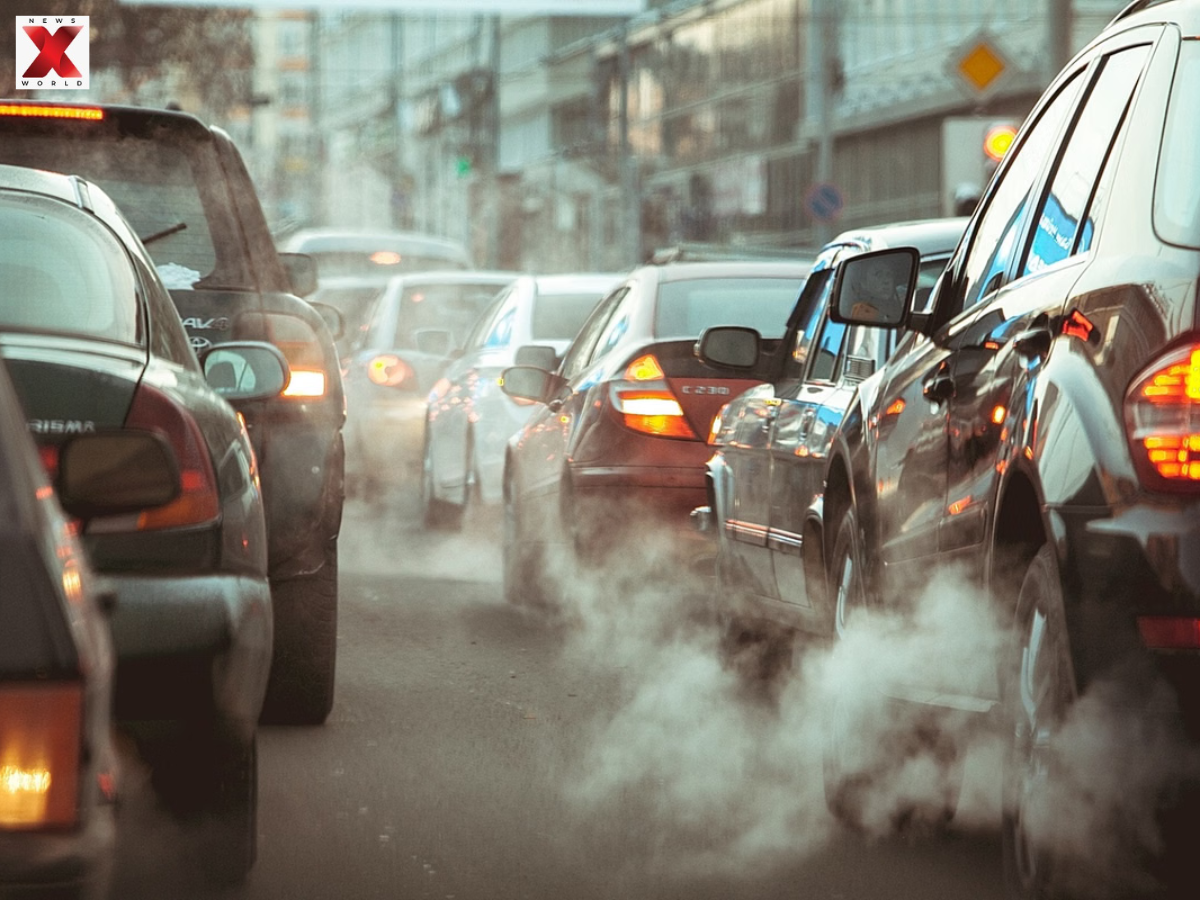
She presented the argument that the old vehicles pollute the air quite well and play a major role. Amicus curiae in the air pollution case helped to support the submission.
How To Check the BS Emission Of Your Car?
In India, all the vehicles are registered under a Bharat Stage (BS) emission requirement, which denotes the level of pollution that the vehicle is permitted to produce. It is also important to know the BS standard of your car, and this is given the limitations of old cars in some cities such as Delhi-NCR.
1. Verify Your Registration Certificate (RC)
The simplest method of locating the BS emission norm of your car is on the Registration Certificate (RC). Fields that include Emission Norms or BS Norms should be found on the physical RC card or the digital RC in DigiLocker or mParivahan. It will mention BS-IV, BS-VI, etc. In case it is not made clear in the RC, then the date of registration may be used to ascertain the norm.
2. Visit mParivahan App or Website
Go to the ministry of road transport and highways, official mParivahan site or application. Type in your vehicle registration number and get information such as the type of fuel, date of registration and emissions standard. This is a genuine source of government and highly acceptable to verify.
3. Check the Date of manufacture of the Vehicle
The BS standard is also based on the time the car was manufactured and sold:
BS-III: Cars sold before April 1, 2017.
BS-IV: Ferries sold since April 1, 2017, 31 March 2020.
BS-VI: Vehicles sold during or after April 1, 2020.
Should your car be registered after these cutoff dates, it is likely to comply with the relevant BS norm.
4. Under the Bonnet or Owner’s Manual
A lot of manufacturers are inserting an emission compliance sticker under the bonnet or referencing the BS norm in the owner’s book. This sticker is a guarantee of the certified emission level of the vehicle.
5. Request an Authorised Dealer or Service Centre
In case of doubt, an authorised service centre will authenticate the BS norm with the help of the chassis number. This is applicable in old cars where not all the documents have been filled.
Being able to know your BS emission standard assists you in keeping track of pollution regulations, resale regulations, and scrappage regulations, particularly in areas with stringent regulations, such as Delhi-NCR.
ALSO READ: Supreme Court Allows Ban On Pre-BS IV Vehicles In Delhi-NCR, Here Is The List Of Vehicles Which Lose Protection After New Order
The post How To Check BS Emission Of Your Car? Here’s A Quick Step-By-Step Guide As Supreme Court Moves To Ban Vehicles Below BS-IV In Delhi-NCR appeared first on NewsX.

Comments are closed.