

Highlights
- AirPods Pro 3 deliver intelligent adaptive audio, seamless Apple integration, and refined sound.
- Sony XM6 excels with class-leading ANC, rich audiophile sound, and exceptional battery endurance.
- JBL’s Tour Pro lineup targets bass lovers with punchy sound, strong durability, and long-lasting playtime.
- Nothing Ear series emphasizes transparent sound, stylish design, and lightweight all-day comfort.
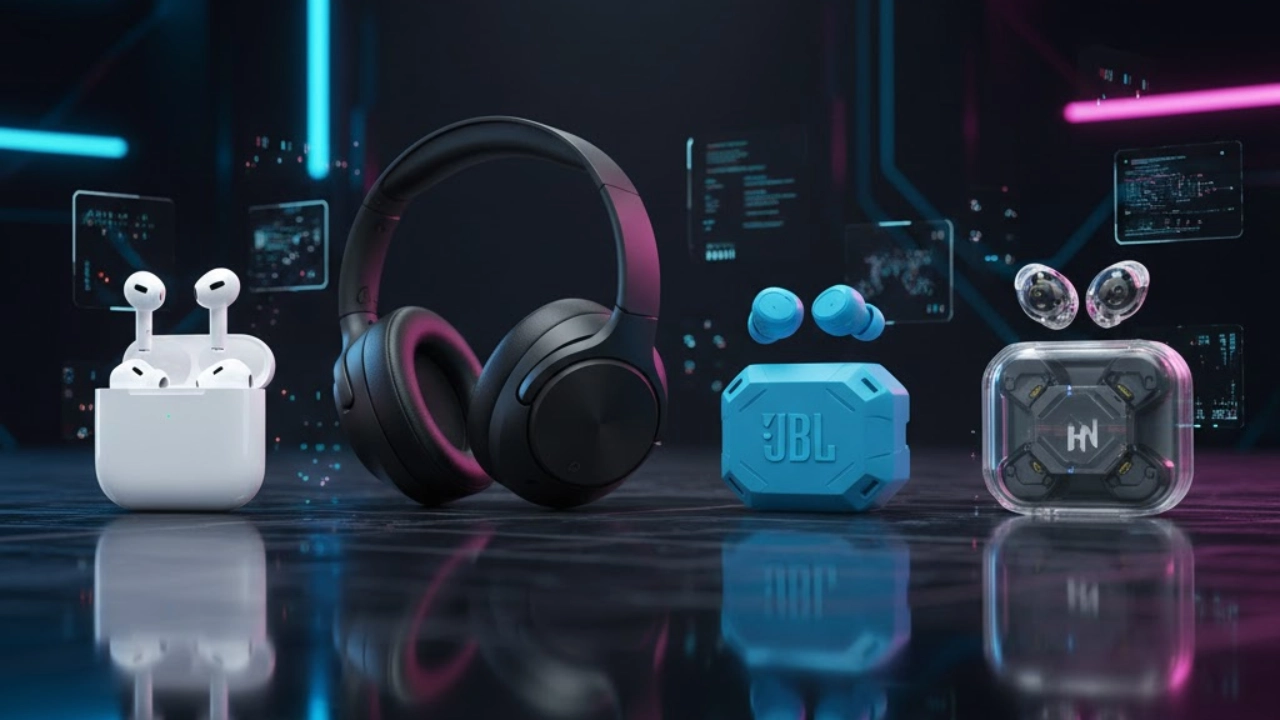
The year 2025 witnessed a stark competition between the wireless earbuds of various brands; thus, a comparison was made, involving four leading manufacturers—AirPods Pro 3 from Apple, Sony WF-1000XM6, JBL’s flagship Tour Pro series, and Nothing’s Ear series sound wirelessly with their unique interpretations of what audio quality should be delivered. Each pair of headphones offers a distinct perspective on sound, design, user control, and integration. Each of them attracts a different listener. The comparison of the earbuds in terms of sound quality, ANC performance, comfort, battery life, innovative features, and real-world usability will be very thorough. It turns out that “the best earbuds” are critically different for different users.
AirPods Pro 3: Apple’s Most Intelligent, Seamless Audio Experience Yet
The Apple AirPods Pro 3 are the most significant breakthrough in the Pro model of the AirPods line since the first Pro model. The product design has changed little, but it remains sleek, compact, and easily recognizable. However, almost everything inside has been replaced.
The most significant enhancement is the integration of Apple Intelligence, which leads in adaptive audio. The AirPods Pro 3 continuously learn the surroundings and the user’s interactions, thereby changing the levels of ANC, Transparency, EQ Balance & Voice Profiles in real time. It is no longer a conscious effort to move between modes; it is simply intuitive. In bustling metros, worn earbuds will reduce noise to the maximum; at home, users will get regular sound input that is neither loud nor distracting.
The sound quality has been significantly improved with the use of a new driver specifically designed for the AirPods and a powered integrated amplifier. The sound is now more refined, with bass getting tighter, treble getting clearer, and spatial audio sounding more real thanks to advanced algorithms for tracking head movements developed by Apple.
The firm’s tuning aims to make the AirPods Pro 3 suitable for a wide range of genres, from acoustic music and podcasts to classical music and even films, blending their sound.What impresses most about the AirPods Pro 3 is their ability to integrate into an ecosystem. It is like an instant Handoff of devices.
Audio Sharing is working without any issues. Siri’s commands, Apple Intelligence’s prompts, and ultra-low-latency streaming across iPhone, iPad, Mac, and Vision Pro make AirPods feel like part of the OS rather than accessories. For iPhone users, there’s no more seamless experience.
The battery life is up to standard and relatively strong, but not the top one. The average battery life is 6-7 hours per charge, depending on the strength of the ANC. The case is compact and supports wireless and reverse charging, providing convenience but at the cost of a slightly lower capacity.
The shortcoming is still visible: AirPods Pro 3 are only perfect within Apple’s ecosystem. The Android users are deprived of the key features like spatial personalization, device switching, and adaptive audio intelligence. Nevertheless, for iPhone users, the AirPods Pro 3 will provide the most polished personal audio experience in 2025.
Sony WF-1000XM6: The Audiophile’s Choice with Unmatched ANC
The WF-1000XM6 by Sony is the latest addition to the Japanese company’s lineup of earbuds, featuring the best noise cancellation (ANC) and sound quality in the premium TWS market. By focusing on richness, warmth, and precision, which are the main characteristics of professional listening, Sony approaches audio engineering.

The XM6 features a brand-new, entirely redesigned Dynamic Driver X, delivering a broader frequency response, deeper bass, and better clarity in mids and highs. So, unlike the AirPods, Sony’s tuning is more about a bigger, immersive soundstage. The music lovers that go for the punchier lows, broad sound presence, and audiophile-level detailing are always pick Sony. Sony’s ANC is still its most powerful tool.
The XM6 offers strong, consistent, and highly efficient noise isolation that nearly totally mutes mid-range disturbances like human voices, train rumbles, and airplane drone. Along with that, with the new algorithmic updates, Sony cannot only eliminate wind noise but also respond to sudden environmental changes more effectively. What is most extraordinary and unique about Sony is the level of customization that they provides.
The Headphones Connect app lets users adjust equalization (EQ), tune ANC, enable multipoint control, and personalize spatial sound. Sony does not impose a single universal model on all users. Users are free to create the sound environment of their choice. The battery life is also quite remarkable. The XM6 has a battery life of about 8 hours with noise cancelling on and close to 12 hours with it off. The case adds several extra features, which support the claim that Sony is the endurance champion among premium earbuds.
The XM6’s significant disadvantage is that it is both big and challenging to handle. Compared to AirPods or even Nothing Ears, the buds are more noticeable and bigger. In a way, Sony has improved the fit; however, some small-ear users can still experience discomfort during a long listening session. Another point is that, although Sony is on board with spatial audio, it does not offer the user-friendly, seamless system-level integration that Apple provides for iPhones.
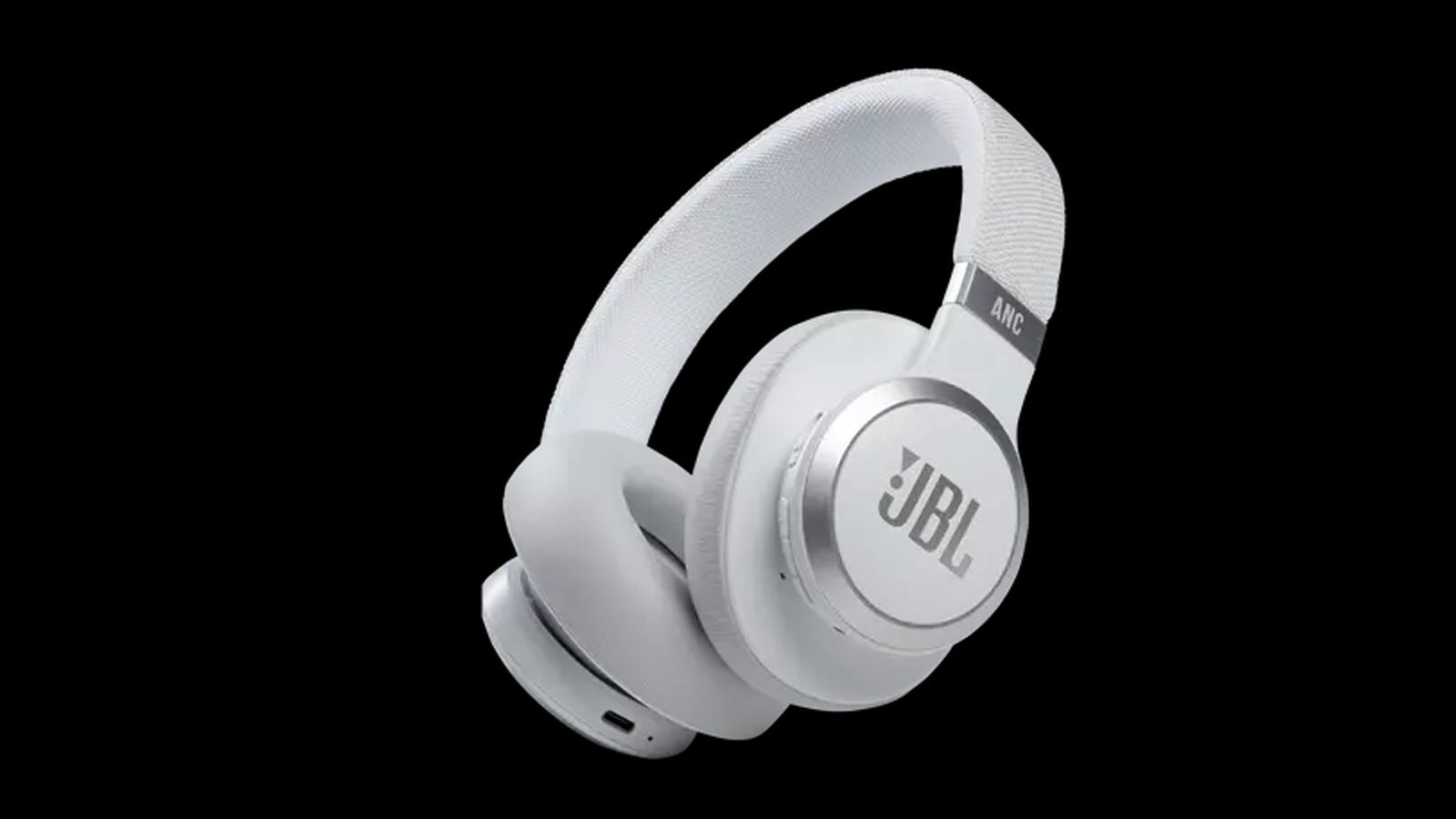
The XM6 is unambiguously the victor for pure music lovers, Android users, and those who value the strongest ANC on the market. Son yleMusic is the go-to for serious listening.JBL Flagship Tour Pro Series: The Powerhouse for Bass Lovers and Gym-Goers.JBL keeps on delivering in its characteristic commercial spectrum of the energetic and bass-driven sound now around the whole market with the Tour Pro 4 and other 2025 flagships focusing on punchy audio, battery life that lasts long, adequate ANC, and rugged durability that can take anything, before one even thinks of looking for it again.
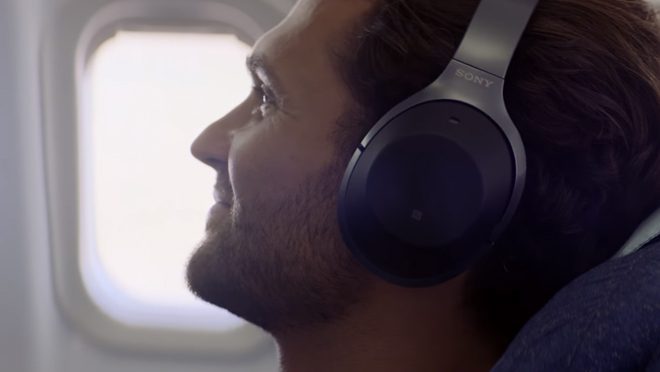
For its part, the JBL tuning gives us a profile that is very much alive. The bass goes very low and is very strong; the mids are warm, and the highs are bright but not sharp. Thus, the earbuds target, to a great extent, the users who are into EDM, hip-hop, Bollywood dancing songs, and bass-pop in general. They make music sound lively, energetic, and fun. The ANC has performed very well. It is not as good as Sony’s or Apple’s, but JBL still provides strong noise cancellation and reliable transparency modes.
The rugged build and resistance to sweat make JBL earbuds perfect for the gym, where durability is more important than subtle sound details.Battery life is one of JBL’s biggest trump cards. Many JBL TWS flagship models offer almost 10 hours of playtime per charge, even with ANC enabled. A large charging case complements this, so this earbud typically wins in real-world endurance against both Sony and Apple.
To state the main point of JBL, indeed, they sound great, but the problem with them is refinement. In most cases, their earbuds lack the subtlety and perfectly balanced tuning of higher-end brands. The sound signature, even though powerful, may be too much for the users who prefer neutral or analytical profiles.
Moreover, JBL does not provide the level of intelligence across the ecosystem that Apple does, nor the deep sound customization that Sony offers. However, if you are the type of users who want to have a strong bass, loud sound, excellent durability, and long battery life all at a competitive price, then JBL is one of the most economical choices in 2025.
Nothing Ear Series (Ear & Ear Pro): The Style Icons with Clean, Transparent Sound
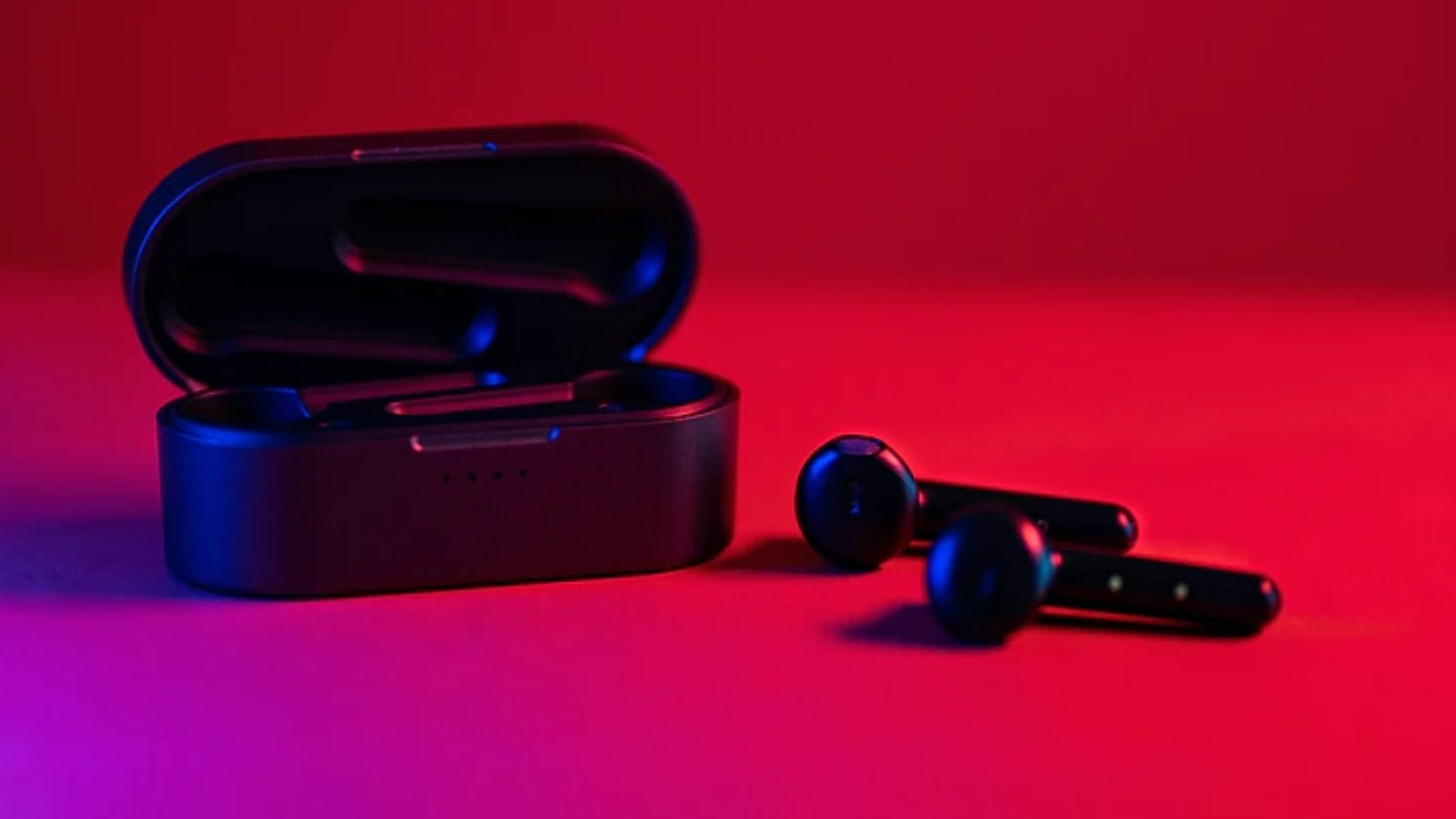
Nothing has focused more on design, clarity, and comfort in the TWS market, thereby creating a very distinctive place for itself. The transparent beauty, glyph-inspired packaging, and minimalist tuning concept make Nothing earbuds unique and easy to identify from others. Nothing’s 2025 Ear and Ear Pro models deliver immaculate, crisp, detail-oriented sound.
The tuning focuses on clarity rather than bass, thus making vocals more noticeable and enlivening the soundstage with an airy quality. Fans of indie, acoustic, classical, and ambient music often prefer Nothing’s cleaner profile to JBL’s much heavier, more saturated sound. The earbuds are super comfy.
The lightweight, ergonomic design prevents fatigue even during long listening sessions. Hence, Nothing becomes a desirable option for users who wear earbuds throughout the workday.ANC performance is good; the difference in the Ear Pro line is pretty much more noticeable than in previous models. Nothing’s algorithms are not trying to take the crown from Sony or Apple; instead, they preserve the natural listening experience without distortion or pressure buildup.
The software experience keeps getting better little by little. The Nothing X app gives users various options such as EQ adjustments, custom gestures, and adaptive modes. Moreover, the Nothing phones unlock additional advantages, such as low-latency gaming and extensive system gestures. The main downside is the inconsistency in the features across product categories. If you love bass, you might find the sound from Nothing a bit thin.
Noise cancellation is good but it is not the best in its class. And while battery life is not the best, it still falls short of JBL or Sony. Nothing has provided a bold identity that combines chic, stylish hardware, pure, honest sound, and comfortable design, offering a refreshing change from the usual run-of-the-mill designs.
Sound Quality Comparison: Four Different Philosophies
Each brand has its own way of presenting sound with a unique character.AirPods Pro 3 deliver a clear, intelligent sound that is perfect for both balanced listening and spatial experiences. Sony XM6 provides deep, rich, full-bodied sound with ample bass and wide staging.JBL delivers maximum energy and loudness, which is particularly appealing to bass lovers and gym-goers.
Nothing considers purity, detail, and openness as its criteria for lighter and more transparent listening. The distinctions among the different brands are what make the category alive and kicking. The issue is not about which earbuds are the best, but rather which sound signature best suits your personal taste.
ANC, Comfort, and Battery: Daily Experience Matters Most
Sony is still the king of ANC performance with the XM6, which delivers the best environmental noise blocking even in very loud environments. The AirPods Pro 3 are almost as good, but they have added intelligent adaptability. JBL takes third place with solid practicality. Nothing is more into natural sound than brute ANC power, thus they are in the “good enough” category. The degree of comfort varies not only across brands but also within brands. Nothing has the lightest design, so it is the winner, followed closely by the AirPods Pro 3. Sony’s size might be a little too large for some users, while JBL falls in the comfortable-but-bulkier range.
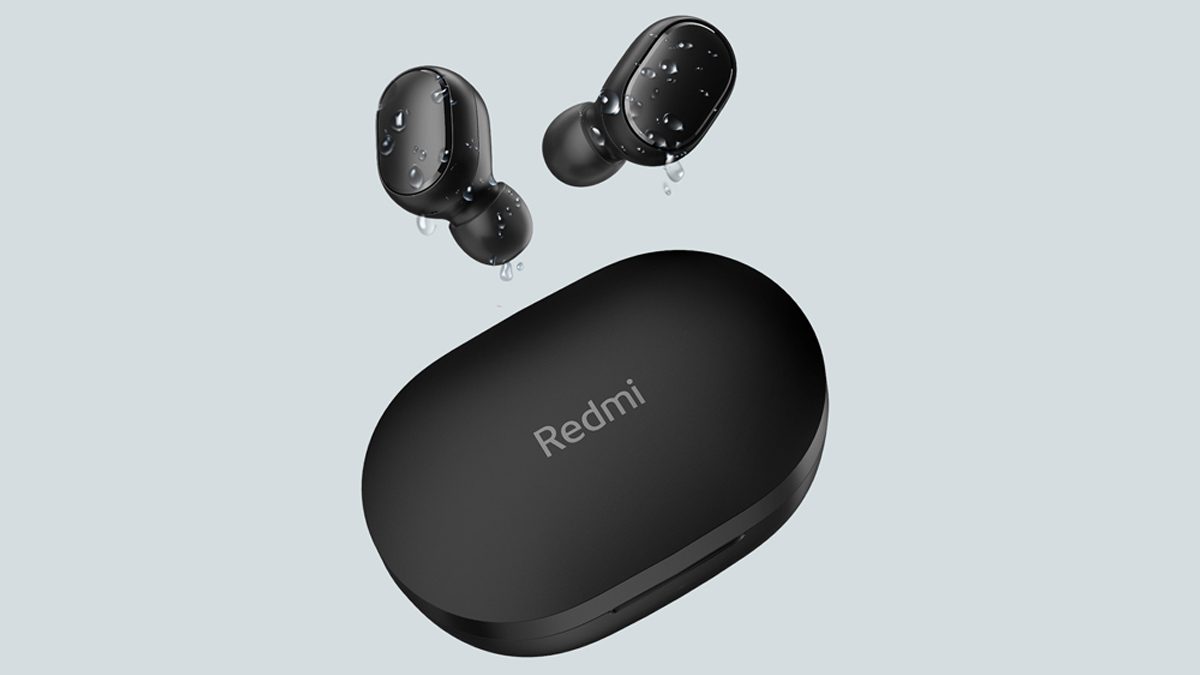
In terms of battery life, the best-performing brands are Sony and JBL, Apple is in the middle, and Nothing has the least battery life among the three.
Who Comes Out on Top Among Wireless Earbuds in 2025?
No single brand could be singled out, as each has a different listener persona.
The successor to the AirPods Pro 3 is the most intelligent and seamless Apple solution, delivering excellent sound, impressive AI capabilities, and spatial audio support.
The Sony XM6 is the winner of the epic battle between audiophiles and ANC users seeking the most immersive listening experience.
While JBL is a choice for bassheads, iCasters, and people who want a loud, energetic sound and a long battery life, it’s got a bit of everything. Minimalists, design and clean, voice-forward audio lovers will enjoy the Nothing Ear/Ear Pro.
By the year 2025, wireless earbuds will have become far more than just “left-right sound devices.” Instead, they have developed into intelligent companions, acoustic identity statements, and even wellness tools. Ultimately, picking the best one means choosing the sound and experience that resonates most with you.

Comments are closed.