
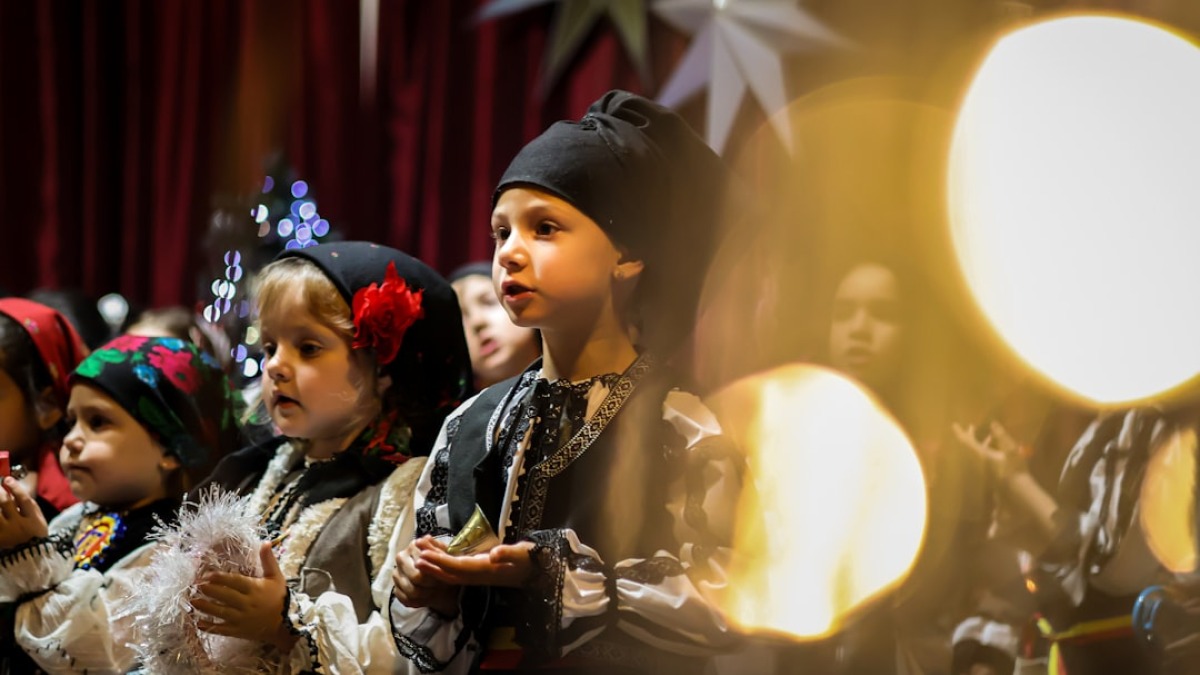

Why carolling remains popular during Christmas
Christmas carolling continues to hold a special place in festive celebrations, particularly across the United States and other Western countries. Despite changes in lifestyle, technology, and entertainment, the tradition of singing Christmas carols remains widely practised and appreciated. From neighbourhood gatherings to church events and public performances, carolling brings people together through shared music, community spirit, and seasonal joy.
The continued popularity of carolling reflects its deep historical roots, emotional impact, and ability to adapt to modern celebrations.
Historical roots of Christmas carolling
The tradition of Christmas carolling dates back several centuries. Originally, carols were not limited to religious settings but were festive songs sung during winter celebrations. Over time, these songs became closely associated with Christmas and Christian worship.
In Europe, organised carolling grew during the Middle Ages, when groups would sing door to door to spread festive cheer. This tradition later travelled to the United States, where it became part of community-based Christmas celebrations. The historical continuity of carolling helps explain its lasting appeal.
Community connection through carolling
One of the key reasons carolling remains popular is its ability to strengthen community bonds. Carolling is often a group activity, encouraging participation from people of all ages and backgrounds.
In neighbourhoods, schools, and churches, carolling events create opportunities for social interaction and shared experience. Singing together promotes a sense of belonging, making carolling a powerful expression of togetherness during the Christmas season.
Emotional impact of Christmas carols
Christmas carols are strongly associated with nostalgia and positive emotion. Many people grow up hearing the same songs year after year, creating deep emotional connections to the music.
Familiar melodies and lyrics often evoke memories of family gatherings, childhood traditions, and festive moments. This emotional resonance makes carolling a comforting and uplifting activity that continues to appeal across generations.
Religious significance of Christmas carolling
For many communities, carolling holds religious importance. Christmas carols often tell the story of the Nativity, celebrating themes of peace, hope, and goodwill.
Church-based carolling, including candlelight services and choir performances, remains a central part of Christmas worship. These events allow participants to reflect on the spiritual meaning of Christmas while sharing music with others.
Adaptation of carolling in modern times
Carolling has successfully adapted to modern lifestyles. In addition to traditional door-to-door singing, carolling now takes place in shopping centres, public squares, and organised charity events.
Digital platforms have also expanded carolling’s reach, with virtual choir performances and online broadcasts allowing wider participation. These adaptations ensure that the tradition remains accessible and relevant.
Carolling as a family and educational tradition
Carolling is often used as a way to introduce children to Christmas traditions. Schools and community groups organise carolling programmes that encourage confidence, teamwork, and cultural understanding.
Families also participate together, making carolling a shared activity that strengthens intergenerational connections and creates lasting memories.
Why carolling continues to thrive
Christmas carolling remains popular because it combines music, tradition, and human connection. It requires no special equipment, encourages inclusivity, and aligns closely with the values of the festive season.
As Christmas continues to evolve, carolling endures as a meaningful and joyful tradition that brings warmth, unity, and celebration to communities year after year.

Comments are closed.