
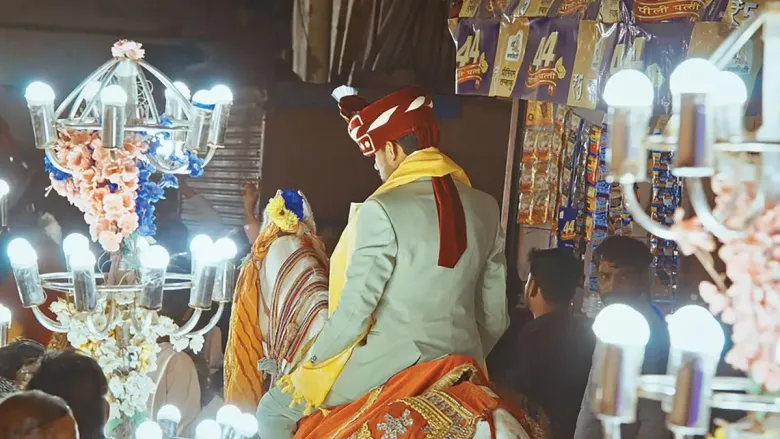

Rajasthani Royal Wedding: From Bollywood to common people are now preferring to get married in Rajasthani style. Jaipur and Udaipur here have become the biggest wedding destination hubs of the country. Along with this, people are also liking the Rajasthani wedding look.
India is considered a country of diversity. Every religion in the society here has different customs and traditions. The culture and tradition of Rajasthani weddings is very wonderful, due to which this marriage is considered one of the most prosperous and unique weddings of India. Rajasthani costumes are very attractive and colourful, which fascinates people. Traditional music and old customs in Rajasthani weddings make it special. This is the reason why nowadays Rajasthan has become a wedding destination, where big stars decide to get married here to make their wedding day memorable.
Rajasthani marriage is not just an event but is considered a symbol of traditional values, importance of relationships and cultural heritage. Every ritual of weddings here has a special meaning, which carries forward the traditions from generation to generation. In Rajasthan, some special rituals are performed before marriage, which include Tilak ceremony, Ganpati Sthapana and Mehfil ritual with Telban Dastur. Wedding rituals in Rajasthan last for 2 weeks. Let us know about the importance of Rajasthani wedding customs and traditional rituals.
tilak ceremony
Tilak ceremony is also called engagement. Nowadays, engagement ritual is being performed in every religion but in the weddings of Rajasthan, this ritual is performed in a different way. During this time, the bride’s family comes to the groom’s house and the bride’s brother applies tilak on the forehead of the groom.
And at this time the boy is given a sword along with clothes and sweets. The special thing is that only men participate in this ritual.
Thumb Puja and Ganpati Sthapana Thumb Puja
Symbolically connects the foundations of the families of the bride and groom. On behalf of the groom, the priest chants mantras and performs special prayers and puja for the foundation pillars of the bride’s house. This is why this ritual is known as Thumb Puja. After this ceremony and marriage
Ganpati installation is done at home a few days before. People here believe that Rajasthani weddings are not complete without the worship of Lord Ganesha. On the wedding day, the bride, groom and their respective families pray to Lord Ganesha to bring prosperity in everyone’s life.
Telban or Pitti Dastur
After the Tilak ceremony, the Telban Dastur ritual is performed, which we also commonly know as the Haldi ritual. In this, both the bride and the groom are involved and during this ritual, the bride and groom are made to sit on a wooden bench or bench and apply a paste made of sandalwood and turmeric. By applying this paste, the skin of both remains glowing. But after this ritual, both of them are prohibited from leaving the house.
gathering
The way Ladies Sangeet celebration is done in every wedding these days. Similarly, Rajasthanis hold a gathering in marriage, which takes place in the evening. In this, along with women, men also participate and have a lot of fun with dance and songs. Along with this, there is also a Mehndi ceremony, in which Mehndi is applied to the bride and her family. This ceremony is not only for the bride but also
It is also considered auspicious for the groom. It is necessary to apply mehendi.
sacred thread ceremony
In Rajasthani weddings, Janeu Sanskar is a special kind of ritual, in which the groom is made to wear the sacred thread a day before the wedding. This sanskar is considered one of the 16 sanskars of Hindu religion. Which in Hindu religion is considered a symbol of the groom fulfilling his religious and social responsibilities.
goes. During this, the groom is given initiation to follow the rules related to family tradition and religion.
Bhaat or Mamera customs
In this ceremony or custom, the bride’s maternal uncle brings gifts of clothes, jewelry etc. from his home for her and her family, which is seen as a blessing. Even the bride’s wedding attire is brought by the maternal uncle, which the bride wears during the seven rounds of the wedding.
Palla Dastur
Before the wedding day, the groom’s relatives bring gifts for the bride, which is called Palla Dastur. These include jewellery, clothes and accessories for the bride, which she wears during her wedding rituals.
Evacuation/Groom’s Procession
The ceremony of mounting the mare in Rajasthani weddings is worth seeing. The procession takes place with bands, music, dance and fireworks, which is a spectacular scene of celebration and enthusiasm.
gets to. After this, the bride’s family welcomes the wedding procession in a traditional manner, in which the groom is welcomed in a grand manner by performing aarti.
family tradition
This is one such ritual where people worship Goddess Parvati. An idol of the goddess is taken to the bride’s house and decorated with clothes and jewelery sent by the groom’s family.
Saptapadi or Phere
In Hindu marriage, the marriage is completed with seven rounds, but in Rajasthani weddings, the old tradition of taking not 7 but 8 rounds is going on, which continues even today. The eighth round held here is called Chhatri Ka Phera. It is believed that this phera ensures the long life of the bride and groom and their
The beach is a symbol of maintaining harmony and love. This eighth round makes Rajasthani weddings very special.
Farewell/Multiple Arrivals
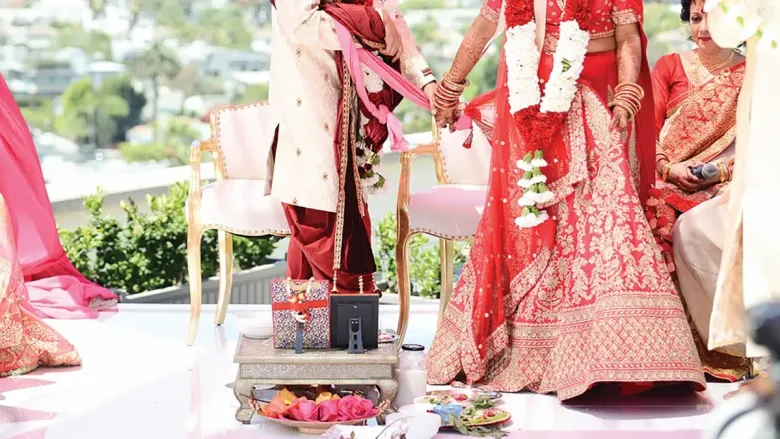
After the completion of the rounds, comes the farewell ceremony of the bride, which is the most emotional moment. This is the time when the bride says goodbye to her parents and her family. When the bride sits in the car, before the car starts moving, a coconut is placed under the wheel and the groom gives some piece of jewelry to his bride.
turning step
When the girl returns to her maternal home after some time of farewell, it is known as Pag Pherna. The Paag Phernaa ritual marks the daughter’s return to her parents’ home for the first time after her marriage. After the Pag Parhana ceremony, the bride has to go back to her in-laws’ house.
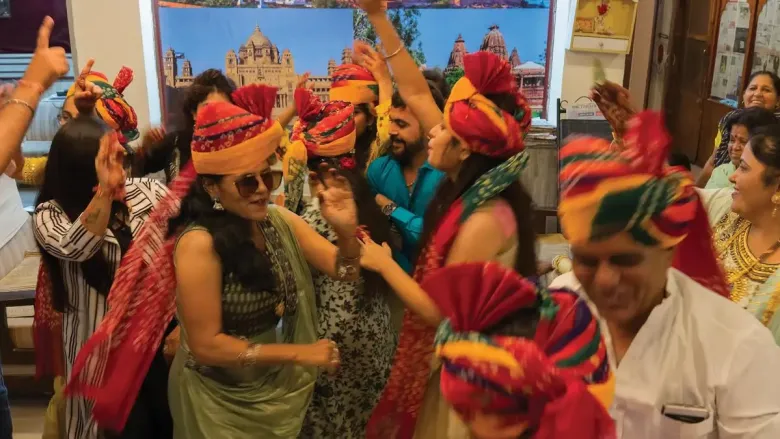
“The way Ladies Sangeet celebration is done in every wedding these days, in the same way, Rajasthanis do a gathering in the wedding, which takes place in the evening.”

Comments are closed.