
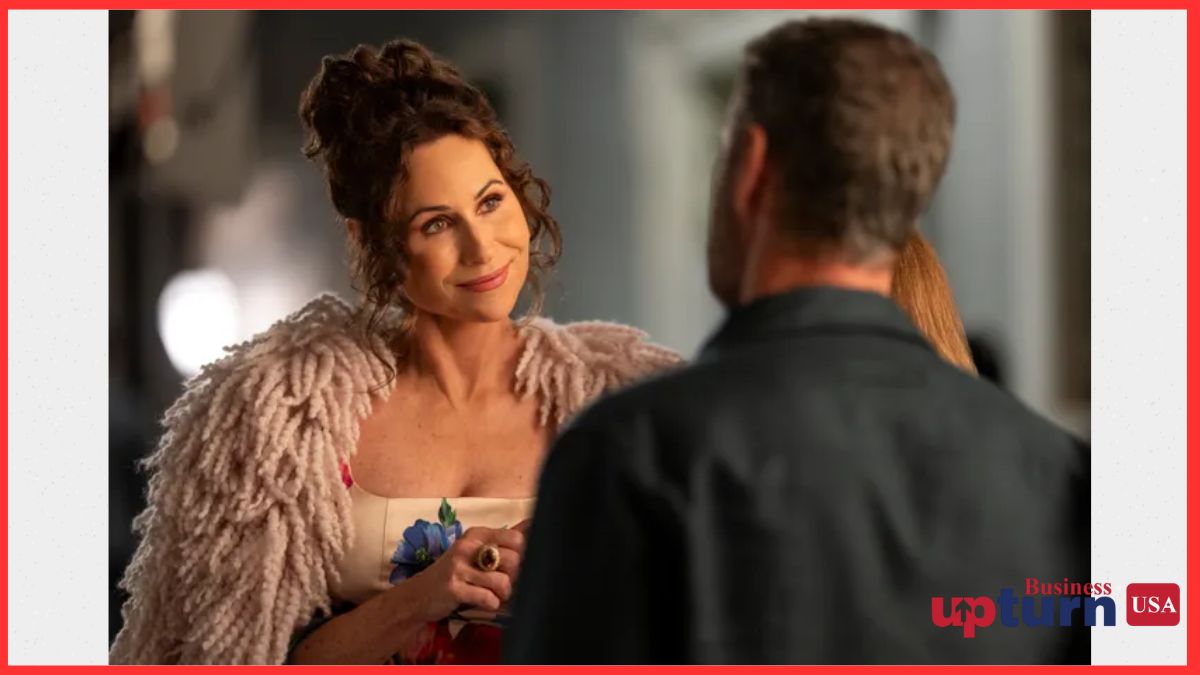
Emily in Paris’ Rome Reckoning: How One Influencer-Fueled Night Turned Paradise into a PR Disaster

The Rome chapter of Emily in Paris delivered one of the season’s most chaotic and revealing hours yet, and for U.S. viewers watching the glossy fantasy unfold, the episode felt like a sharp satire of influencer culture colliding with old-world ideals. What began as a triumphant brand launch ended as a cautionary tale about visibility, power, and the cost of attention in the digital age.
Muratori Paradiso and the American Idea of “Buzz at Any Cost”
Emily’s strategy to launch Muratori Paradiso with a tightly curated group of influencers reflected a very American marketing instinct: attention first, consequences later. From a U.S. viewer’s perspective, the logic was familiar—social media hype is currency—but the local resistance in Solitano added a layer of tension rarely explored so explicitly on the show. Marcello questioned the value of flying TikTok creators into a small town, revealing a disconnect not just between generations, but between cultures that value preservation versus expansion.
Emily patiently explained how influencer economies translate into sales, underscoring her evolution into a confident strategist. The plan worked, at least initially. Presales surged, fashion publications took notice, and Muratori’s visibility exploded. For a brief moment, it looked like Emily had cracked the code on blending Italian heritage with American marketing muscle.
Sylvie’s Creative Crisis and an Unexpected Power Shift
While Emily thrived, Sylvie unraveled. Her anxiety over a short film she refused to show anyone struck a relatable chord, especially for creatives who recognize the paralysis of perfectionism. From the U.S. audience’s standpoint, the role reversal was refreshing: Emily calm and composed, Sylvie combustible and vulnerable.
When the film finally screened at the Solitano event, the reaction was overwhelmingly positive. The twist, however, came with the realization that Giancarlo’s name, not Sylvie’s, was attached. Sylvie’s decision to fire him earlier returned to haunt her, highlighting the uncomfortable truth that creative credit and corporate politics often clash. The episode framed this not as villainy, but as an all-too-real industry reality.
Mindy, Alfie, and the Cost of Avoidance
Parallel to the business drama, Mindy’s insistence that her connection with Alfie meant nothing played like emotional denial in slow motion. U.S. viewers could sense the inevitable fallout, especially as secrecy replaced honesty. The show subtly suggested that avoidance, much like overexposure, carries its own price.
When Influencers Cross the Line: Solitano Becomes “Too Seen”
The episode’s most striking turn came after success. Overnight, Solitano transformed from sanctuary to spectacle. Influencer posts triggered a wave of tourism that overwhelmed the town, infuriated Antonia, and devastated the locals. Emily was bluntly told she had turned paradise into a theme park.
From an American lens, the message landed hard. The same tactics celebrated in U.S. marketing culture were shown as destructive when applied without restraint. Emily’s firing felt less like punishment and more like a moral reckoning.

Comments are closed.