


Highlights
- Smart doorbells now use facial recognition to deliver named alerts instead of generic motion warnings.
- Real-world accuracy depends heavily on lighting, distance, and face visibility.
- Privacy concerns grow as face data is more sensitive than standard video footage.
- Buyers increasingly prefer local storage and stronger data control over cloud reliance.
Smart doorbells have become a standard part of home security. At first, they were only simple cameras that showed who rang the bell. But now, brands are adding facial recognition so the doorbell can tell you exactly who is outside. It is both practical and contemporary, though it raises difficult questions about data and privacy.
This passage discusses the capabilities of the latest versions of facial recognition devices, their effectiveness in real-world situations, and how, as many begin to accept the services’ capabilities, people remain apprehensive about their use.
Why Facial Recognition Is Becoming Mainstream:
Facial recognition promises to make alerts more accurate. Instead of getting “motion detected” every time someone walks by, the doorbell can say, “A known person is at your door.”
For many families, this reduces confusion. Parents know when their kids are back. People living alone feel safer when they receive alerts with names rather than vague messages. And many users like that the doorbell becomes more personal and less noisy.
But to work like this, the doorbell needs to collect and analyze faces. This is where the first central question begins: when does too much become too much?
The most discussed models in 2025
Companies have begun releasing models with newer chips, upgraded cameras, and even more sophisticated AI; the following details the primary models discussed in 2025.
Google Nest Doorbell (2025 Update)
This updated version does more work on the device rather than sending everything to Google’s servers. The face alerts are quicker, and the camera does well even in low light. It still requires a subscription for long-term video history, but the basic recognition works with minimal cloud usage.
Ring Video Doorbell Pro 2 Plus
Ring focuses heavily on motion accuracy. The wide camera and radar help reduce false alerts. Face recognition is faster now, but people still question Ring because of old reports about police access to video clips. Ring has added more privacy settings, but some users want even stronger control.
Arlo A500 Doorbell
Arlo offers good video quality and local storage options. Most face data stays inside the base station, which many users like because it lowers privacy risks. The setup is more aesthetically complicated because it requires a hub; however, once you do get it set up, everything works perfectly.
Eufy Video Doorbell 2K S4
The underlying models process face information on-device. There are no ongoing monthly plans associated with this model; hence, people will like it. The daytime video is sharp and clear, but the evening video or profiling variables, such as light and/or color conditions, will affect accuracy.
How accurate is facial recognition in the real world?
Companies always use the phrase “highly accurate,” however, in real-world use, it tells a different story.
When It Works Well
The person stands close to the camera. Lighting is normal. The face is clear and uncovered. In these situations, most doorbells perform well. Alerts are correct, and delays are minimal.
When It Struggles
This happens more often than brands admit:
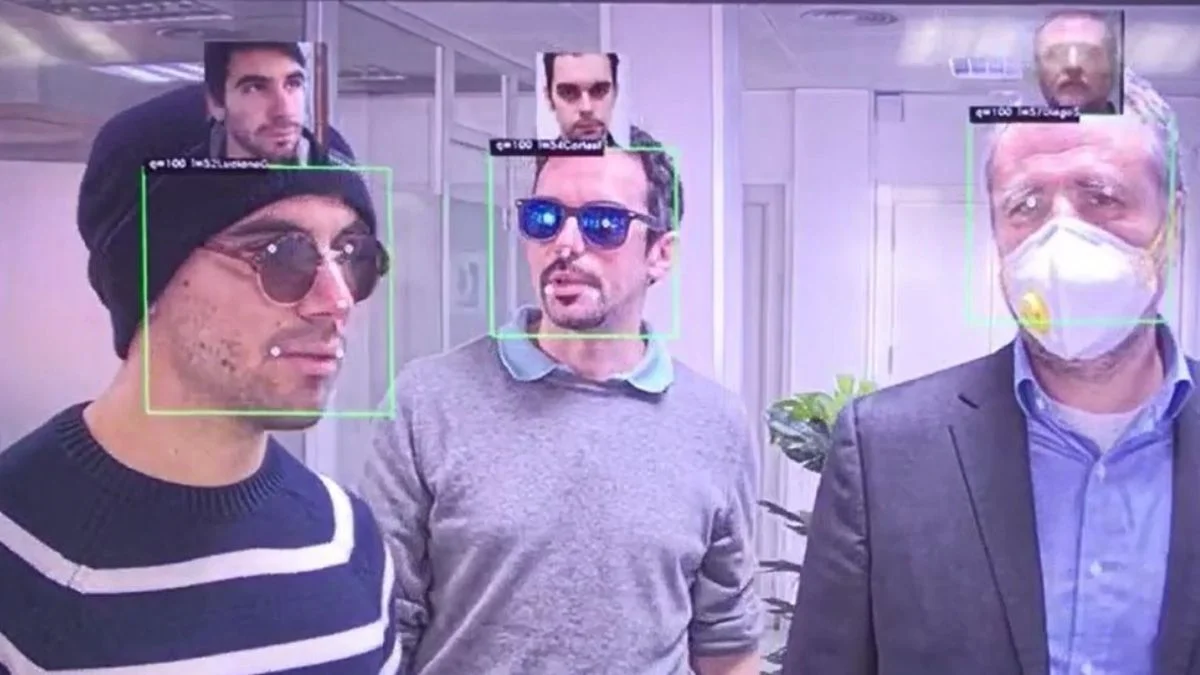
- Someone wears a cap, mask, or sunglasses
- The person stands far from the camera.
- The porch is dark, or the sun is behind the person
- The angle is too high or too low
In these cases, doorbells miss faces or mislabel them. None of the popular models is “perfect” yet.
Why Privacy Has Become the Main Issue
A standard camera records video. A facial recognition camera collects data about a person’s identity. This changes everything.
A visitor may not even know their face is being scanned. A neighbor walking past might get recorded many times. Delivery workers may get logged every day without being asked.
People are worried because this type of data is more sensitive than usual video footage. If someone gets access to face data, it can be misused in ways that normal video cannot.
The other big concern is that companies may store this data for longer than needed or use it for more than performance improvement.
Cloud vs Local Storage: Why It Matters
This is one of the most critical parts of choosing a doorbell.
Cloud Storage
Some brands send video and face data to company servers.
Pros:
- Better accuracy
- Faster updates
Concerns:
- More exposure to data leaks
- Unknown retention time
- Possibility of data sharing
Local Storage
Some doorbells save everything in the device or in a small base station.
Pros:
- Better control
- Lower privacy risk
Cons:
- Sometimes slower recognition
- Fewer smart features
People who are serious about privacy often prefer local-only devices because nothing leaves the house unless they choose to share it.
The Worry Around Data Sharing
People became more alert after hearing that some brands had shared video footage with law enforcement without explicit user permission. Even when done legally, it shocked users because they never expected their private home footage to be shared that easily.
Now imagine this with facial recognition data. It is not just a video; it is a record of who visited and when. This is why many users demand stricter, more straightforward rules. They want clear answers, not long, hard-to-read privacy policies.
How These Doorbells Help in Daily Life
Privacy concerns are real, but the practical benefits are real and noteworthy as well. Many households depend on these small advantages.
Keeping Track of Deliveries
The doorbell alerts you when a package arrives. Some models can even recognize the delivery person you regularly see.
Knowing When Family Comes Home
You get instant alerts when your kids or relatives reach home. For working parents, this brings peace of mind.
Identifying Unknown Visitors
The system highlights strangers quickly. This helps people react faster, especially at night or when alone.
These small day-to-day moments are what make the feature popular despite the worries.
The Problem of Recording Too Much
Smart doorbells often cover more area than expected. They may record:
- The shared walkway
- The neighbor’s door
- The public footpath
- People who are not visiting your home
Most visitors do not know their faces might be scanned. This creates an ethical problem. You may not intend to record others, but the device does it by default. Experts say this is where clear rules are needed.
What Buyers Should Check Before Choosing a Doorbell
A good purchase decision depends on a few simple but essential points.
Data Control
Can you delete face data anytime? Can you turn off cloud upload?
Subscription Plan
Some features work only with paid plans. Make sure the basics work without a subscription if that is important to you.
Recording Zones
A good doorbell allows you to crop the view so you don’t record public areas.
Transparency
Some brands share reports about how often they give footage to law enforcement. This transparency builds trust.
The Push for Clear Rules
Government and privacy advocates are working on new laws governing facial recognition-enabled devices. Nothing is fully drafted or published yet, but the direction is already clear.
Face data may soon require stronger protection, akin to that for fingerprints. Companies may need to obtain permission before recording visitors’ faces. Users may need access to simple settings instead of long dashboards.
Brands are already preparing by improving local storage and giving users more control.
What the Future Looks Like
Facial recognition will likely remain and continue to improve. AI will get faster and better at understanding faces in low light. Doorbells may rely more on local processing so that users don’t depend on cloud servers.
People will expect more precise answers about what happens to their data. The companies that offer complete control and simple settings will gain more trust.
A Safe Way to Use These Devices Today
The best approach is to use facial recognition in a limited and controlled way.
- Add only trusted people to the face list.
- Turn off wide-angle recording if it covers public areas.
- Check stored data once in a while
- Keep cloud uploads off if you don’t want external storage.
- Use clear detection zones.
This way, you get the benefits without creating an unwanted surveillance setup.
Final Wrap
Smart doorbells with facial recognition are convenient for everyday life and provide an added layer of security. But they also raise legitimate concerns about what they capture, where information is stored, and who can access it.
The best choice for users is a device that provides spatial control over storage, notifications, and facial data. When used with care, these doorbells can be helpful without crossing personal boundaries.

Comments are closed.