
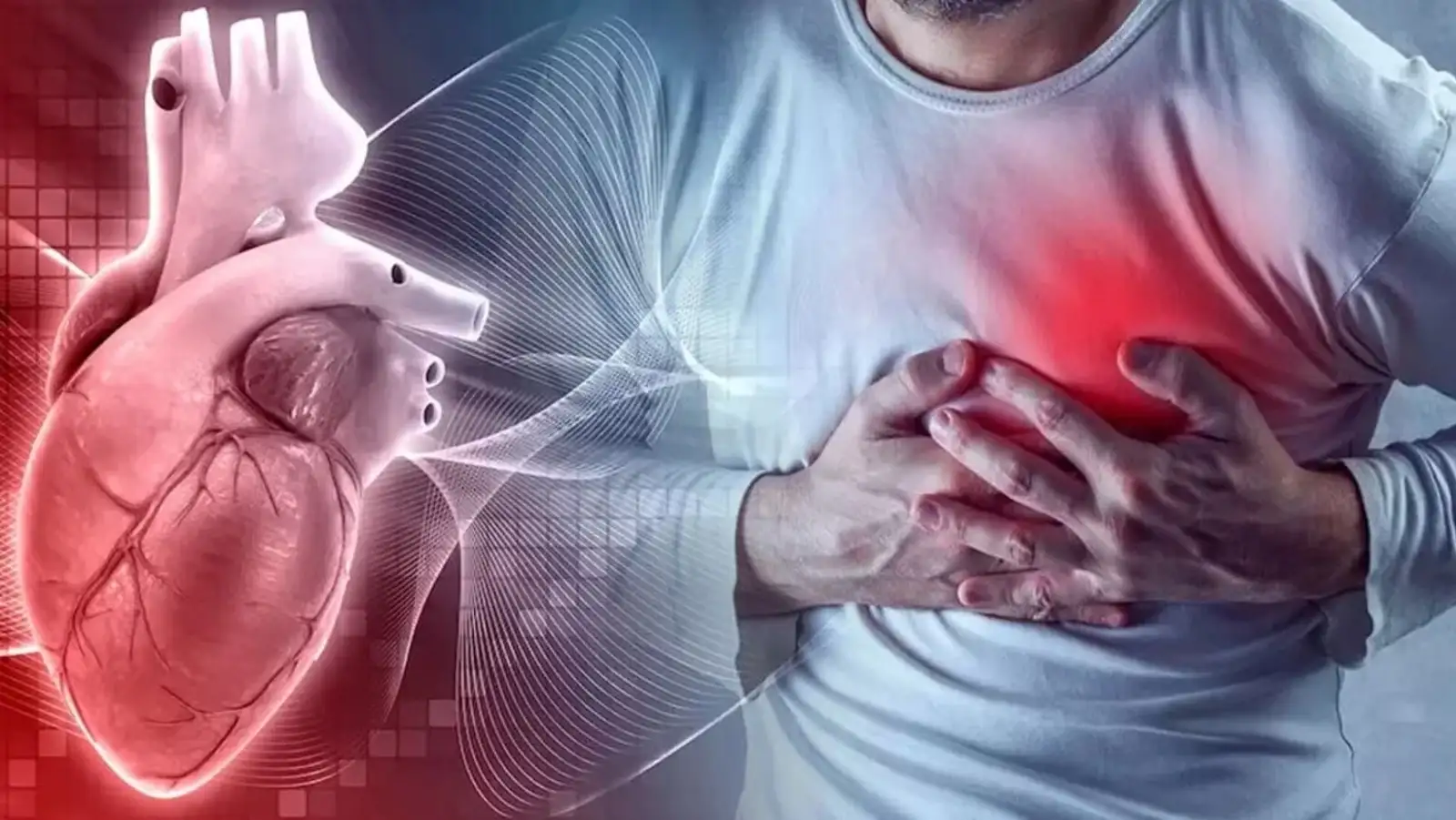
Heart Attack Alert: Why are there more heart attacks in the morning in winter? Know effective ways to avoid this

There is cold weather in many parts of the country right now. This winter season brings with it many diseases, but it also increases the risk of heart attack. In many cases, attacks occur in the morning. Some people are not even able to recognize the symptoms. Let us know why attacks are more common in the morning and how they can be avoided. Dr. Tarun Kumar, Associate Director, Cardiology Department, Moolchand Medcity Hospital, Delhi, says that the temperature is low in winter. Due to this the blood vessels of the heart shrink. Blood pressure also increases in the morning. This puts pressure on the heart. In some cases, blood clots may also form. High blood pressure and increased pressure increase the risk of plaque bursting in the arteries of the heart, which can lead to heart attack.
Mahindra’s new SUV will compete with Creta and will also compete with Tata Sierra
In the morning, the levels of stress hormones like cortisol and adrenaline increase in the body. This can also increase heart beat. People who already have plaque deposits in their heart arteries are at higher risk of heart attack.
Who is at greater risk?
Dr. Kumar explains that people who already have high blood pressure, high cholesterol and diabetes are at greater risk. Such people need to take special care of their heart health in winter. It is important for these people to keep their blood pressure, cholesterol and diabetes under control. It is also important to be aware of the symptoms of heart attack. What are the symptoms of heart attack?
Chest pain
chest heaviness
Pain persists even after taking antacids
chest pain spreading to left arm
difficulty breathing
pain in left side of jaw
How to avoid heart attack:
Keep yourself warm: Avoid direct exposure to cold air and wear appropriate clothing.
Do light exercise inside the house.
Eat heart-healthy foods like fruits, vegetables, whole grains and lean proteins.
Check your blood pressure, cholesterol and blood sugar levels regularly.
If you experience chest pain or unusual fatigue during the winter months, consult a doctor immediately.
Share this story

Comments are closed.