

Highlights
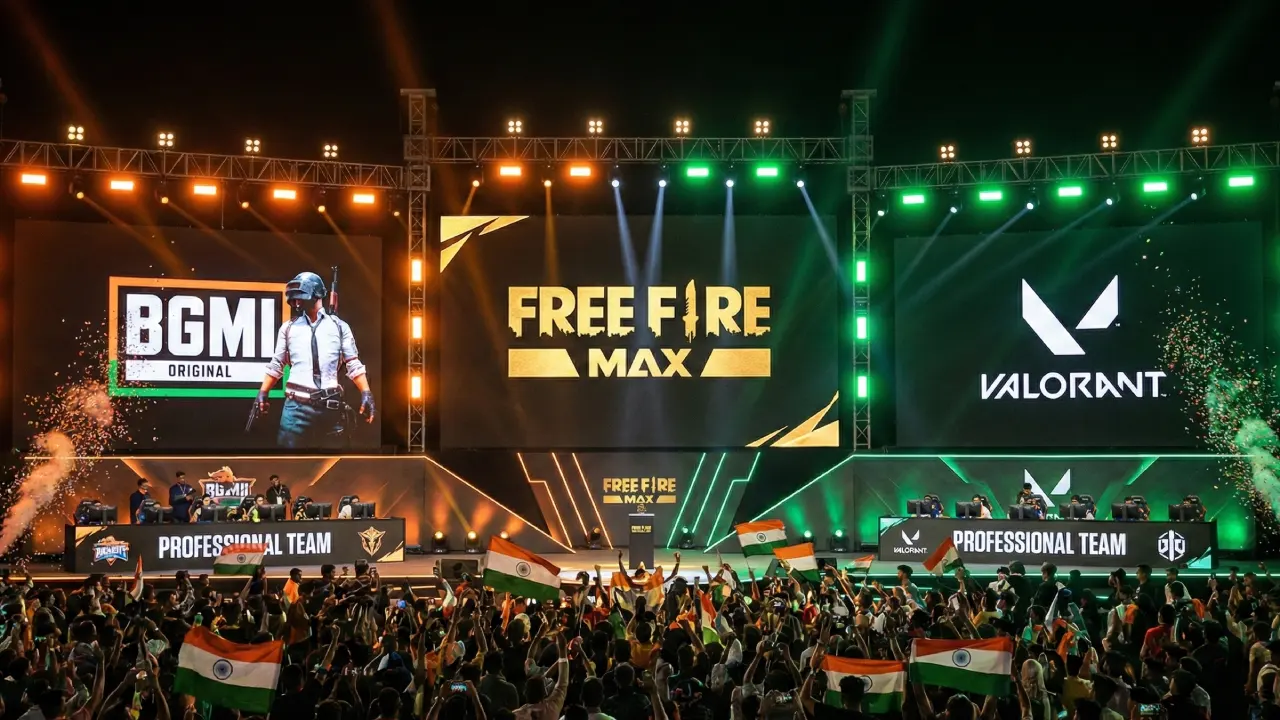
- BGMI, Valorant, and Free Fire MAX collectively powered India’s rapid rise in esports across mobile, PC, and grassroots levels.
- Esports has built a thriving professional workforce—from players to analysts, creators, and production experts.
- College leagues and community tournaments pushed esports into India’s mainstream competitive culture.
- India’s esports ecosystem now mirrors traditional sports in terms of opportunities, scale, and cultural acceptance.
The Esports Growth journey over the past 3 years has been nothing but incredible. It has literally gone from a hobby for a few to a lifestyle for the masses in the entertainment market. Games like BGMI, Valorant, and Free Fire MAX are now widely known, with significant events attracting millions of spectators. Moreover, colleges in India have set up competitive leagues featuring esports players who receive as much attention as winners of traditional sports.
The speed of this change reflects the gradual acceptance of gaming as a valid form of competition, the professionalisation of tournament setup, the increase in affordable mobile internet access, and the total transformation of gaming culture. To understand the significance of this growth, one must consider the contributions of game design, community ecosystems, and institutional support that enabled esports to ascend so rapidly.
No other game in the history of Indian esports has had as strong an influence as BGMI. The reason for its huge player base was not only its status as a battle royale game, but also its unique cultural positioning, which made it an experience that was both accessible and highly competitive. India’s first mobile game rewards players with quick decision-making, situational awareness, and team coordination. Such rapid player base growth brought along a whole new generation of young contenders who learned their skills on mobile rather than on PC or console.
Valorant and the Rise of PC Esports in India
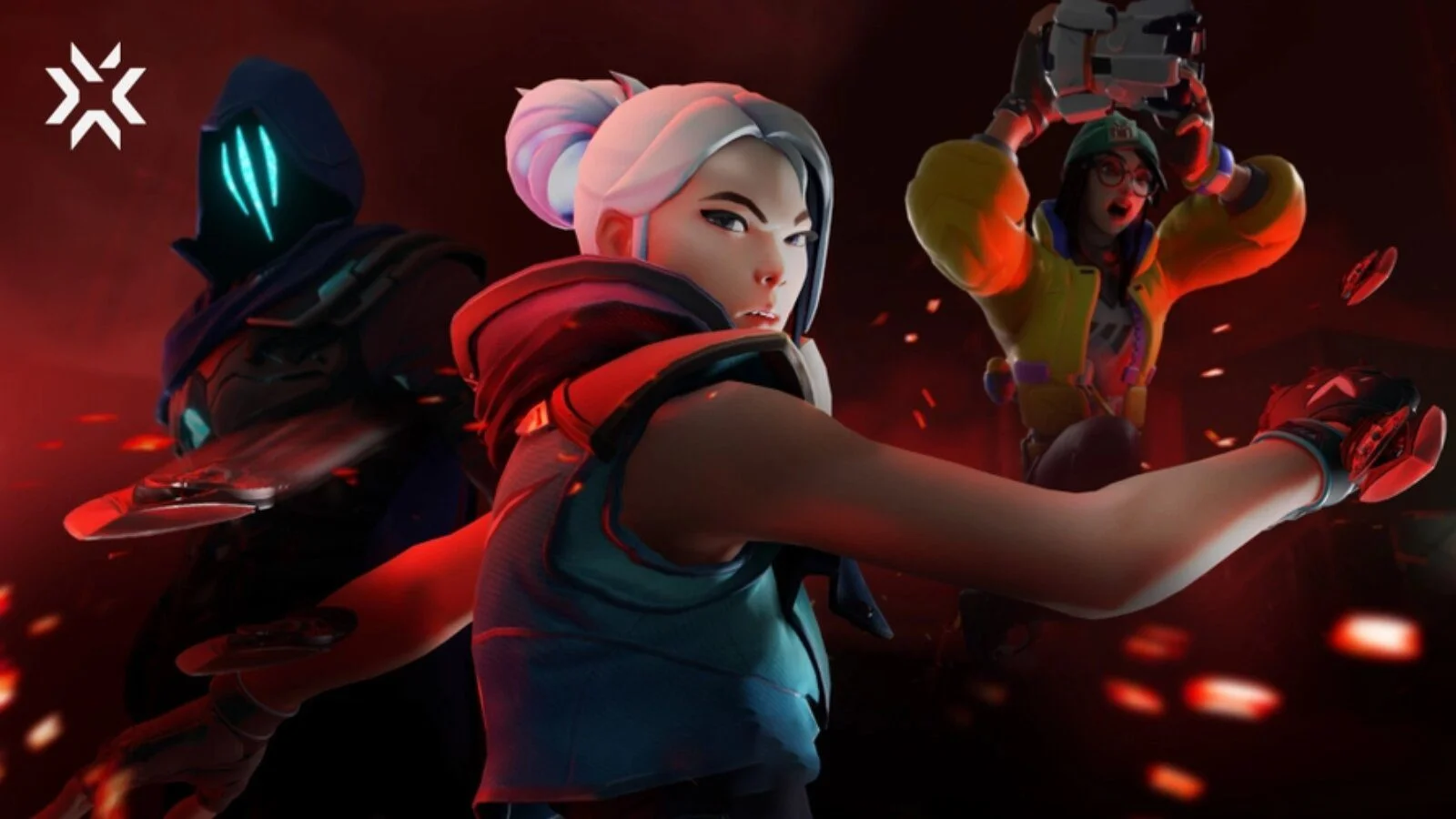
Mobile esports are dominant in India, but the rise of Valorant has led to the development of a parallel PC ecosystem, which, though a bit shallow, still has its place in the Indian competitive scene. The design philosophy of Valorant, precise shooting skills coupled with strategic ability usage, has engaged young players, leaving the likes of CS: GO behind and migrating to Valorant. The game’s tactical depth also requires team formation and planning, making it a perfect match for competitive structures that need organisation.
The launch of Valorant in India has also accelerated the infrastructure improvements. There was a revival in PC gaming cafés, and the gaming arenas transformed. In addition, the organisers were busy planning and running high-quality LAN tournaments, while the players participated in the international qualifiers with greater confidence than before. Riot Games was the backbone of this expansion, offering regional tournaments and college-based activities that made South Asia a rising star in the global Valorant scene. Even though PC gaming is still pricier than mobile gaming, Valorant has won over a dedicated and growing competitive community, which, in turn, helps India be more seen and heard in the global esports dialogue.
Free Fire MAX and the Democratisation of Competition
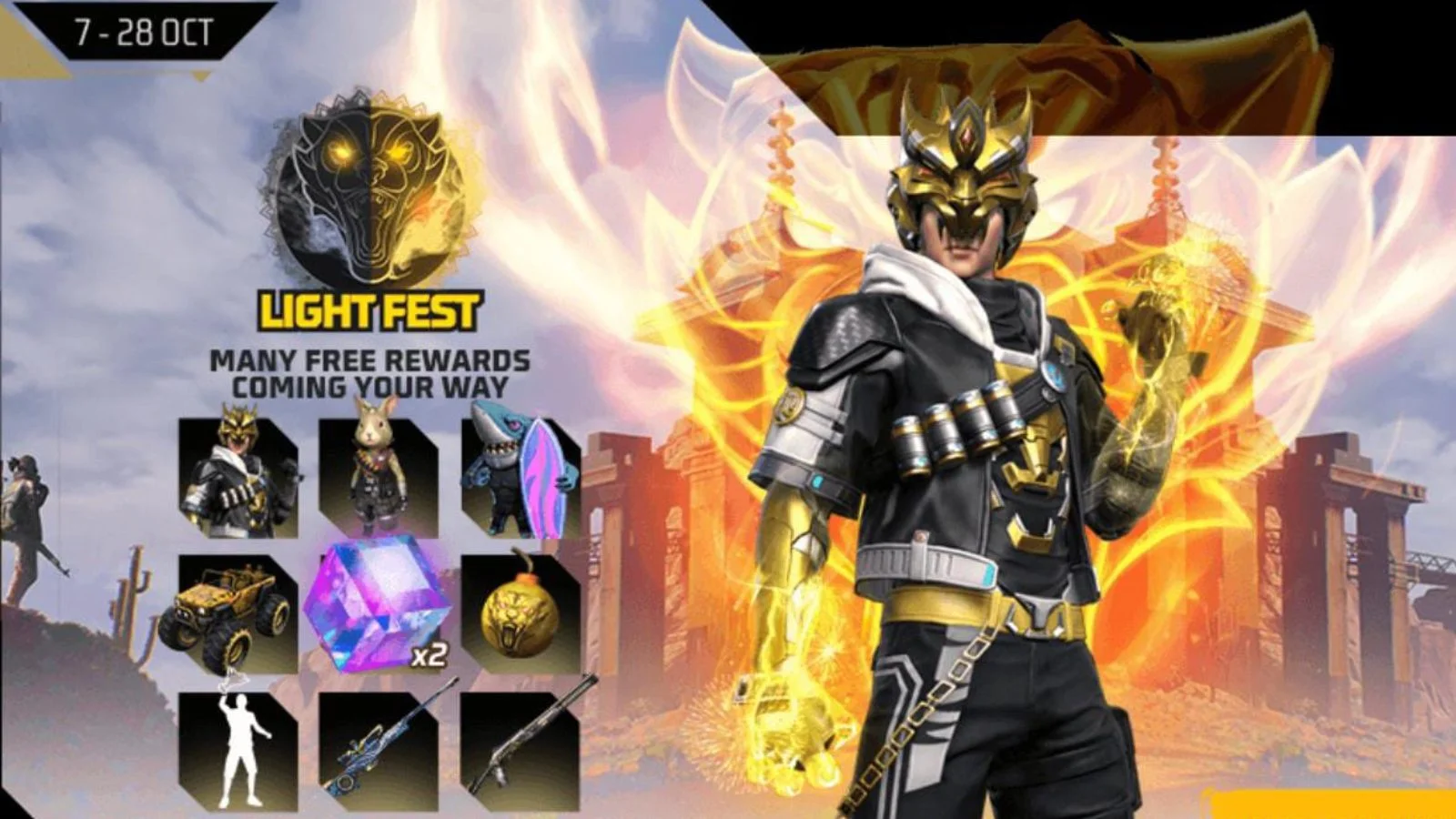
Among all the games, Free Fire MAX has the most diverse role in the esports ecosystem. Its fast-paced nature, combined with low-end device optimisation, made it accessible to communities that other games could not even imagine. The player base, in terms of diversity, is deeply mixed and is present not only in the big cities but also in the small towns. The game continues to have strong cultural acceptance, and, to a great extent, it is still the competitive circuit that is passionate about it that drives this acceptance, even though the game has been experiencing regulatory troubles.
One of the main features of the game’s esports structure is giving birth to the local and regional tournaments where amateur teams compete with each other and, at the same tim,e are recognised and thus get closer to the professional world of gaming. The influencers and content creators have played a significant role not only in making the teams attractive but also in giving them a sense of identity, thereby creating a huge fan base and diverse pathways for kids who want to become professional gamers.
Economic Growth and the Emerging Esports Workforce
The rapid growth of esports has been highly advantageous to the industry, driving the development of a range of support services. The universe of esports is full of people, including professional gamers, competition organisers, and other industry actors such as casters, analysts, coaches, production specialists, social media strategists, editors, talent managers, and marketing professionals. All these different kinds of professionals, along with the players and the organisers, constitute the workforce that is coming up slowly but surely in the esports secto,r which is now becoming commercial and capable of providing a variety of job opportunities that can last long.
Esports has become a brand that every company wants to be associated with, as its target audience is constantly young, engaged, and culturally and technologically savvy. The synergy created by this interaction benefits the entire commercial ecosystem, comprising advertising revenue, merchandise sales, in-game spending, and sponsorship agreements, which collectively constitute the financial backbone of competitive gaming. In this way, as the economy stabilises, it continues to attract more organisations to the space, creating a positive feedback loop for the sector’s growth.
A Mainstream Athletic Culture Emerges
Esports has also gained widespread acceptance in the most challenging way, through the culture. Parents, educators, and policymakers who had previously been doubtful about gaming skills eventually realised that success in competition requires skill, discipline, and, above all, strategic intelligence. The opening of coaching centres, fitness programs tailored for esports players, and the engagement of sports science practitioners are just indications of this growing awareness of the marriage of physical and mental aspects necessary for the highest level of competition.
The culture shift implies that esports will not be a fad that goes away easily. It is becoming a stable part of youth culture, a legitimate form of entertainment, and a developing competitive discipline. Underdog teams, rivalries, heroic plays, and championship victories are among the major themes around which the narratives of esports and the audience’s emotional stakes are built. And these are not different from the emotions traditionally associated with sports among the audiences.

Conclusion: A Three-Year Transformation that Reshaped Indian Gaming
The past three years have completely changed the face of the Indian esports scene. BGMI brought mobile esports back and redefined its dominance, Valorant laid a solid foundation for PC competition, and Free Fire MAX made participation easier for diverse communities. Professional tournaments and college leagues were the means through which talent was created, while the culture of streaming kept the audience continuously engaged.

Comments are closed.