
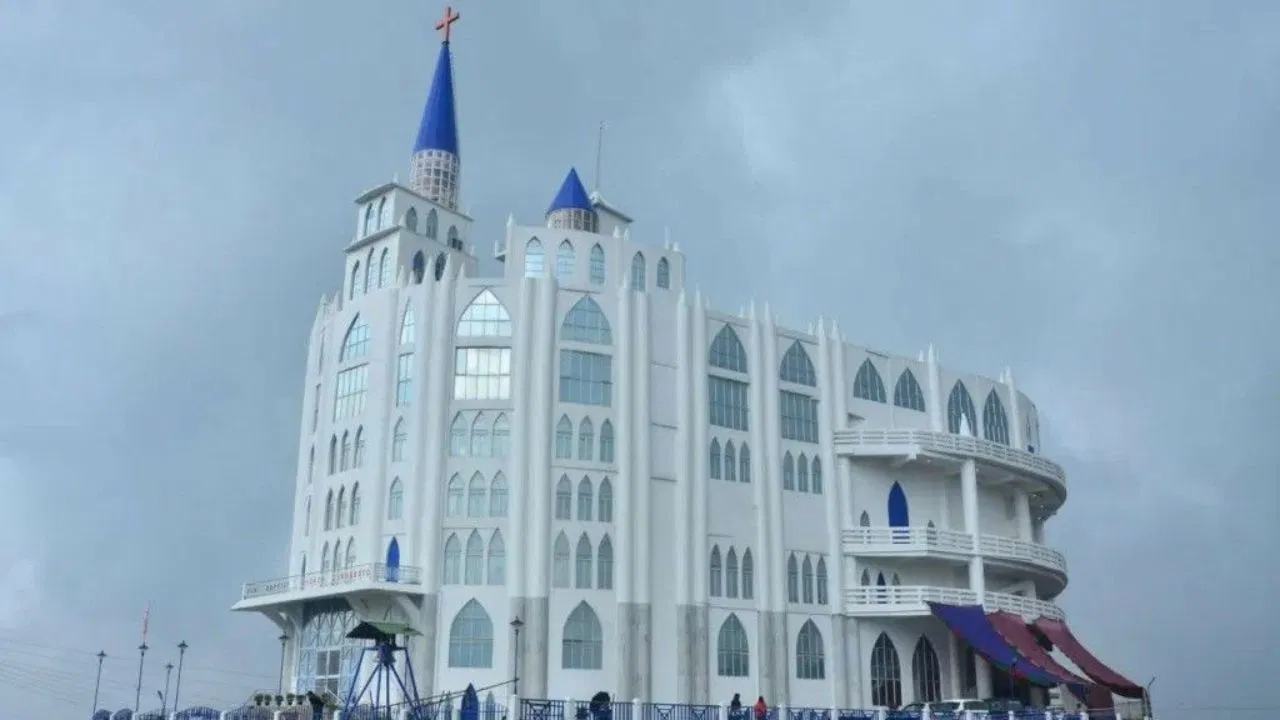

New Delhi: Sümi Baptist Church in Nagaland’s Zünheboto is widely recognised as one of Asia’s largest church buildings and a defining landmark of the state. Dominating the town’s skyline, the massive structure reflects the strong Christian faith of the Sümi community, for whom the church is both a spiritual centre and a cultural symbol. Its scale, design, and visibility from surrounding villages make it a key attraction for travellers exploring lesser-known destinations in Northeast India.
Beyond its religious importance, the church has become a point of interest for architecture lovers and tourists curious about Nagaland’s identity. A visit here often opens the door to understanding local traditions, scenic landscapes, and experiences that extend well beyond the church walls. Here are the key features and other important aspects of the church.
Key features of Sümi Baptist Church
1. Asia’s largest church in Nagaland
The Sümi Baptist Church is known for its vast seating capacity of over 8,000 people, making it one of the largest church structures in Asia. The building features a striking blue dome, white turrets, and a grand façade that stands out against the hilly landscape of Zünheboto. A large imported brass bell and modern interiors further add to its visual and cultural significance.
2. Modern architecture with seismic safety
Designed by architect Honoholi K Chishi-Zhimomi of Akitektura, the church blends scale with safety. Nagaland falls in a high seismic zone, and the structure has been engineered to withstand earthquakes. This focus on safety, combined with contemporary construction techniques, makes the church a notable example of modern engineering in the region.
3. Cultural heart of the Sümi community
Zünheboto is the heartland of the Sümi tribe, known for its strong community bonds and historical warrior traditions. The church serves as a gathering space during major religious events and festivals. Visitors may also explore local homestays, cultural programmes, and everyday life to gain deeper insight into Sümi customs and values.
Places to explore around Zünheboto
1. Ghosu Bird Sanctuary

Located just outside Zünheboto town, Ghosu Bird Sanctuary is a quiet retreat for nature lovers and birdwatchers. The area is home to several native and migratory bird species and is ideal for slow walks amid forest cover. Early mornings are best for spotting birds and enjoying the calm surroundings.
2. Sümi culture and village life
Zünheboto is the cultural heart of the Sümi tribe, historically known as skilled warriors. Travellers can look for local festivals, village visits, or homestays to experience traditional lifestyles, community gatherings, and martial heritage that continue to shape the region’s identity.
3. Khonoma Green Village

Situated in Kohima district, Khonoma is recognised as India’s first green village. The village is known for conservation-driven living, terraced fields, and scenic views. It offers an insightful contrast to urban travel and showcases how tradition and sustainability coexist.
4. Dzukou Valley

A little farther from Zünheboto, Dzukou Valley is a must-visit for its sweeping landscapes and seasonal blooms. The valley is especially popular during flowering months when rare plants cover the meadows. Trekking routes here reward visitors with expansive views and fresh mountain air.
5. Kohima War Cemetery

Located in Nagaland’s capital, the Kohima War Cemetery is a significant historical site linked to World War II. The memorial honours soldiers who lost their lives during the Battle of Kohima and offers a solemn, reflective experience for visitors.
6. Kachari Ruins, Dimapur
The Kachari Ruins in Dimapur provide a glimpse into Nagaland’s ancient past. Scattered stone pillars and archaeological remains reflect the region’s early civilisation and are a worthwhile stop for travellers interested in history and heritage.
How to reach Sümi Baptist Church
Zünheboto town is well connected by road within Nagaland. Visitors can hire rental cars or local taxis from nearby towns and cities to reach the Sümi Baptist Church. Once in Zünheboto, the church is easily accessible and visible from many parts of the town.
Sümi Baptist Church is more than a place of worship; it is a landmark that reflects Nagaland’s faith, resilience, and evolving identity. For travellers seeking meaningful destinations in Northeast India, Zünheboto offers a blend of architecture, culture, and nature that leaves a lasting impression.

Comments are closed.